💧
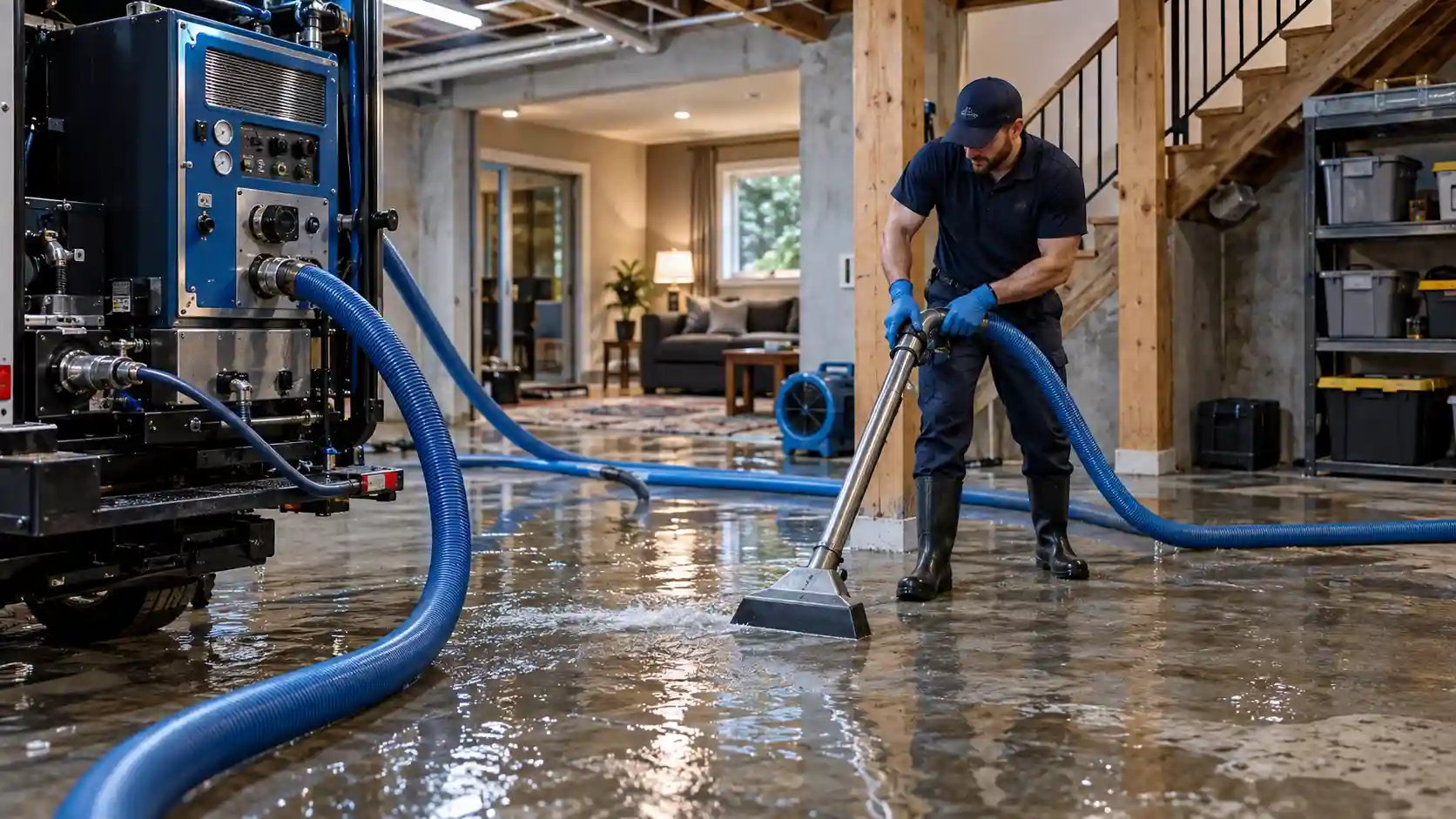
Water Removal & Extraction
High-capacity truck-mounted and portable extraction units clear standing water fast from flooded basements, crawl spaces, and commercial floors.
View Details →Certified Stachybotrys Removal · 30-Minute Response · Independent Clearance Testing
Found dark, slimy black growth on your drywall, ceiling, or in the crawl space? Black mold isn't something to wipe away and hope — toxic Stachybotrys chartarum releases mycotoxins that put your family's health at real risk, and disturbing it without containment spreads spores through your whole home.
RapidDry Restoration Seattle delivers certified black mold removal across Seattle — with a 30-minute emergency response, full containment, air and surface testing, and independent third-party clearance testing so you get verified proof the mold is gone. We don't just remove it. We fix the moisture feeding it, so it doesn't come back.
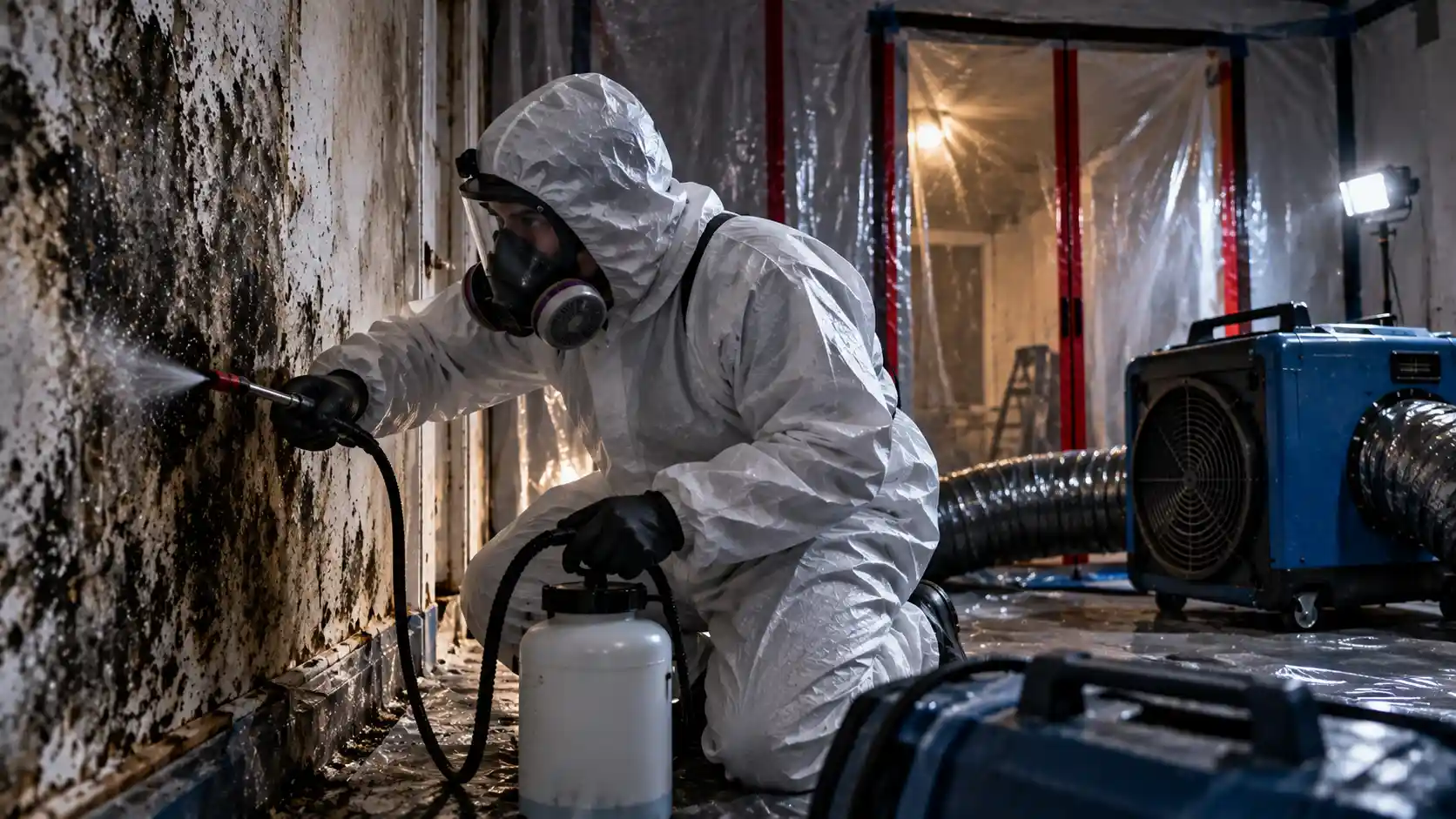
Black mold is the one every homeowner fears — and for good reason. But handling it right takes more than a spray bottle and a rag. It takes containment, HEPA filtration, safe removal, moisture-source correction, and lab-verified clearance. That's exactly what our AMRT-certified crews deliver.
Black mold needs one thing above all: a continuous source of moisture soaking cellulose-based material like drywall and wood. And Seattle hands it over — 37-plus inches of annual rainfall, Puget Sound humidity that pushes indoor levels above the 60% mold threshold, damp crawl spaces, and the region's classic fault: bathroom exhaust fans vented into attics instead of through the roof, dumping humid air onto cold sheathing for years. Older pre-war and mid-century homes with porous materials and dated moisture barriers are especially vulnerable.
RapidDry dispatches AMRT-certified crews in 30 minutes across Seattle — the fastest black mold response in the market — with the containment systems, HEPA equipment, and independent lab testing to remove it safely and prove it's gone.
"Black mold" usually refers to Stachybotrys chartarum — a dark, slow-growing, toxigenic mold that can produce mycotoxins under the right conditions. It takes weeks or months to establish, needs a continuous water source, and feeds on wet cellulose material like drywall, wood, and insulation. It often appears as a black, slimy or smeary mess, frequently with a pungent, musty odor — and it's usually well hidden.
Here's what most people get wrong: not all black-colored mold is toxic Stachybotrys. The black, furry growth on crawl space wood is often Cladosporium — mildly toxic, still needs removal, but not the same threat. True Stachybotrys is the black, smeary, well-hidden one that demands professional containment. The only way to confirm the species is lab testing — you cannot tell by looking.
Watch for these signs:
⚠️ Don't try to self-diagnose from Google images or disturb the growth. Multiple mold species can grow in one property with different risks. A certified assessment and lab test is the only reliable way to know what you're dealing with.
When toxic Stachybotrys is present, it can release mycotoxins into the air you breathe — and the longer you're exposed, the more sensitive you become, with symptoms getting progressively worse. This is why black mold isn't a "deal with it later" problem.
Common symptoms linked to black mold exposure include:
A telling sign: if you feel better after a few days away from home and worse when you return, your indoor environment may be the cause. (Symptoms alone don't confirm mold — but they're a strong signal to investigate.)
Black mold affects everyone, but the danger is far higher for children, the elderly, pregnant women, and anyone with asthma, allergies, respiratory conditions, or a weakened immune system. For these groups, fast professional removal isn't optional — it's a health priority.
⚠️ Health questions should go to a medical professional. Property questions — inspection, testing, and safe removal — start with a certified restoration team like RapidDry.
Black mold thrives wherever moisture lingers and airflow is poor. Knowing where it hides — and how it behaves on different materials — is key to removing it completely.
Drywall is cellulose-rich and porous — black mold's favorite food. Once it penetrates, wiping the surface does nothing; the contaminated section usually has to be removed and replaced, not just cleaned.
Framing, joists, and structural wood can often be saved. We HEPA-vacuum, treat with antimicrobial agents, and dry to acceptable moisture levels — removing only what's structurally compromised.
Ceiling black mold almost always points to a roof leak or attic condensation above. We remediate the growth and trace it back to the water source overhead — because ceiling mold that's only cleaned comes right back.
Seattle's biggest hotspots. Attic mold from fans venting into the attic, crawl space mold from failed vapor barriers, basement mold from foundation moisture — all hidden, all growing out of sight for months.
Chronic humidity and poor exhaust ventilation feed surface mold on tile, grout, caulking, and window sills. Caught early on non-porous surfaces, this is often the most treatable.
The rule: porous materials (drywall, carpet, insulation, ceiling tile) usually need removal; non-porous surfaces (tile, metal, sealed wood) can often be cleaned and treated — depending on depth and moisture.
If you're searching "how to remove black mold," here's the honest answer most companies won't give you: it depends entirely on the size, the surface, and the source. Some tiny surface spots you can handle. Real black mold, you can't — and here's why.
A small patch of surface mold on non-porous material — a bit of grout, a window sill, a section of tile smaller than about a square foot — can often be cleaned safely by a homeowner with proper protection (gloves, mask, ventilation). But that's the ceiling of safe DIY.
DIY becomes dangerous or useless when:
Disturbing black mold without containment releases millions of spores into the air, spreading contamination to rooms that were previously clean — often turning a small job into a whole-home problem.
This is the biggest DIY myth. Bleach might lighten the stain so the surface looks clean — but on porous materials like drywall and wood, it does not kill the mold at the roots. Bleach is mostly water, and that water soaks into the porous material and can actually feed the remaining mold, while the disinfecting agent stays on the surface. Days or weeks later, it's back — often worse. Professional removal uses EPA-registered antimicrobial agents and physical removal of contaminated material, not a surface stain-lightener.
Call a certified pro when the mold is large, on porous material, recurring, hidden, or when health is a concern. Professionals bring what DIY can't: containment barriers, negative-air HEPA filtration, safe disposal, moisture-source correction, and independent clearance testing that proves it's actually gone.
There's a lot of misinformation out there. Let's clear the air with the facts.
❌ MYTH: "All black mold is toxic."
✅ Truth: Some black-colored molds produce mycotoxins; many don't. The black growth in a crawl space is often mildly-toxic Cladosporium, not toxic Stachybotrys. Only lab testing confirms the species and toxicity level.
❌ MYTH: "If I can't see mold, it's not there."
✅ Truth: Mold grows behind walls, under flooring, and inside HVAC systems. Musty smells are often the first warning sign.
❌ MYTH: "Bleach will kill black mold."
✅ Truth: Bleach may lighten the stain, but it doesn't kill the roots in porous materials — and the water content can feed regrowth. It's a cosmetic fix, not a solution.
❌ MYTH: "You can tell it's dangerous just by looking."
✅ Truth: Color doesn't determine toxicity. Some black molds aren't toxic; some non-black molds are. Lab testing is the only way to know for certain.
The first steps matter — do these before our crew arrives:
Every RapidDry black mold project follows the same IICRC S520-compliant protocol — safe, thorough, and verified by an independent lab before we call it done.
Certified technicians inspect visible and hidden growth using thermal imaging, moisture meters, and borescopes — and pinpoint the exact water source feeding the mold, because removal without moisture correction guarantees it returns.
We take air spore-trap samples and surface swab/tape-lift samples to confirm the species and map contamination — sent to an independent lab, not judged by eye.
Poly-sheeting barriers seal the work zone under negative-air pressure, and the HVAC system is shut down — stopping spores from migrating to clean areas during removal.
Industrial HEPA air scrubbers run continuously while contaminated porous materials (drywall, carpet, insulation) are safely removed and disposed of to EPA/IICRC standards.
Salvageable surfaces are HEPA-vacuumed, damp-wiped, and treated with EPA-registered antimicrobial agents to eliminate residual spores and inhibit regrowth — plus full deodorization.
Air movers and LGR dehumidifiers dry affected materials, and we correct the moisture fault — the leak, the vent, the drainage — so the mold can't come back.
A third-party lab tests air and surface samples to confirm spore levels have returned to normal background. Results go directly to you — and if levels remain elevated, we re-remediate at no additional charge.
Here's the problem with taking a company's word: mold is invisible at the spore level. An area can look spotless while millions of spores still float in the air. That's why the final step matters most.
RapidDry doesn't mark our own homework. After remediation, an independent third-party lab tests air and surface samples and sends the results directly to you — not filtered through us. It's the difference between trusting a promise and holding verified proof your home is safe. If spore counts come back elevated, we return and re-remediate at no cost.
Black mold is a symptom — moisture is the disease. Fix the water, and you fix the mold for good.
Roof leaks, plumbing failures, burst pipes, and undried water damage leave the continuous moisture Stachybotrys needs to feed on cellulose materials over weeks and months.
Puget Sound humidity above 60%, fall-through-spring rainfall, bathroom fans venting into attics, poor crawl space airflow, and condensation on cold surfaces all keep materials damp enough for black mold to thrive.
Every RapidDry project traces the mold back to its moisture source and corrects it — because black mold that regrows is almost always black mold whose water source was left running.
We protect Seattle families with certified black mold removal targeting hidden growth in attics, crawl spaces, basements, and bathrooms — with safe containment, complete removal, moisture-source correction, and independent clearance testing across single-family homes, condos, townhomes, and apartments.
Black mold in a commercial property is a health liability and an operational threat. RapidDry handles offices, retail spaces, warehouses, restaurants, multi-family buildings, and healthcare facilities — with containment that keeps you operating, industrial-grade removal, and full documentation for property managers, tenants, and insurers.
Once we've removed the mold and fixed the source, these habits keep it from coming back in Seattle's damp climate.
Black mold removal cost depends on the size of the affected area, its location, how far it's spread, and whether structural repairs or moisture correction are needed. Every RapidDry estimate is written, line-item, and property-specific — the price we quote is the price you pay.
| Cost Factor | Why It Affects Price |
|---|---|
| Size of affected area | Larger contamination means more containment, labor, and disposal |
| Location | Attics, crawl spaces, and wall cavities are harder to access |
| Extent of spread | Porous materials often need full removal and replacement |
| Moisture source repair | Fixing the leak, vent, or drainage adds to scope |
| Testing & clearance | Independent lab verification is included in a complete job |
| Scope | Estimated Cost |
|---|---|
| Minor (small surface area) | $500 – $1,500 |
| Moderate (single room, contained) | $1,500 – $4,000 |
| Severe (multi-area, structural, hidden growth) | $4,000 – $8,000+ |
Coverage varies: many policies cover black mold when it results from a sudden, covered event like a burst pipe, but exclude mold from long-term neglect. We document everything and coordinate directly with your insurer.
Anyone can claim to remove black mold. Here's why Seattle trusts RapidDry to remove it right — and prove it.
| Trust Factor | The RapidDry Standard |
|---|---|
| Response Time | Guaranteed 30-minute arrival — fastest in Seattle |
| Certifications | IICRC Certified Firm #684920 — AMRT-trained technicians |
| Verification | Independent third-party clearance testing — direct to you |
| Root Cause | We fix the moisture source, not just the mold |
| Crews | In-house, fully vetted — never unscreened subcontractors |
| Licensing | WA License #EMERACR821L9 · Bonded & Insured to $2M |
| Insurance | 100% direct billing — we document and advocate for you |
| Reputation | 4.9⭐ (184+ reviews) · BBB A+ · Google Guaranteed · EPA Lead-Safe · RIA |
We don't mark our own homework — independent clearance testing means verified proof the black mold is gone. And if levels stay elevated, we re-remediate at no charge.
Founder & Master Restoration Architect
IICRC Master Water Restorer (#182049). Mark founded RapidDry in 2012 on one principle: solve the problem at the source, and prove it's solved.
Director of Operations & Insurance Liaison
Xactimate Level 3 Estimator. Sarah coordinates directly with your adjuster — documenting every job to support your claim and keep out-of-pocket costs down.
Lead Structural Drying Superintendent
IICRC AMRT & EPA Lead-Safe certified. David leads our mold and microbial crews, ensuring every black mold removal meets IICRC S520 standards and passes independent clearance.
Complete mold inspection, containment, and removal with independent clearance testing.
Certified inspection and air/surface testing with post-remediation clearance verification.
Targeted remediation for Seattle's damp, moisture-prone basements and crawl spaces.
Complete water damage recovery — extraction, drying, and repair to pre-loss condition.
High-capacity truck-mounted and portable extraction for flooded homes and businesses.
24/7 rapid response for burst pipes, floods, and sudden water emergencies — on-site in 30 minutes.
Immediate containment that stops damage from spreading and cuts total restoration cost.
Full recovery from storm surges, groundwater intrusion, and atmospheric river flooding.
Safe Category 3 black-water removal with hospital-grade disinfection to EPA standards.
Soot removal, odor neutralization, and full structural repair after fire and smoke damage.
From clean-water leaks to Category 3 sewage floods and fire-and-water combined losses — one Seattle crew, every phase of recovery.
High-capacity truck-mounted and portable extraction units clear standing water fast from flooded basements, crawl spaces, and commercial floors.
View Details →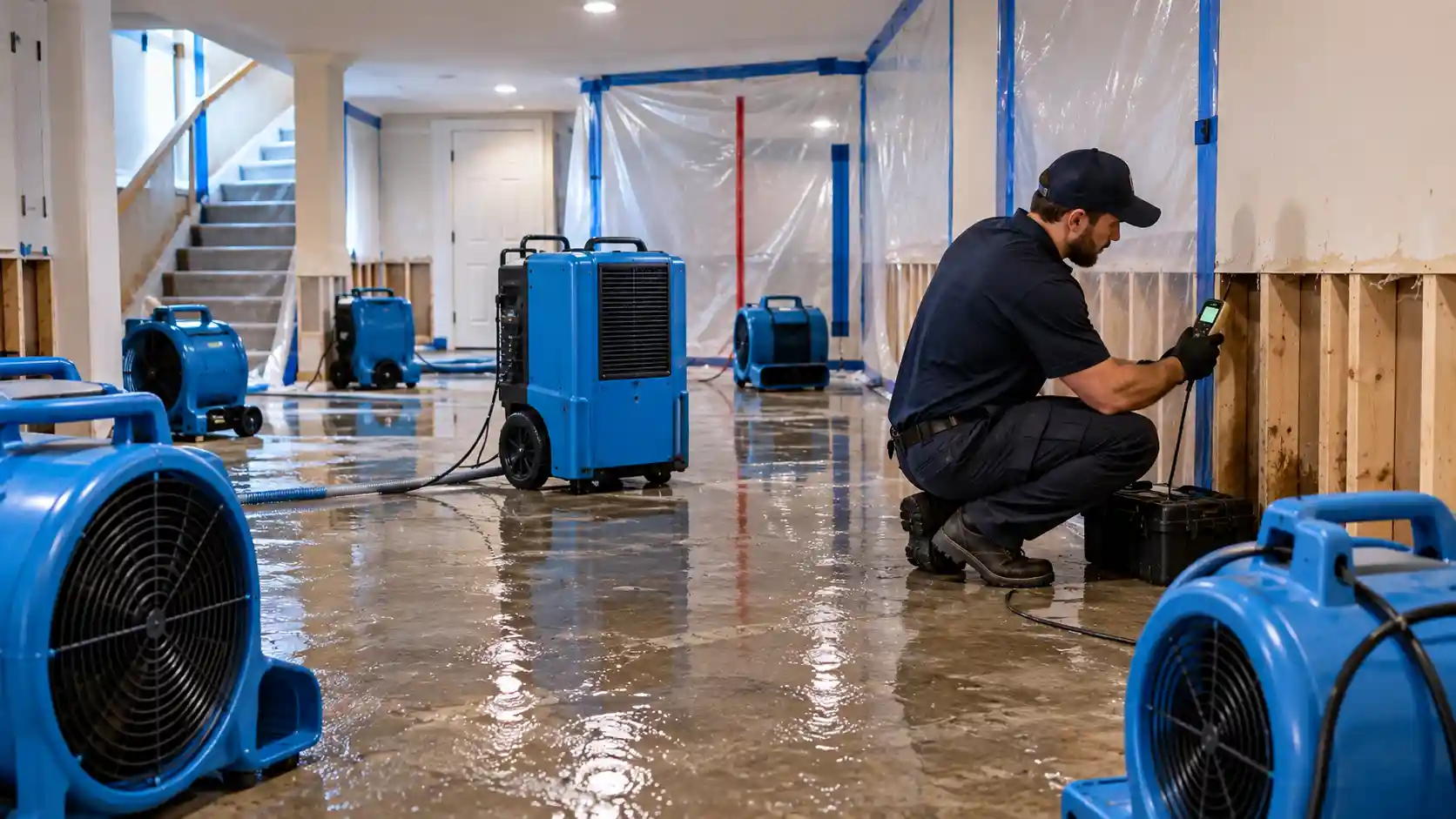
Immediate structural stabilization, containment barriers, and rapid dehumidification to stop water migration and cut total restoration cost.
View Details →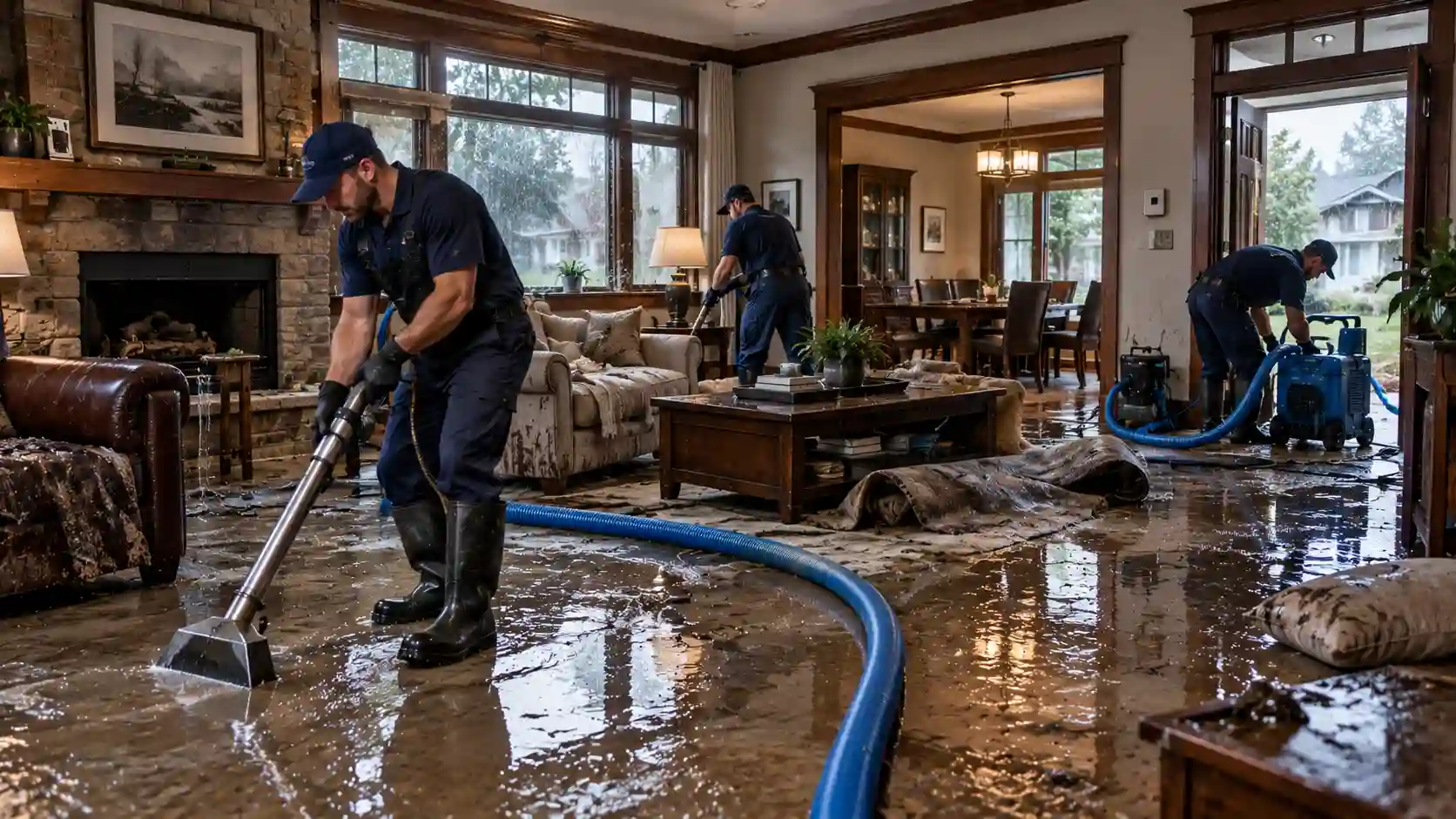
Full recovery from storm surges, groundwater intrusion, and atmospheric river flooding with deep sanitization.
View Details →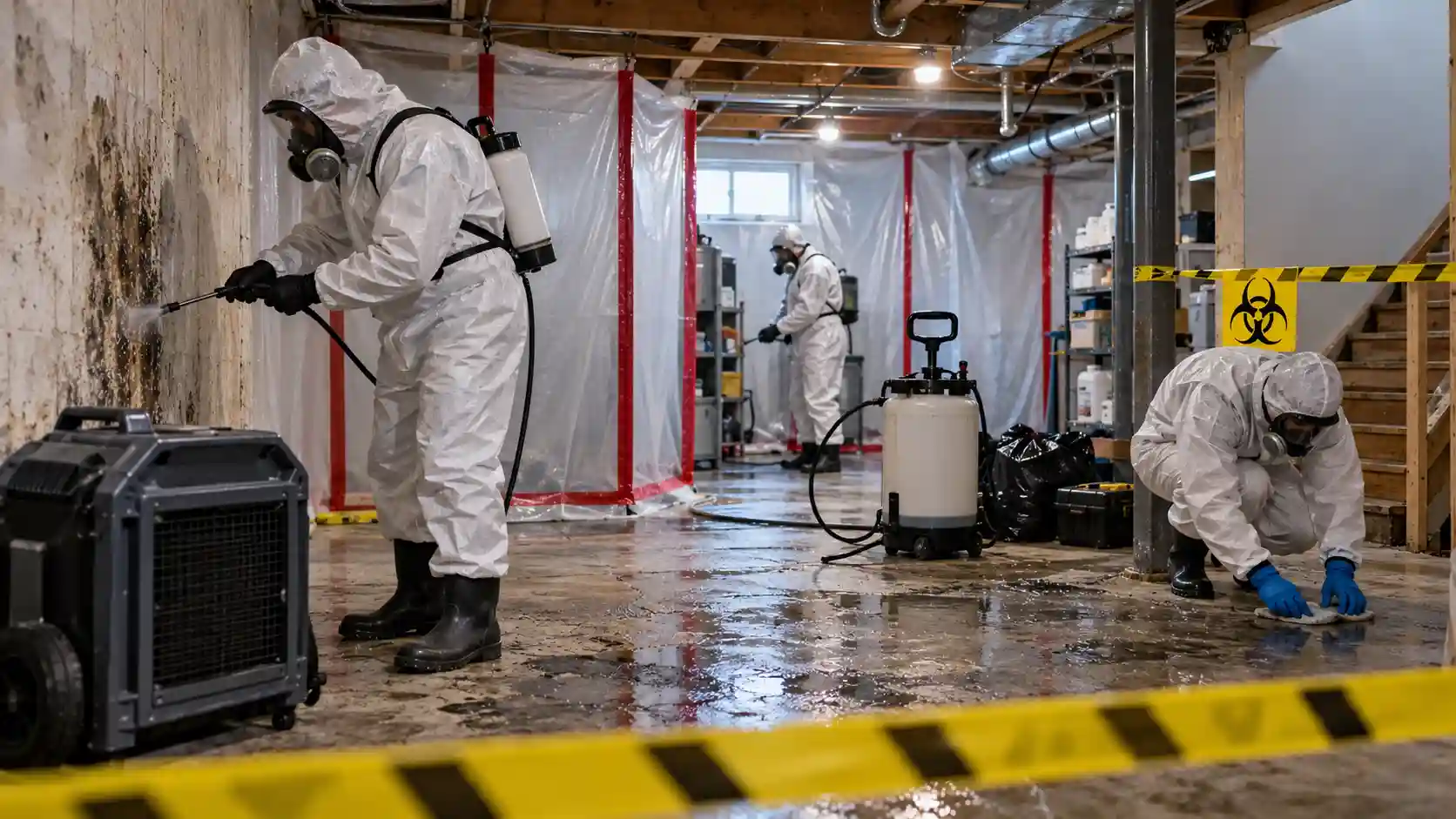
Safe Category 3 black-water removal, biohazard containment, and hospital-grade disinfection to strict EPA standards.
View Details →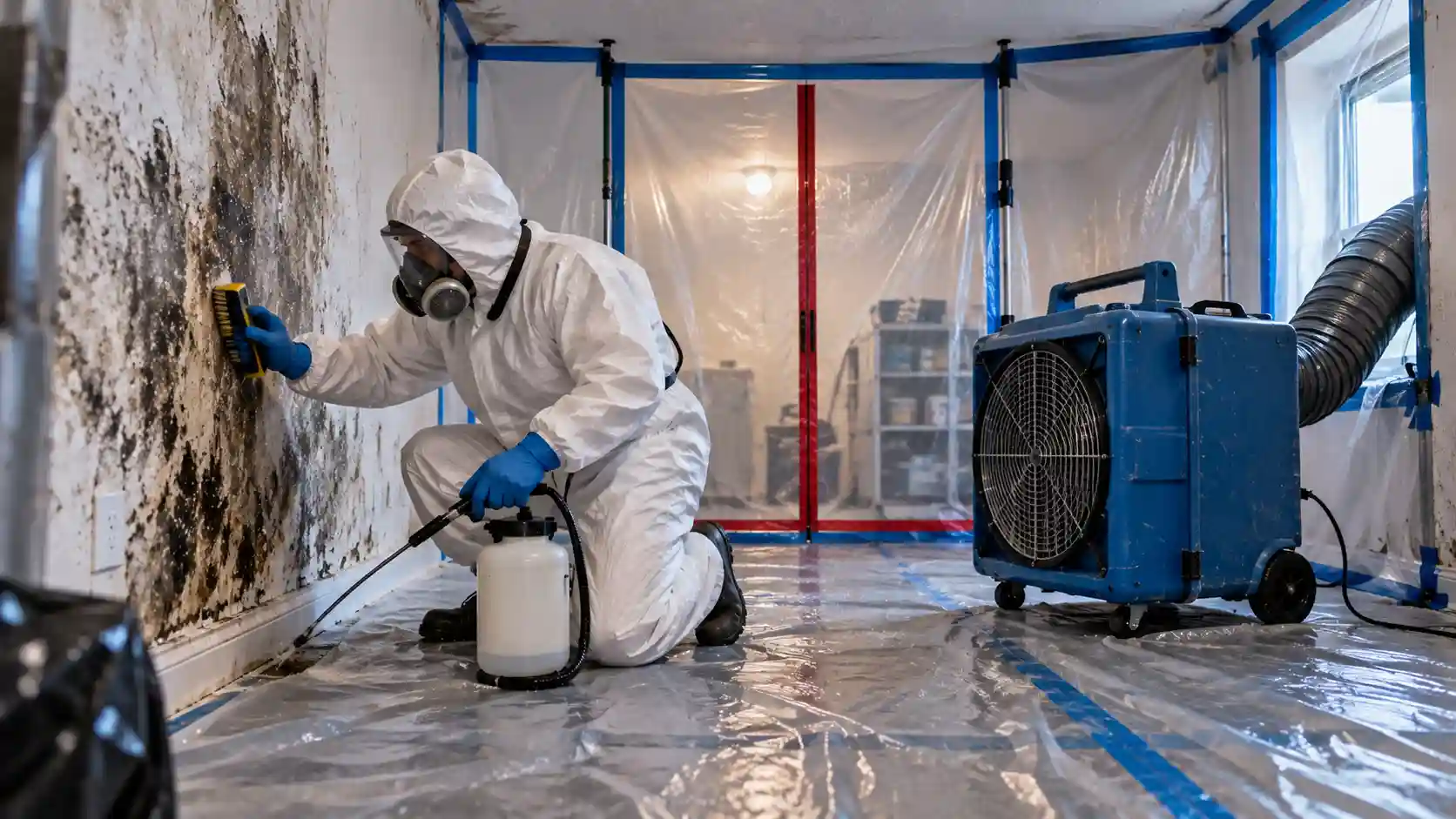
Comprehensive mold inspection, negative-air containment chambers, HEPA filtration, safe removal, and clearance verification.
View Details →
Safe elimination of toxic black mold using strict negative-pressure containment and hospital-grade antimicrobial agents.
View Details →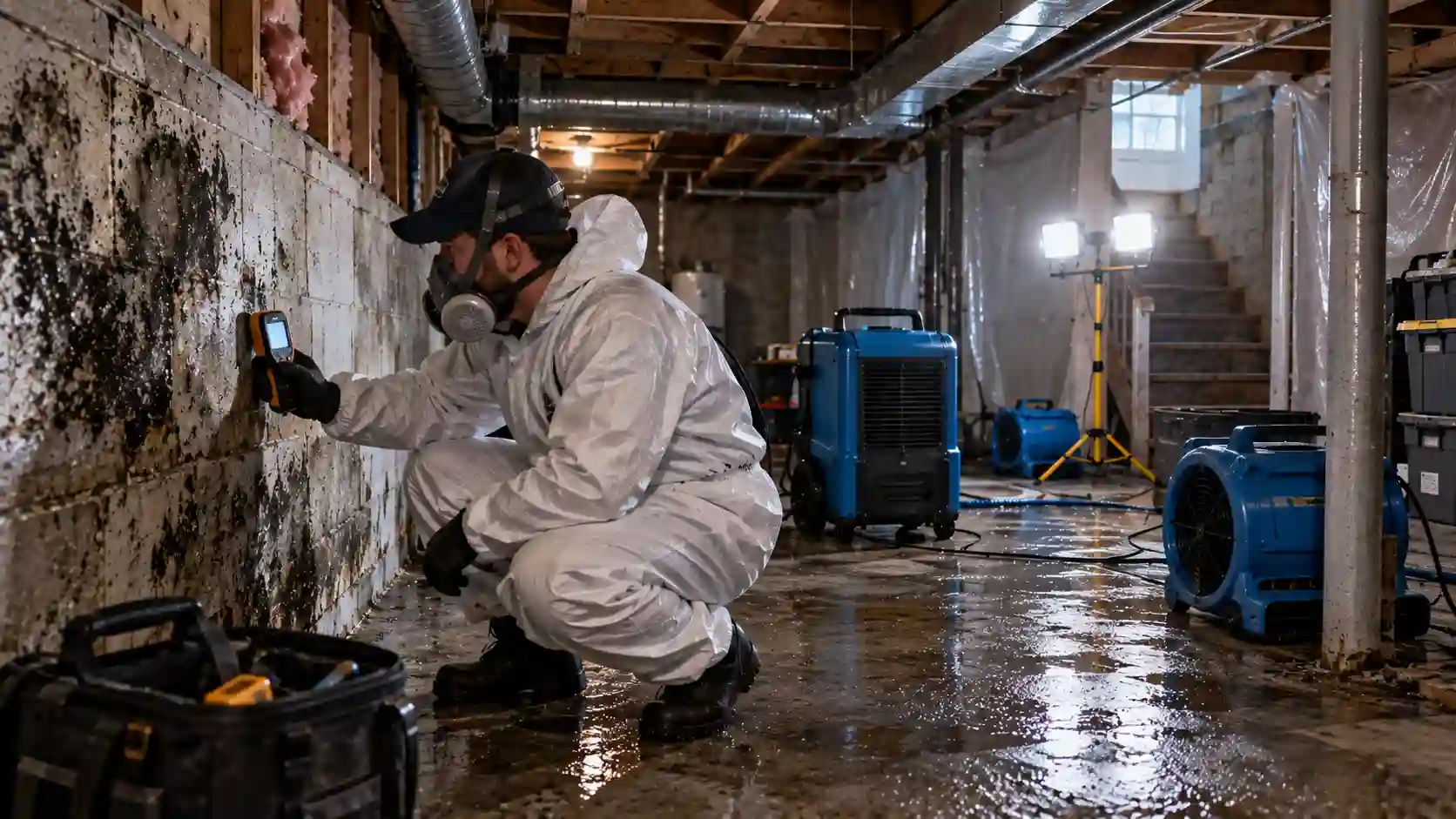
Targeted remediation for Seattle's damp, moisture-prone basements, subfloors, and crawl space foundations.
View Details →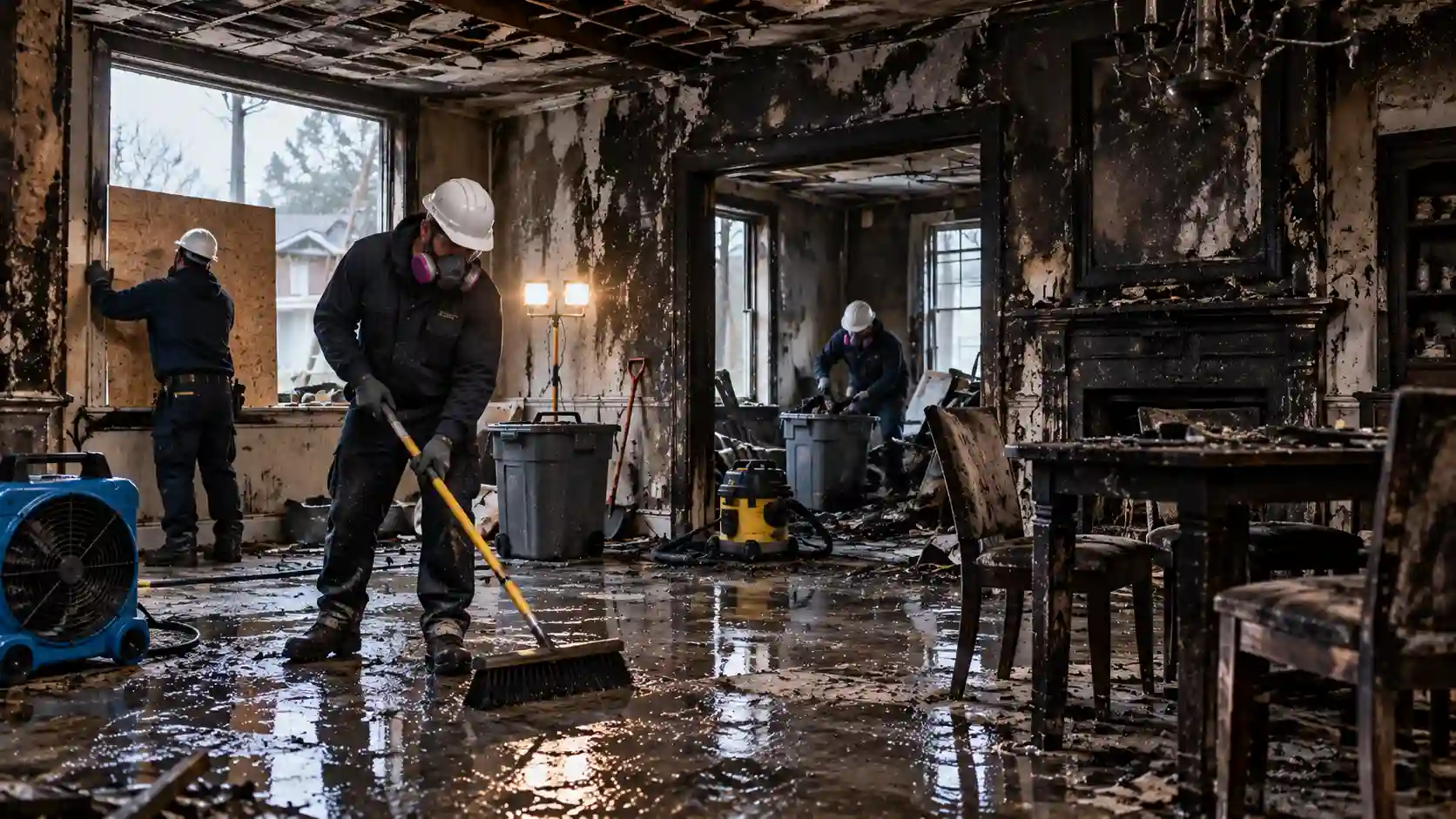
Emergency board-up, structural stabilization, firefighting water extraction, soot cleanup, and complete reconstruction.
View Details →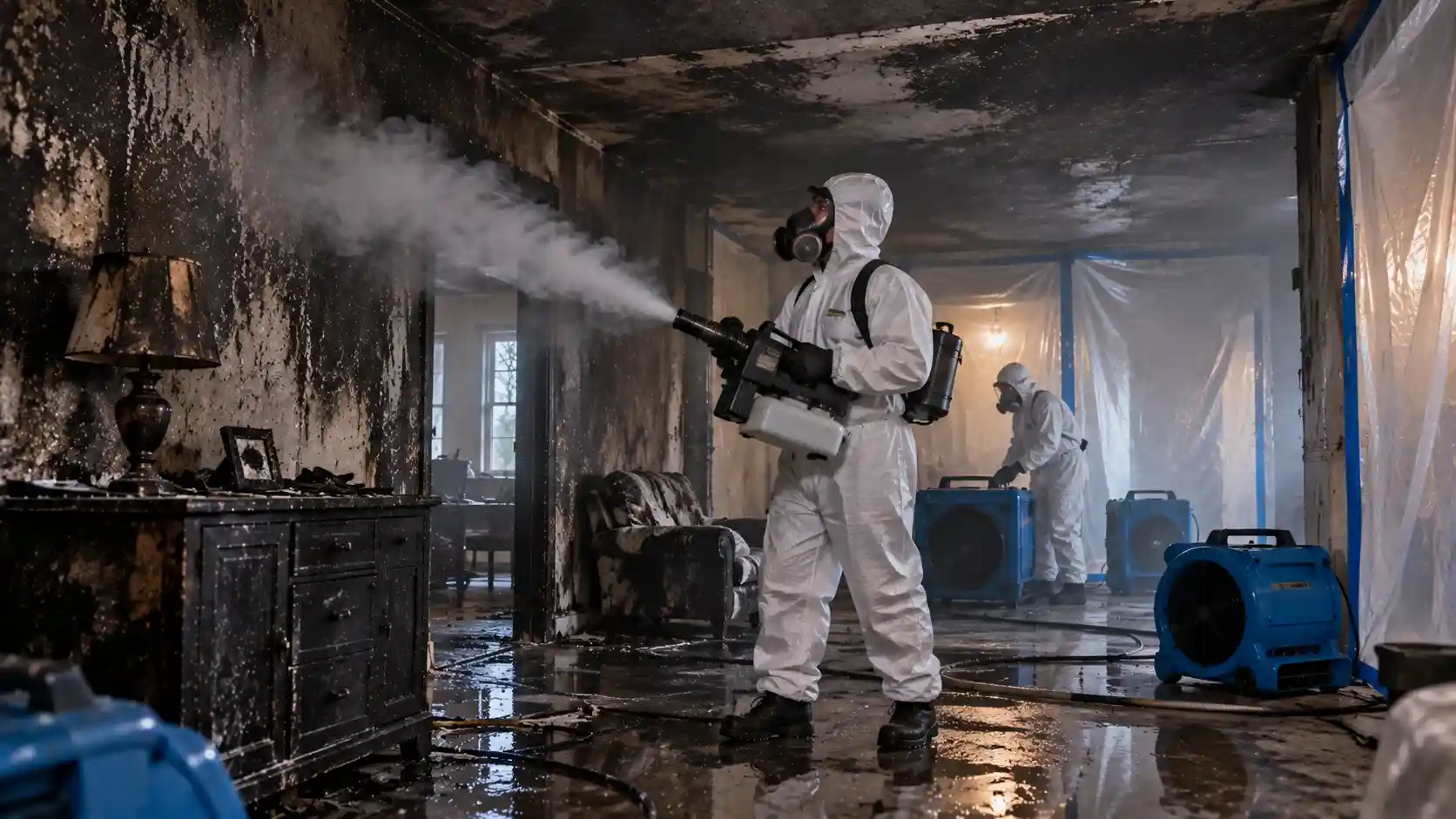
Deep soot removal, ultrasonic content cleaning, and thermal fogging / hydroxyl generator molecular odor neutralization.
View Details →Get a certified crew on-site in 30 minutes.
RapidDry crews respond in 30 minutes across the entire metro. Find your neighborhood below.
Certified black mold removal for Ballard homes & businesses
Stachybotrys removal across Capitol Hill
30-minute black mold response in Queen Anne
Attic & crawl space black mold in West Seattle
Certified black mold removal for Fremont
Black mold removal & testing in Green Lake
Commercial black mold removal downtown
Black mold removal in SLU
Attic black mold specialists in Beacon Hill
Black mold removal across Columbia City
Certified black mold crews in Rainier Valley
Crawl space black mold in Georgetown
30-minute black mold response in Leschi
Black mold removal for Magnolia homes
Black mold removal in the U-District
Certified black mold removal in Wallingford
Don't see your neighborhood? Call (206) 555-0199 — if it's in Seattle, we're on our way.
No. Some black-colored molds produce mycotoxins; many don't. The black growth in a crawl space is often mildly-toxic Cladosporium, not toxic Stachybotrys. Only lab testing confirms the species and toxicity.
Toxic black mold can release mycotoxins linked to coughing, congestion, worsened asthma, skin and eye irritation, headaches, and — in extreme, prolonged cases — neurological symptoms. Children, the elderly, and those with respiratory conditions are most at risk.
Professional removal means inspection, air/surface testing, containment under negative-air pressure, HEPA filtration, safe removal of contaminated porous materials, antimicrobial treatment, structural drying, moisture-source repair, and independent clearance testing.
No. Bleach may lighten the stain so the surface looks clean, but it doesn't kill the roots in porous materials like drywall — and the water content can actually feed regrowth. It's a cosmetic fix, not a solution.
Small surface spots on non-porous material (under ~10 sq ft) can be DIY'd with proper protection. Larger, porous, recurring, or hidden mold — and any case involving health concerns — requires professional containment, because disturbing it spreads spores.
Yes. We take air and surface samples analyzed by an independent lab to confirm the species and map contamination before we build the removal plan.
By fixing the moisture source — the leak, the vent, the drainage — and keeping indoor humidity below 45–50%. Mold that regrows is almost always mold whose water source was left running.
Most residential jobs take 1 to 5 days depending on the size of the affected area, location, and whether moisture repairs or structural drying are needed. Independent clearance confirms completion.
Minor surface removal typically runs $500–$1,500, while severe or hidden multi-area jobs can reach $8,000+. We provide a free written, line-item estimate before starting.
Coverage varies — many policies cover black mold from a sudden, covered event like a burst pipe, but exclude mold from long-term neglect. We document everything and coordinate with your insurer.
Independent third-party clearance testing. After removal, a lab tests air and surface samples and sends results directly to you — verified proof, not our word. If levels stay elevated, we re-remediate free.
Yes — RapidDry runs 24/7/365 with a guaranteed 30-minute on-site response across Seattle.
Still unsure?
Template section. No new award name is claimed in this section. Real award names still need owner confirmation.
Washington contractor licence as stated on current site pages.
IICRC-certified firm as stated on current site pages.
Certified restoration crews as stated on current site pages.
AMRT-certified crews as stated in the owner-supplied source.
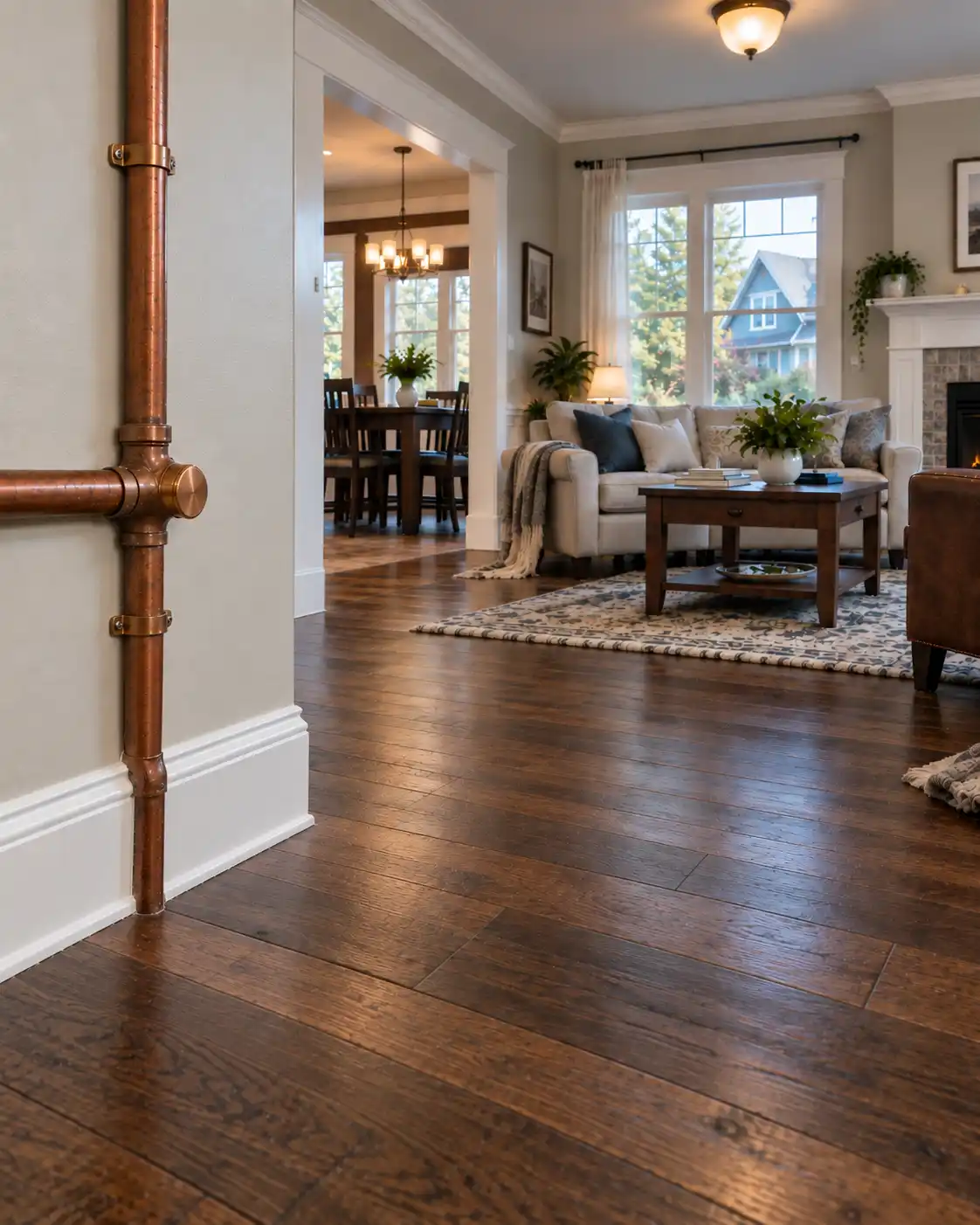
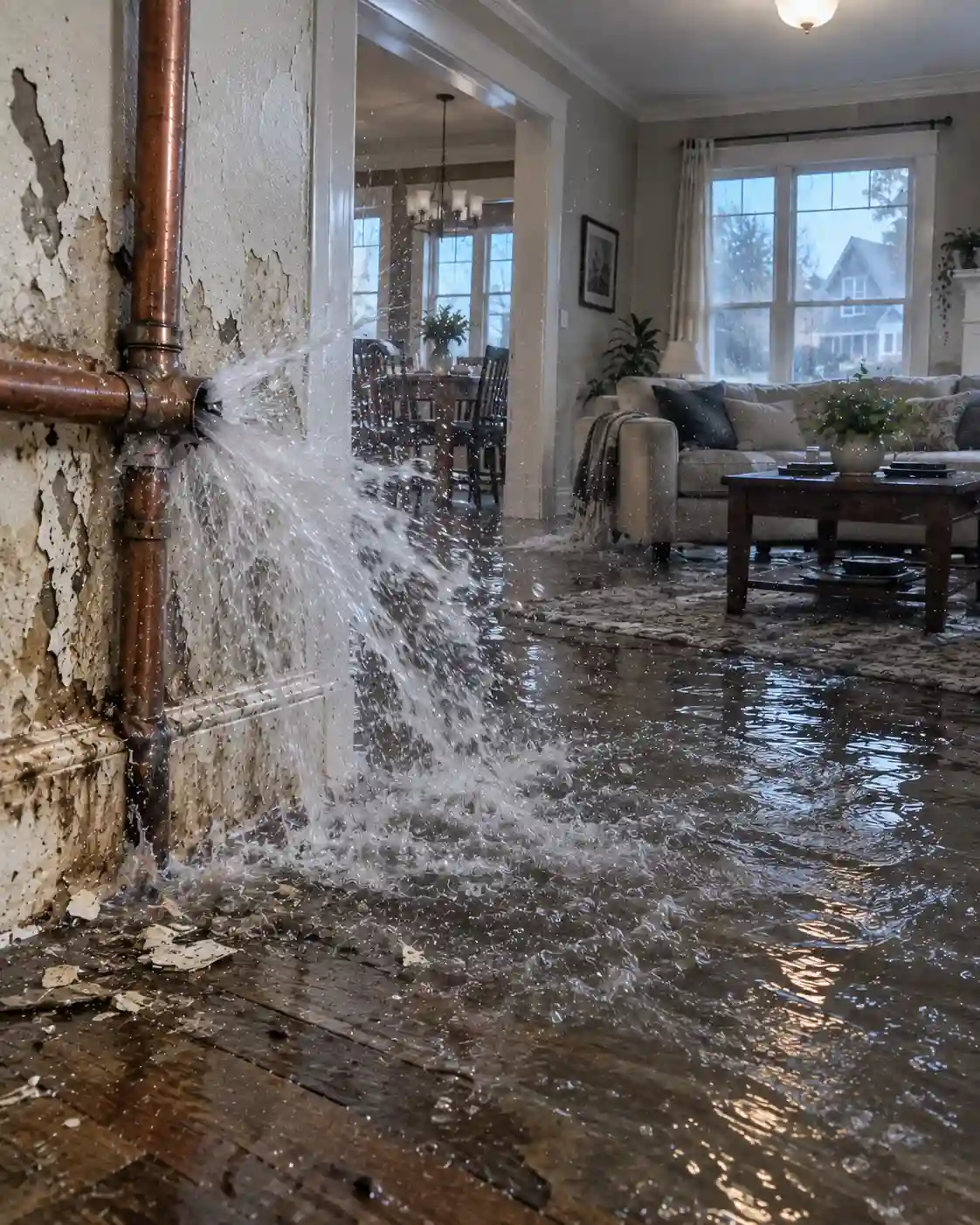
Template section. Images below are the homepage Before/After sets 1 and 2 only. No new jobs are shown.
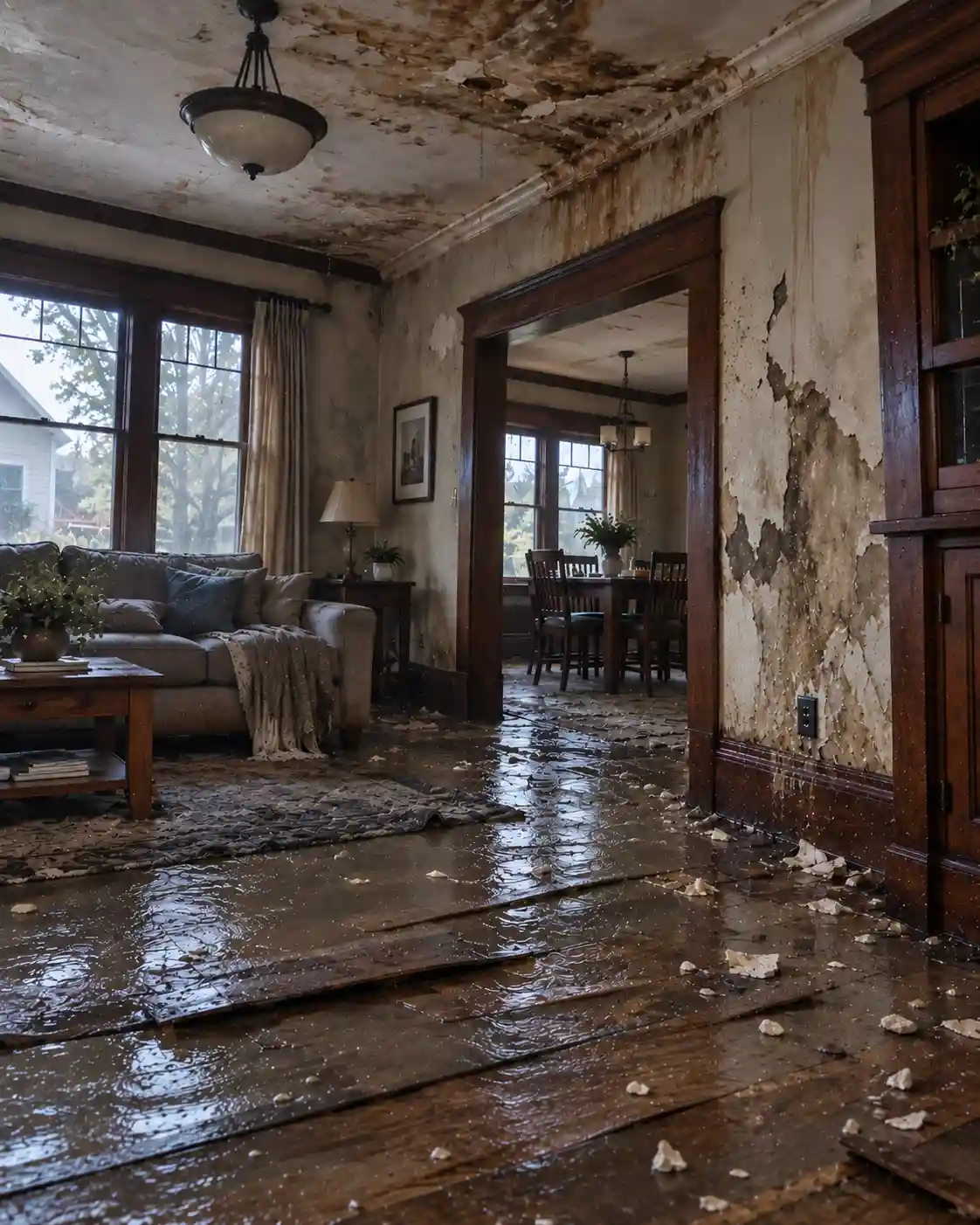
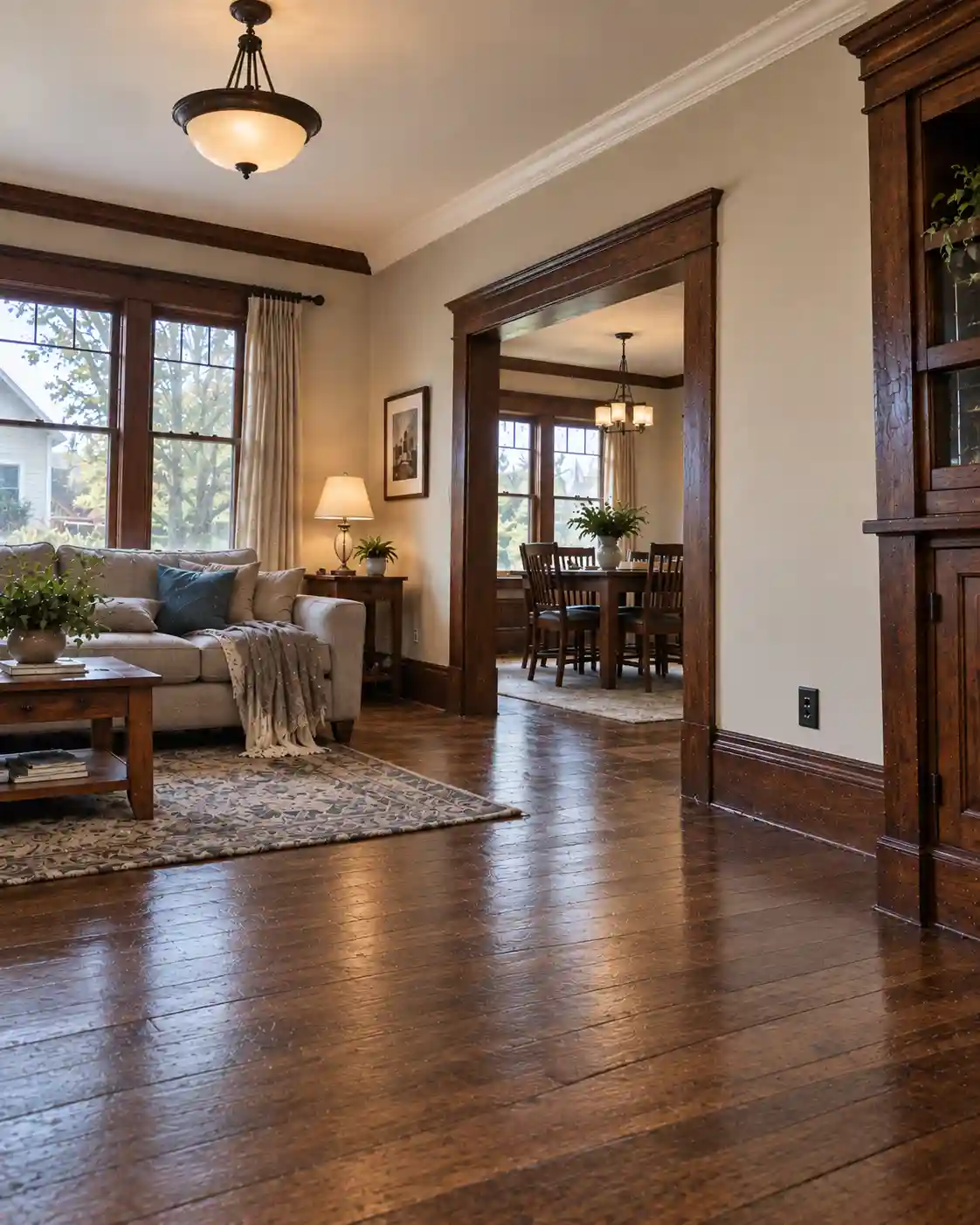
Black mold only spreads — and grows more dangerous — the longer it's ignored. Our AMRT-certified crews are standing by 24/7 with a 30-minute response, free inspection, air and surface testing, and independent third-party clearance so you get verified proof the mold is gone.
🛡️ Request Your Free Black Mold Inspection
Independent clearance testing · Direct insurance billing · Available 24/7/365 across Seattle