Basement flooding after sustained rain
Days of rain saturate ground around a foundation and push water through joints and older walls into basements that stayed dry in lighter weather.
Act todayA peninsula across the water from Downtown, with beach streets, bluff homes, and the Junction.
Yes, RapidDry Restoration Seattle travels to homes and businesses in West Seattle, a peninsula west and southwest of Downtown across the Duwamish River and Elliott Bay, for water damage restoration. This page is for West Seattle homeowners, renters, and businesses, from Alki to the Junction and the southern neighbourhoods, dealing with a leak, flood, or damp that has spread beyond one room. RapidDry is a service-area business, so we come to you; we do not claim an office or storefront in West Seattle. If water is present, keep clear of contaminated water, stop the source only if it is safe to do so, and call (206) 555-0199 to arrange an on-site inspection and moisture mapping.
Call (206) 555-0199 to talk through what has happened, what to avoid touching, and what an on-site inspection and moisture mapping would cover in West Seattle.
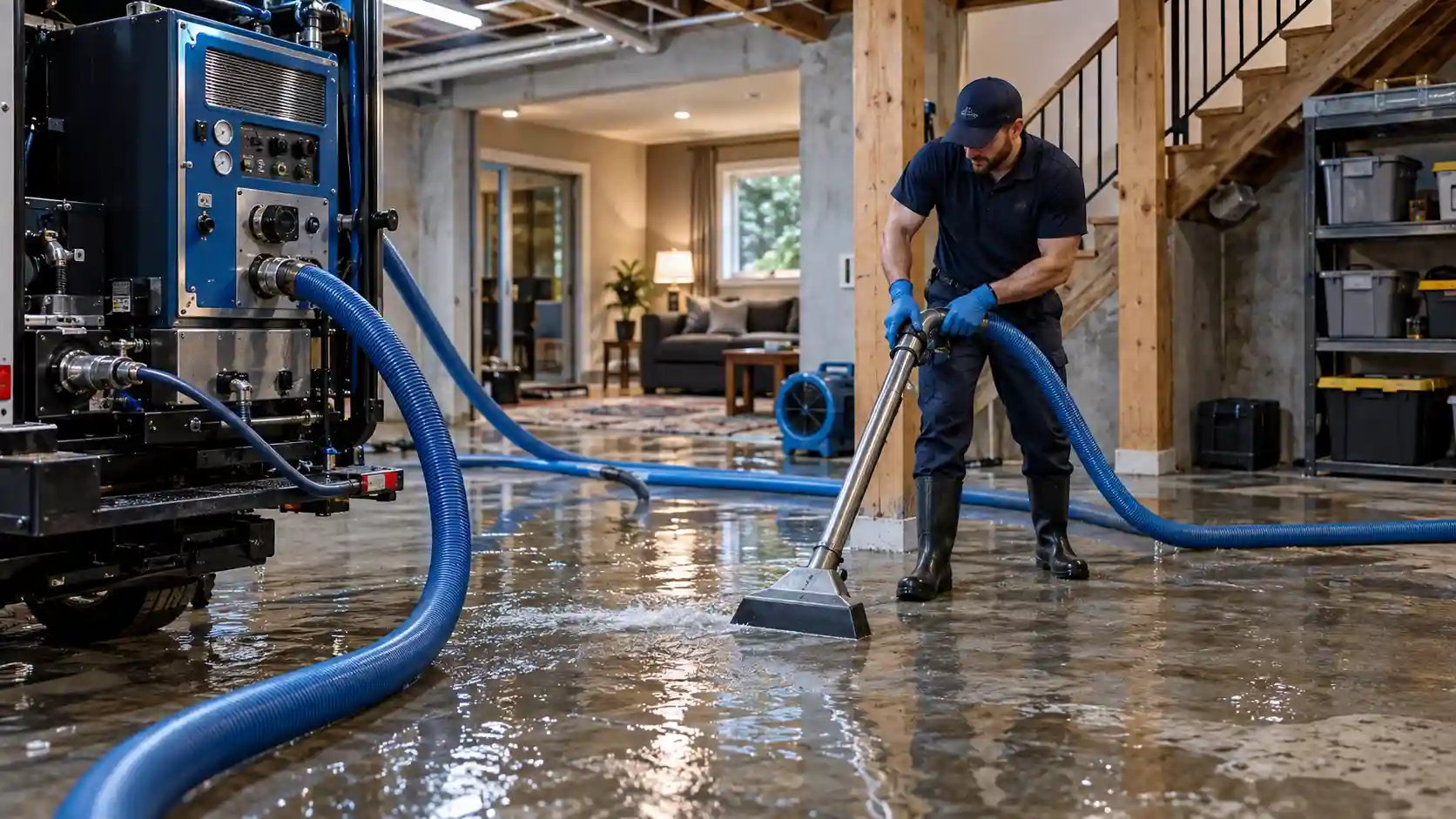
Extraction and structural drying for homes and businesses in West Seattle, Seattle.
Every Seattle neighbourhood has its own water pattern. In West Seattle, the pattern is shaped by the building stock, the ground, and the way homes and businesses share walls and drains. These are the factors our inspection checks first here:
No two losses in West Seattle are treated as the same job, even when the visible water looks similar: the inspection, moisture mapping, and drying plan follow the building and the path the water took.
West Seattle is the only peninsula page in the Seattle set: a neighbourhood west and southwest of Downtown, across the Duwamish River and Elliott Bay, physically separated from the rest of the city by water. Its commonly named sub-areas are Alaska Junction, also called West Seattle Junction, the Admiral District, Morgan Junction, Fauntleroy, and Alki. The commonly understood area around West Seattle is not a single legal boundary, so this page uses corridors and landmarks, not a drawn line.
For service access, the West Seattle Bridge is the primary road link to the rest of the city, with SR-99 as the other road context. The bridge was closed in 2020 to 2022 for structural repairs; that is access history, not a current closure claim, and no arrival time is promised on this page. The King County Water Taxi from Seacrest Dock to Downtown is passenger access only, not a van route, so it is not presented as a crew route. Crews travel to the customer by road, and access is planned per job.
The landmarks are Alki Beach at 2665 Alki Ave SW, 98116, Lincoln Park, and the Alaska Junction at California Ave SW and Alaska St. Housing follows that geography in general terms: beach bungalows and mid-century ramblers near Alki, larger view homes on bluffs, and denser condo and townhome stock in the Junction and Admiral areas. No housing prevalence statistic is claimed for any sub-area here.
ZIP codes are presented here only as primarily 98116 and 98126, with 98106 and 98136 in southern West Seattle. No exhaustive ZIP list is published on this page, because sources disagree on the full set. ZIP codes are postal delivery areas, not neighbourhood boundaries.
On flood context, the Puget Sound coastline is an SDCI floodplain corridor category, and Longfellow Creek is an SDCI-named floodplain creek in the Delridge and West Seattle area. Neither fact maps either corridor to a specific West Seattle address. Check any address at the FEMA Flood Map Service Center or on the King County iMap flood layer, because risk varies by address, elevation, drainage, and building. Coastal and bluff exposure in general terms is not a flood zone for a property.
These are common water-damage situations in West Seattle homes and businesses. If yours matches one of them, the first step is the same: stop the source if it is safe to do so, keep clear of contaminated water, and call (206) 555-0199.
Days of rain saturate ground around a foundation and push water through joints and older walls into basements that stayed dry in lighter weather.
Act todayGround moisture under an older bungalow keeps the subfloor damp, feeds musty air, and needs extraction and measured drying across the whole crawl space.
Act todayOverflowing gutters and ageing roofs let rain into ceilings and wall tops, where it travels down before it shows as a stain.
Act todayAgeing supply lines in older West Seattle homes can fail inside walls and run down through framing to a lower floor.
Act todayA failed hose or tank in a laundry or utility room spreads across hard floors and into adjoining rooms, especially in single-level bungalows.
Act todayLower rooms show drain problems first. Category 3 water needs containment and disinfection, and contact should be avoided.
Call now / avoid contact
West Seattle homes are often the kind people stay in for decades, which means repairs have layered over time and the source of a leak is not always where the water appears. We check basements, crawl spaces, and the rooms below a stain before we settle on a drying plan, and we keep equipment running until moisture readings, not appearances, say the job is done.
Residential work in West Seattle covers extraction of standing water, cleaning and sanitising of affected surfaces where the water category requires it, and structural drying to verified moisture goals, with daily readings logged until the goal is confirmed.
West Seattle commercial property runs from neighbourhood shopping streets to light commercial and workshop spaces, often in older buildings. A water loss in a shop or workshop threatens stock and trading days, so containment and staged drying are planned around keeping as much of the premises usable as the loss allows.
Shops on neighbourhood commercial streets, where a leak above or behind the sales floor needs fast containment.
Restaurants and cafes, where kitchen drains and appliances need a sanitised, documented clean-up.
Workshops and storage buildings, where standing water threatens stock, timber, and equipment.
Commercial work in West Seattle is documented per tenancy and per affected space, so a building manager, owner, or tenant each has a clear record of what was wet and what was dried.
In West Seattle the process checks the ground as well as the plumbing: crews look for seepage routes at basement and crawl-space level alongside the failed pipe or appliance, because rain-driven losses often have two sources.
We record the source, the water category, and every room it may have reached, then inspect and map moisture with thermal imaging and calibrated meters.
Affected areas are contained so water, damp air, and contaminants do not spread to unaffected rooms while work proceeds.
Standing water is removed with truck-mounted or portable extraction units and submersible pumps, sized to the loss.
Commercial air movers and dehumidifiers dry framing, subfloor, and wall cavities, with moisture readings logged until the drying goal is confirmed.
Affected surfaces are cleaned and sanitised as the water category requires, with contaminated materials removed under containment where needed.
Repairs return the space toward its pre-loss condition, and drying is only signed off when moisture readings confirm it, not when surfaces look dry.
Guide only, never a fixed quote. No dollar figure appears on this page, because a reliable scope cannot be set without inspecting the loss. West Seattle cost drivers are basement and crawl-space scope, whether rain seepage is part of the loss, and how many rooms the water crossed in a single-level or split-level home.
| Scope band | What it typically covers | What moves a job up a band |
|---|---|---|
| Contained, single-room, clean-water loss | One room, clean water, no wall-cavity or lower-floor spread. | Water reaching a cavity, subfloor, or the room below. |
| Multi-room or multi-level loss | Water across several rooms or two levels, including ceilings and wall cavities. | Hardwood, plaster, or built-in joinery drying, and shared-wall or neighbouring-unit scope. |
| Large-area or contaminated-water loss | Large floors, commercial space, or Category 3 water needing containment and disinfection. | Contamination controls, material removal, and the size of the affected area. |
Final scope is assessed on site in West Seattle after inspection and moisture mapping. Call (206) 555-0199 to arrange an assessment and to talk through what the inspection covers.
West Seattle trust is the same verified pair as every page: IICRC-certified crews and the Washington licence below. No awards, ratings, or review counts are claimed on this page.
What every RapidDry job in West Seattle includes: an inspection and moisture map before drying, extraction sized to the loss, drying to logged moisture goals, and documentation with photos and readings that you can share with your insurer.
This section lists credentials only. No award is claimed on this page, because no award has been verified for publication here.
The firm credential held by RapidDry Restoration Seattle, covering IICRC-certified restoration practice.
The Washington contractor licence number stated for RapidDry Restoration Seattle.
Crews working to IICRC standards for water damage restoration, including moisture mapping and measured structural drying.
The team below serves homes and businesses across Seattle, including West Seattle. Roles are as stated on the RapidDry homepage.
Founder & Master Restoration Architect
Leads restoration planning and oversees complex losses from inspection through sign-off.
Director of Operations
Coordinates jobs, documentation, and the operational side of each restoration.
Lead Structural Drying Superintendent
Leads structural drying, moisture monitoring, and verification that drying goals are met.
Only two before-and-after pairs are used on this page, because those are the two pairs verified for location-page use: one in Capitol Hill and one in Ballard. No other job is presented as a West Seattle job, and no new job pair has been invented.
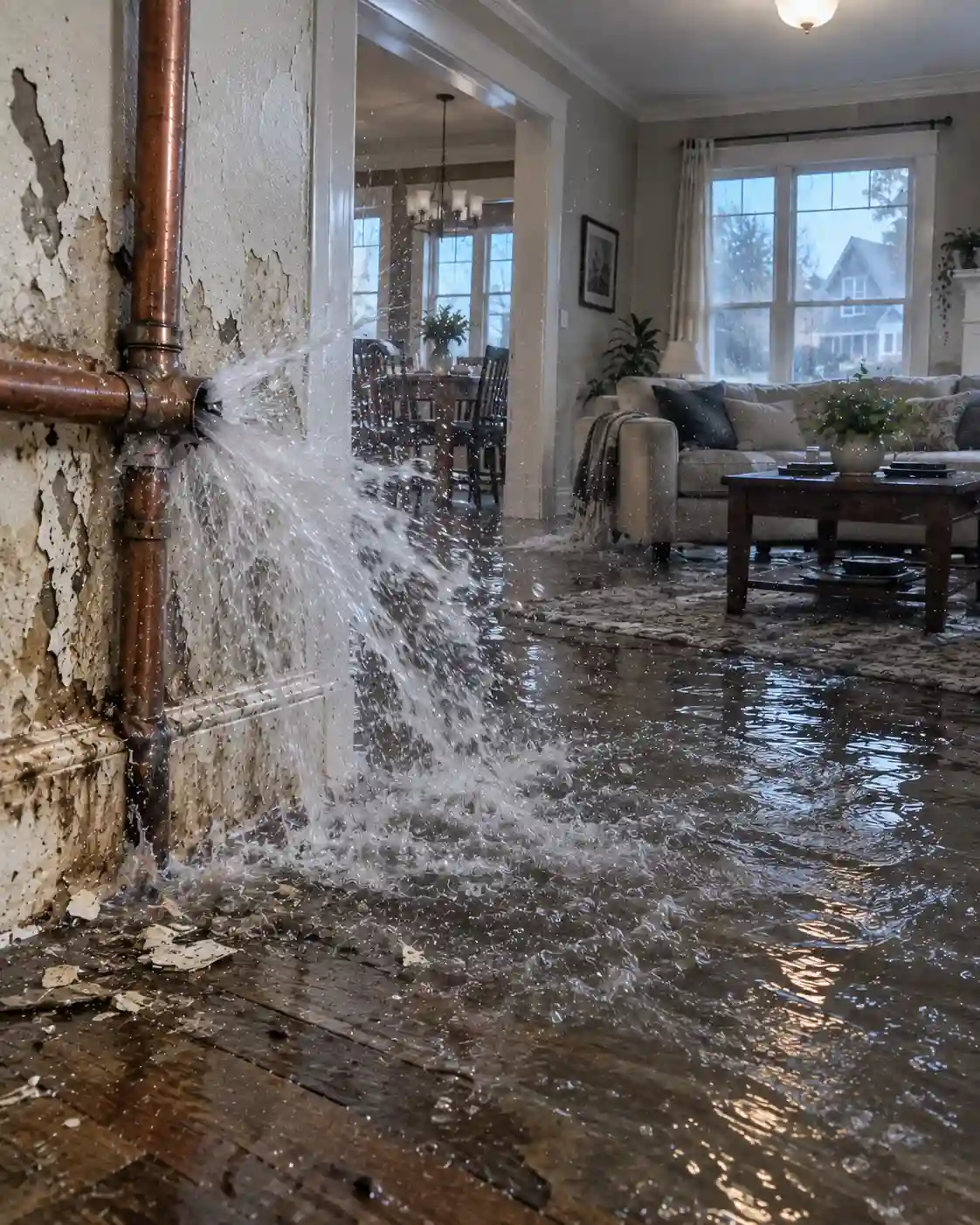
Before: burst-pipe flooding in a Capitol Hill home.
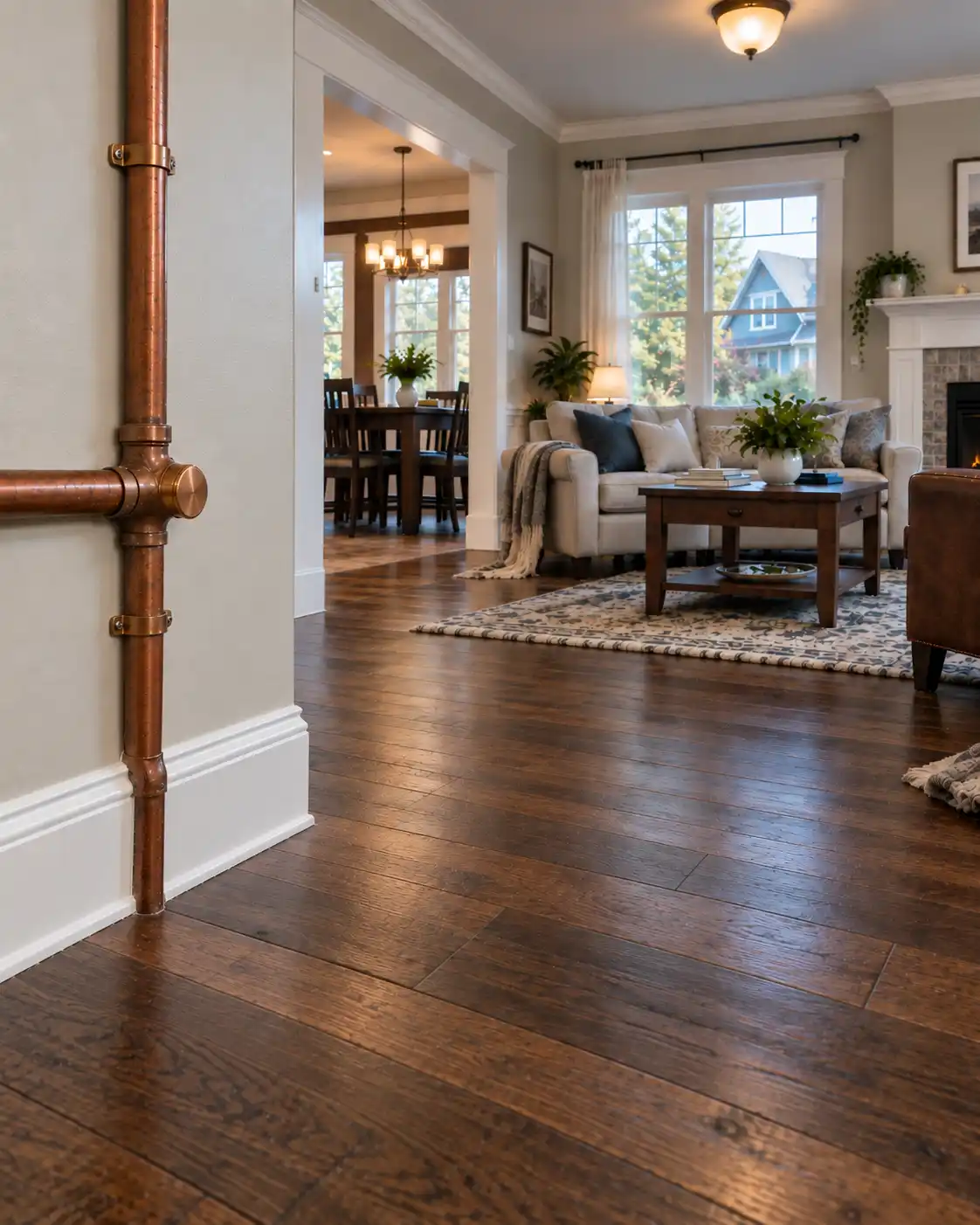
After: the same home restored to pre-loss condition.
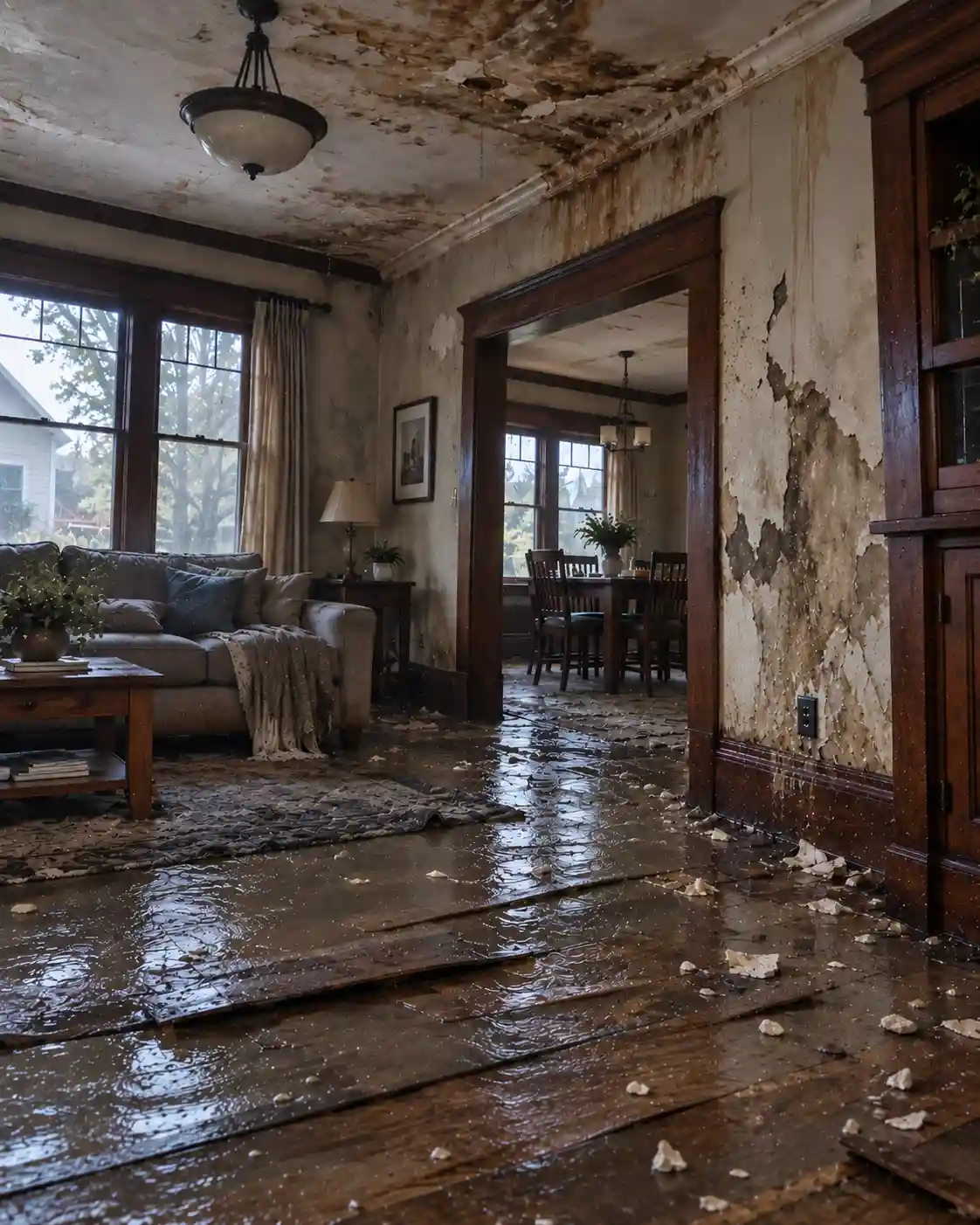
Before: Category 2 water damage in a Ballard Craftsman home.
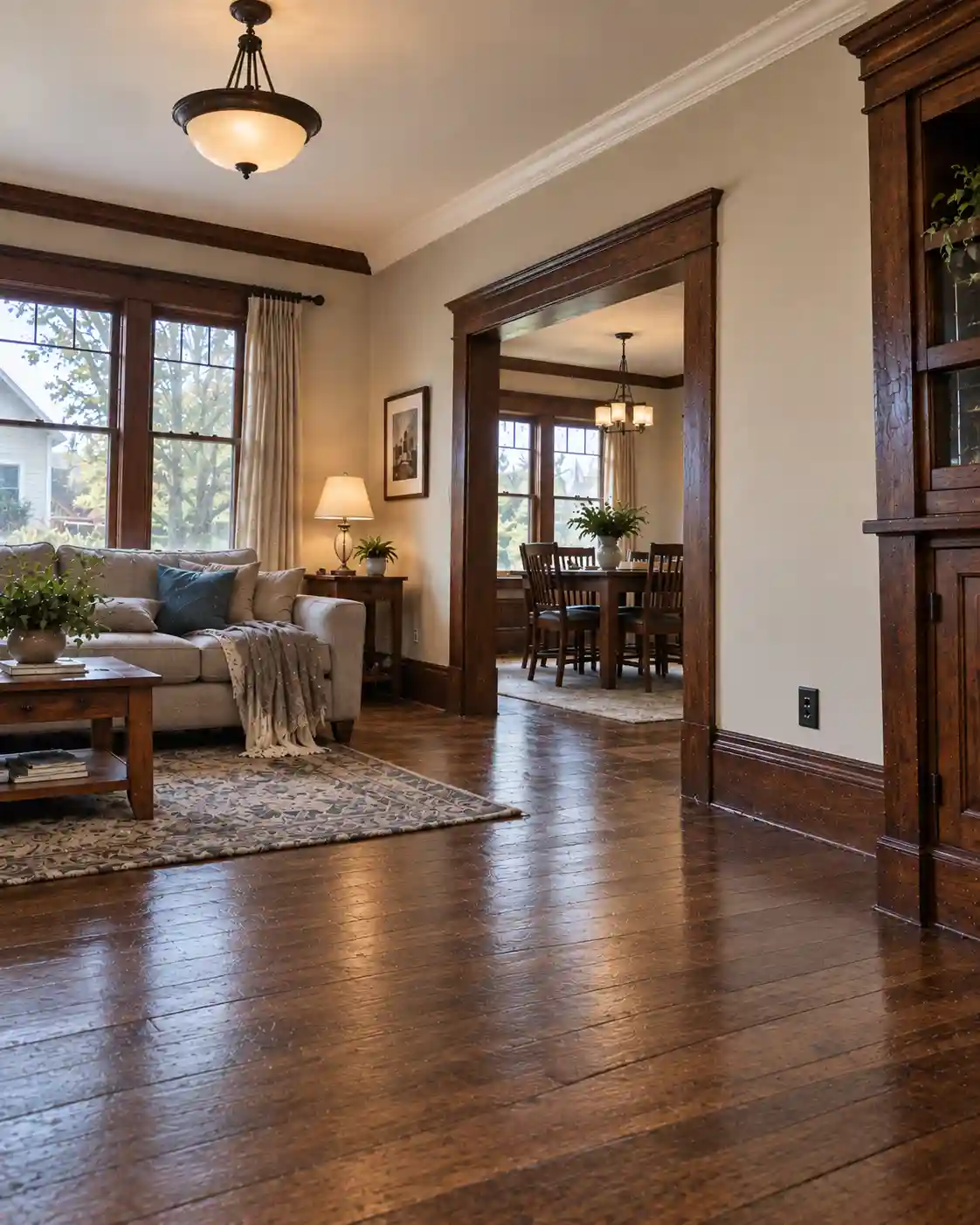
After: the same Ballard home restored.
RapidDry serves homes and businesses in Seattle. The map below shows Seattle, and the list below links to each of the 16 Seattle location pages, including this page for West Seattle.
Water damage restoration in Ballard, Seattle.
Water damage restoration in Capitol Hill, Seattle.
Water damage restoration in Queen Anne, Seattle.
Water damage restoration in West Seattle, Seattle.
Water damage restoration in Fremont, Seattle.
Water damage restoration in Green Lake, Seattle.
Water damage restoration in Downtown Seattle, Seattle.
Water damage restoration in South Lake Union, Seattle.
Water damage restoration in Beacon Hill, Seattle.
Water damage restoration in Columbia City, Seattle.
Water damage restoration in Rainier Valley, Seattle.
Water damage restoration in Georgetown, Seattle.
Water damage restoration in Leschi, Seattle.
Water damage restoration in Magnolia, Seattle.
Water damage restoration in University District, Seattle.
Water damage restoration in Wallingford, Seattle.
The services grid below is the homepage services grid, with the same images, titles, and descriptions.
High-capacity truck-mounted and portable extraction units clear standing water fast from flooded basements, crawl spaces, and commercial floors.
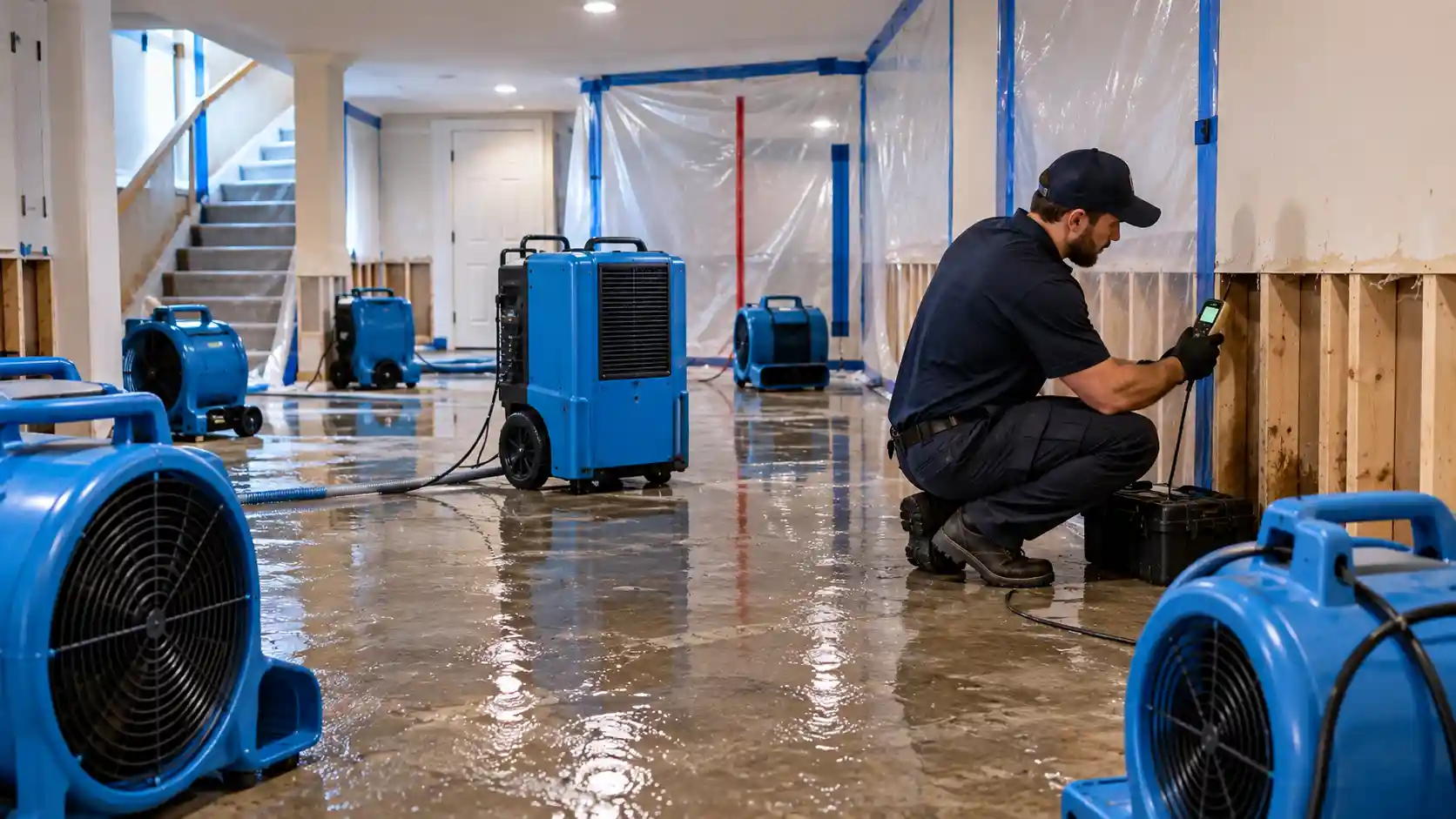
Immediate structural stabilization, containment barriers, and rapid dehumidification to stop water migration and cut total restoration cost.
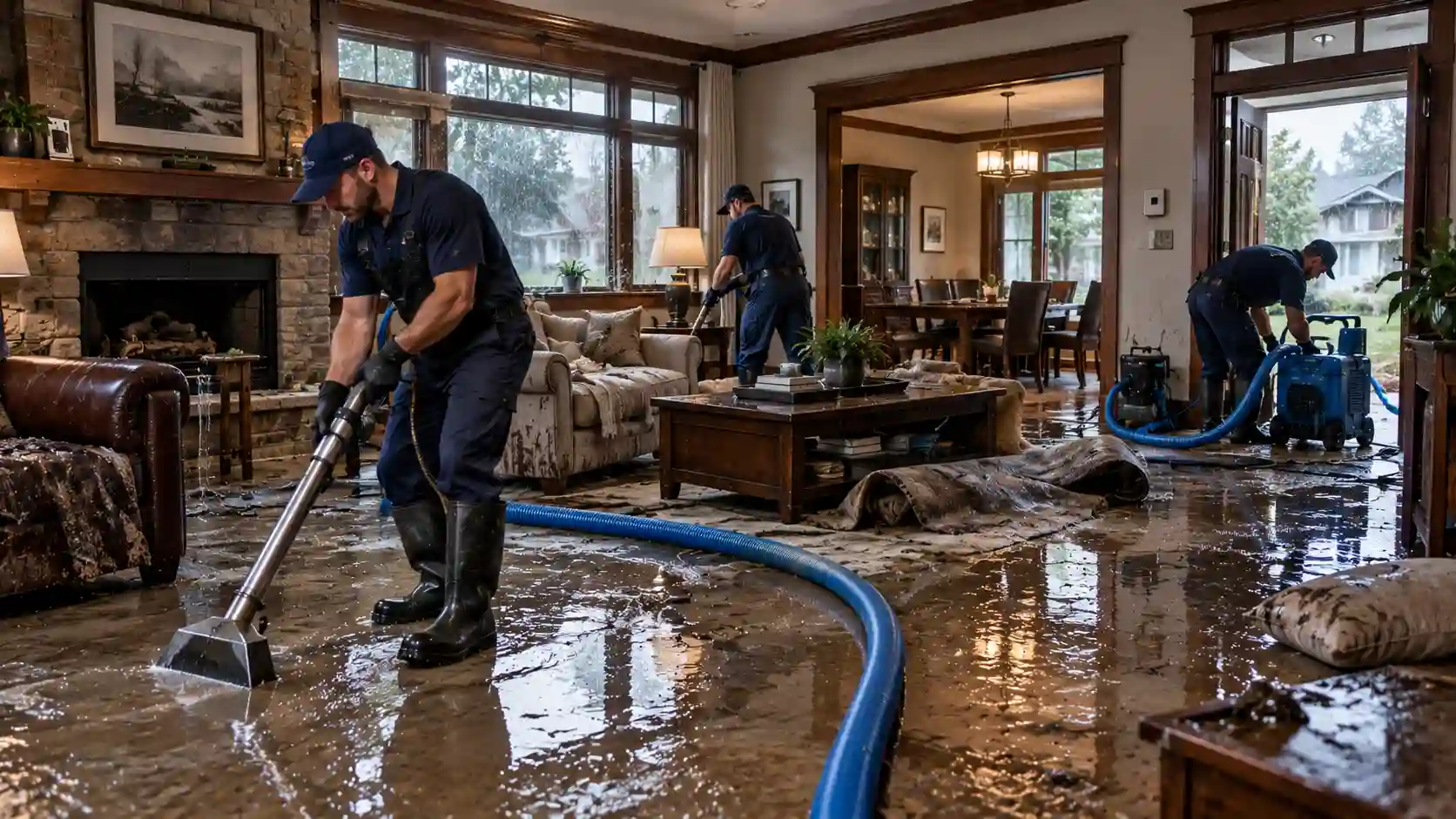
Full recovery from storm surges, groundwater intrusion, and atmospheric river flooding with deep sanitization.
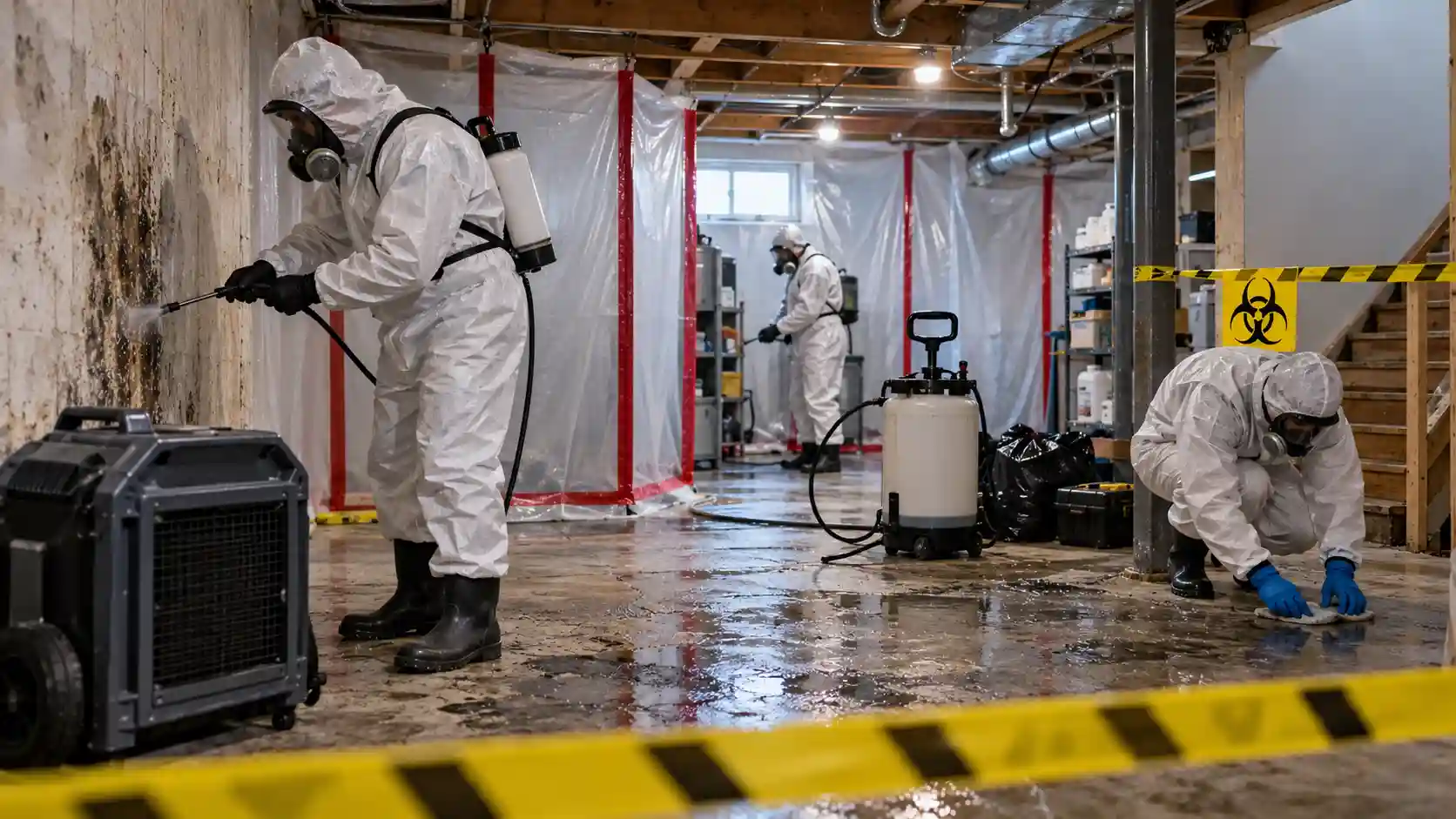
Safe Category 3 black-water removal, biohazard containment, and hospital-grade disinfection to strict EPA standards.
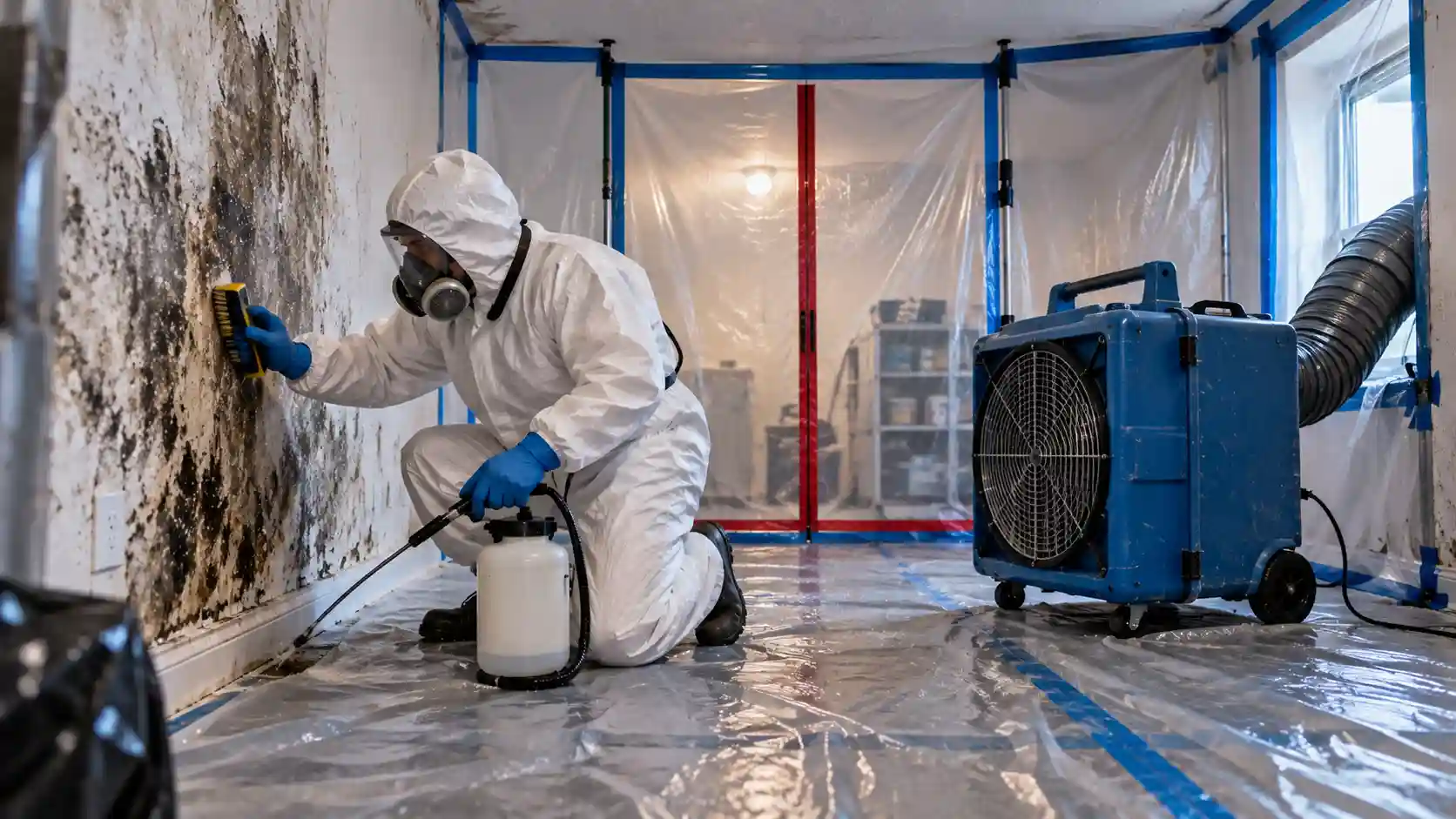
Comprehensive mold inspection, negative-air containment chambers, HEPA filtration, safe removal, and clearance verification.
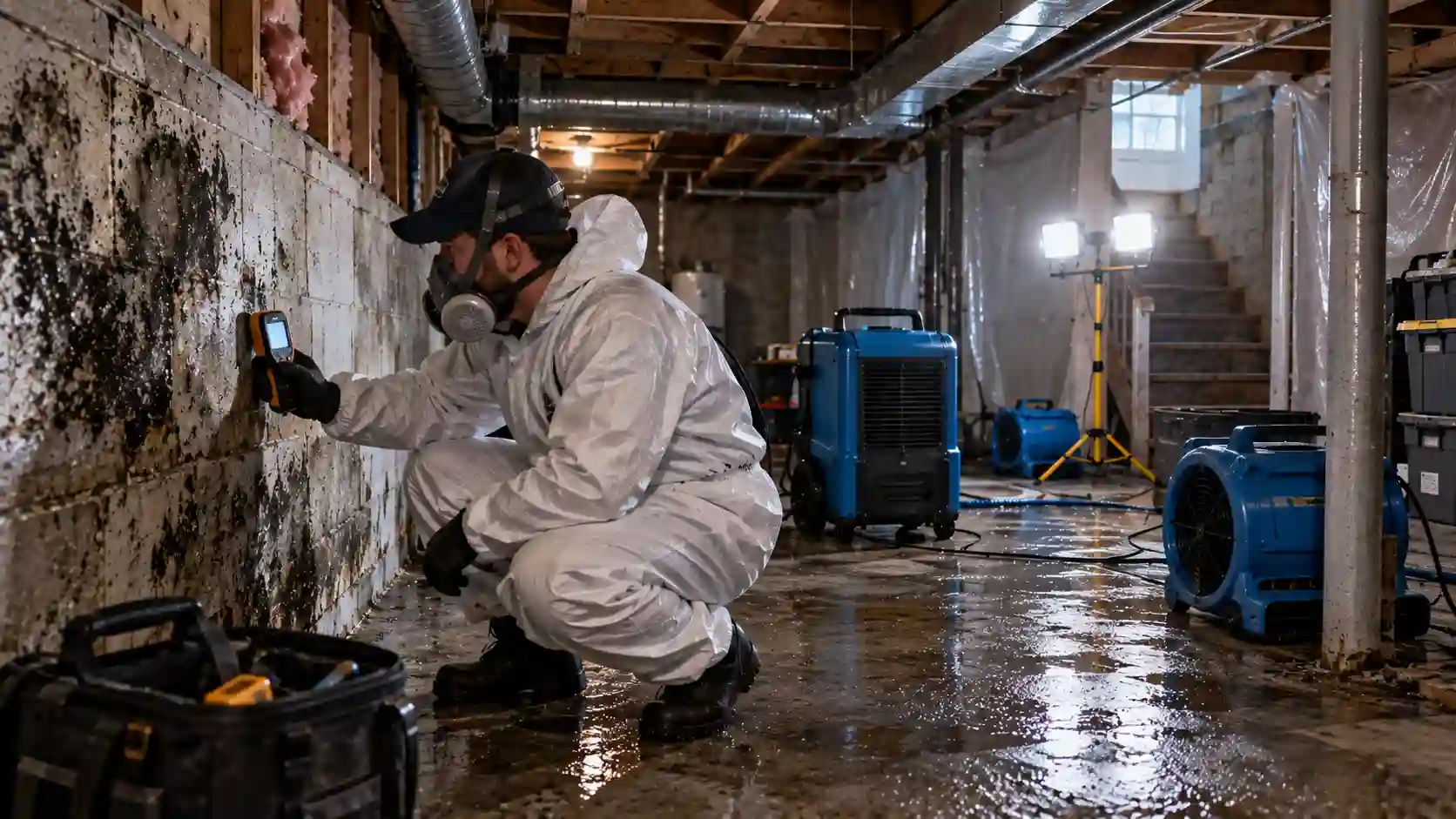
Targeted remediation for Seattle's damp, moisture-prone basements, subfloors, and crawl space foundations.
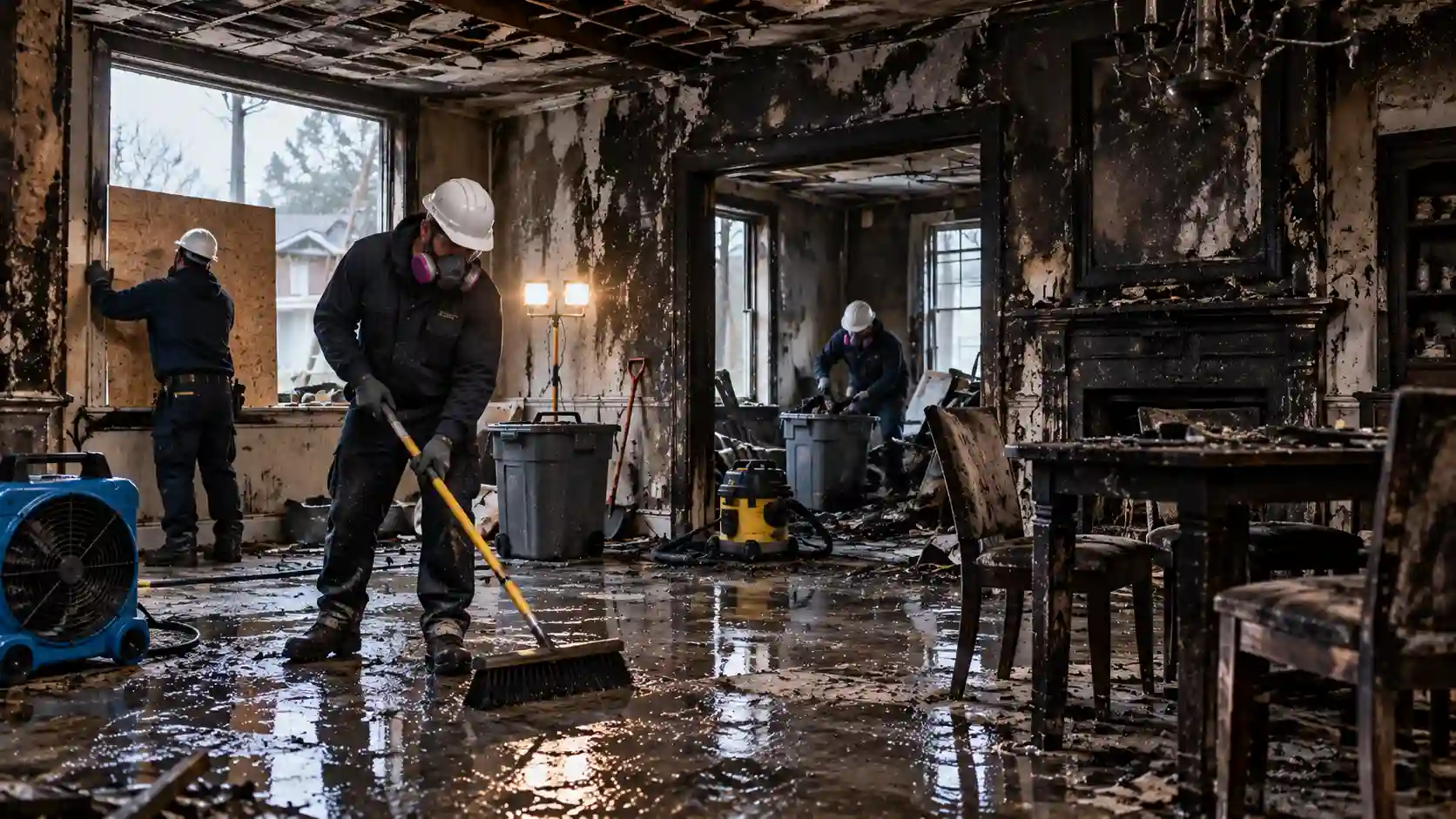
Emergency board-up, structural stabilization, firefighting water extraction, soot cleanup, and complete reconstruction.
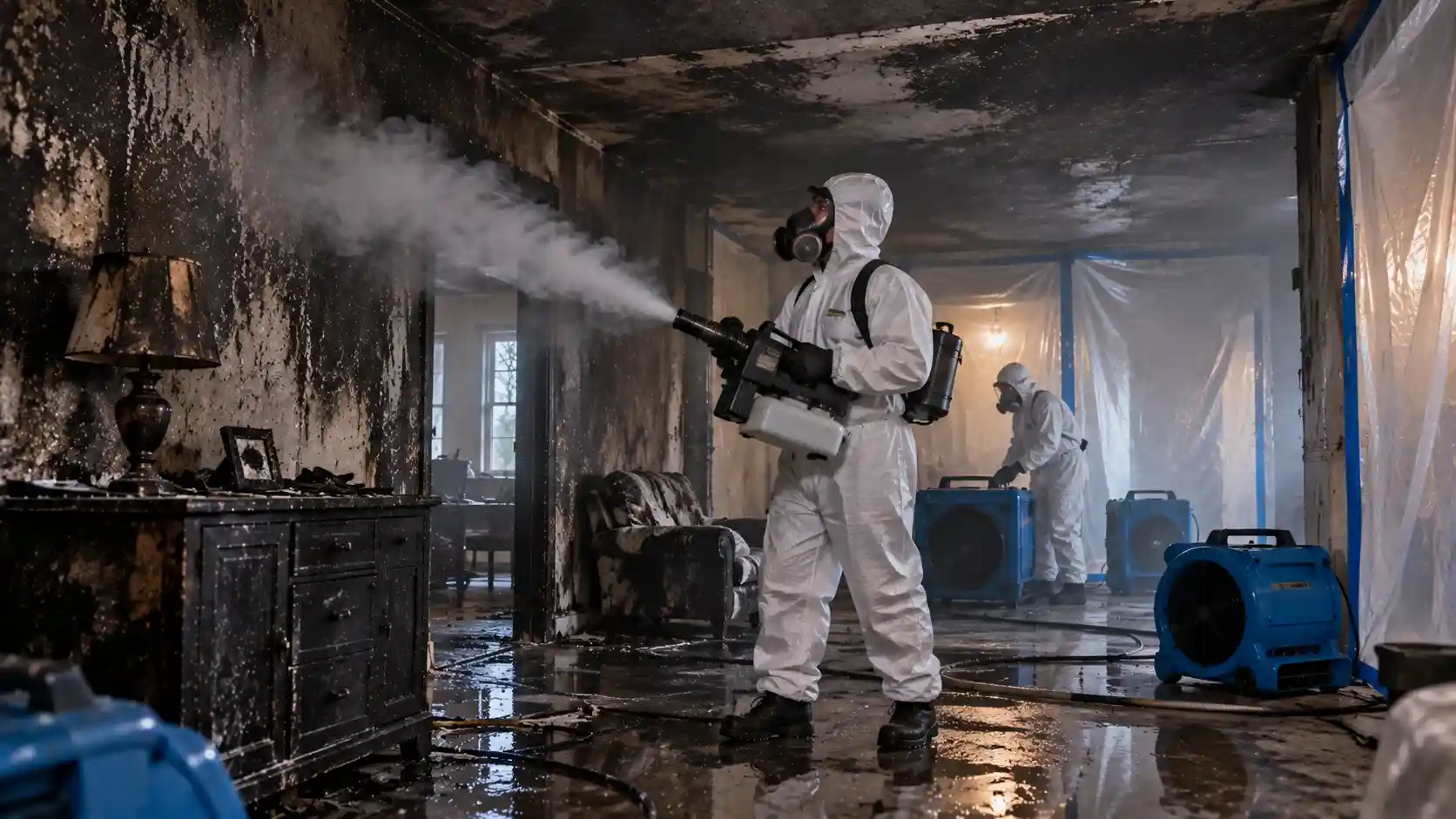
Deep soot removal, ultrasonic content cleaning, and thermal fogging / hydroxyl generator molecular odor neutralization.
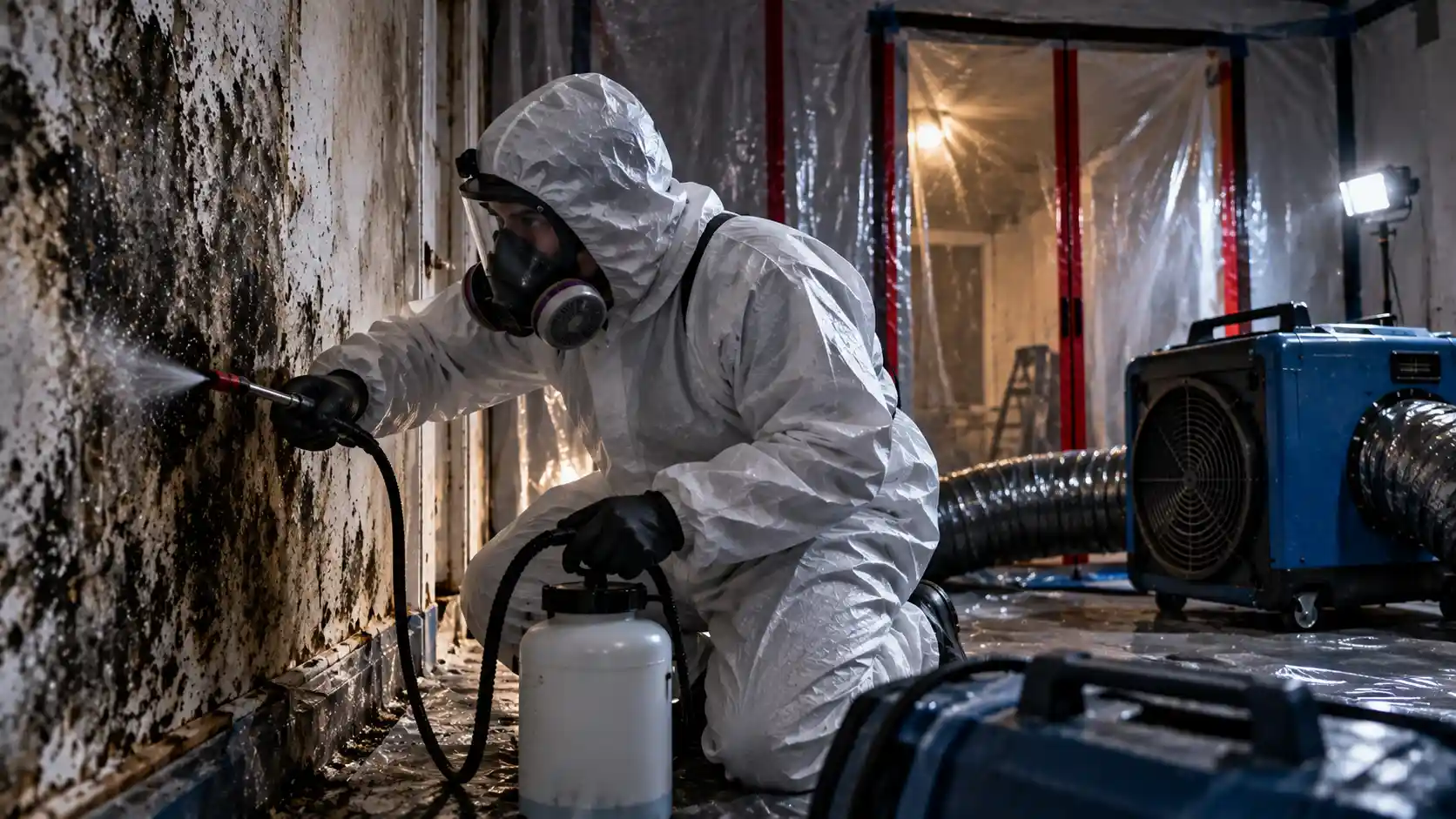
Safe elimination of toxic black mold using strict negative-pressure containment and hospital-grade antimicrobial agents.
Still unsure? Call RapidDry on (206) 555-0199 and describe what has happened in West Seattle.
Not necessarily. Sustained rain can push ground water through foundation joints that stay dry in short showers. The inspection separates a plumbing failure from ground seepage, because the fix and the drying plan differ.
A damp crawl space under an older bungalow can feed musty air into the rooms above without any visible water. Moisture readings under the floor show whether that is happening.
Access is planned per job, including equipment routes and containment that work with the street and entry rather than against them.
Cost follows scope: category, basement or crawl-space area, materials, and whether seepage is involved. The guide below explains the bands; final scope is assessed on site and no figure here is a quote.
Where the loss is contained to the basement, drying is contained there too, with equipment placed to keep the rest of the home usable. Multi-level losses are staged room by room.
Crews travel to West Seattle by road, with the West Seattle Bridge as the primary road link and SR-99 as the other road context. The bridge was closed in 2020 to 2022 for structural repairs; that is history, not a current closure claim. The King County Water Taxi from Seacrest Dock to Downtown is passenger only, not a van route. No arrival time is promised, and no Junction office is claimed on this page.
Beach, bluff, or creek proximity alone does not assign a flood zone. The Puget Sound coastline is an SDCI floodplain corridor category, and Longfellow Creek is an SDCI-named floodplain creek in the Delridge and West Seattle area, but neither maps to a specific address. Check your own address at the FEMA Flood Map Service Center or on the King County iMap flood layer. Risk varies by address, elevation, drainage, and building.
Describe the loss, keep clear of contaminated water, and arrange an on-site inspection with moisture mapping in West Seattle, Seattle.
RapidDry Restoration Seattle | IICRC Certified Firm #684920 | WA License #EMERACR821L9