💧
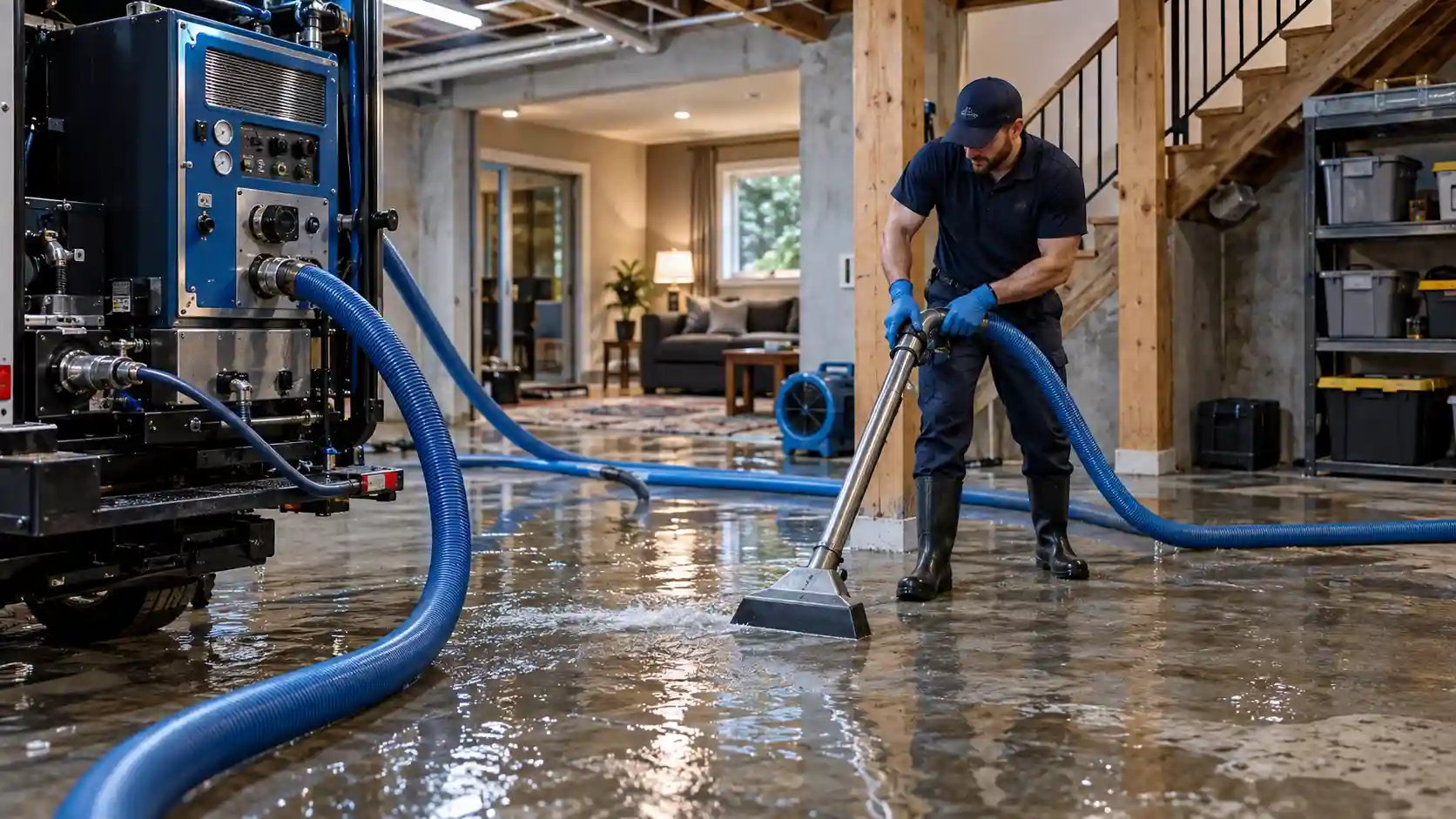
Water Removal & Extraction
High-capacity truck-mounted and portable extraction units clear standing water fast from flooded basements, crawl spaces, and commercial floors.
View Details →24/7 Emergency Water Mitigation · 30-Minute On-Site Arrival · IICRC-Certified
A minor leak can turn into a major structural problem within hours. Water mitigation is the critical emergency phase that stops the damage from spreading — halting the source, extracting standing water, drying saturated materials, and controlling humidity before mold takes hold or your restoration bill multiplies.
RapidDry Restoration Seattle delivers professional water mitigation services across Seattle with a guaranteed 30-minute on-site arrival, IICRC S500 protocols, and direct insurance billing. Whether it's a burst pipe, storm flooding, or an appliance failure, our in-house crews stabilize your property fast — since 2012.
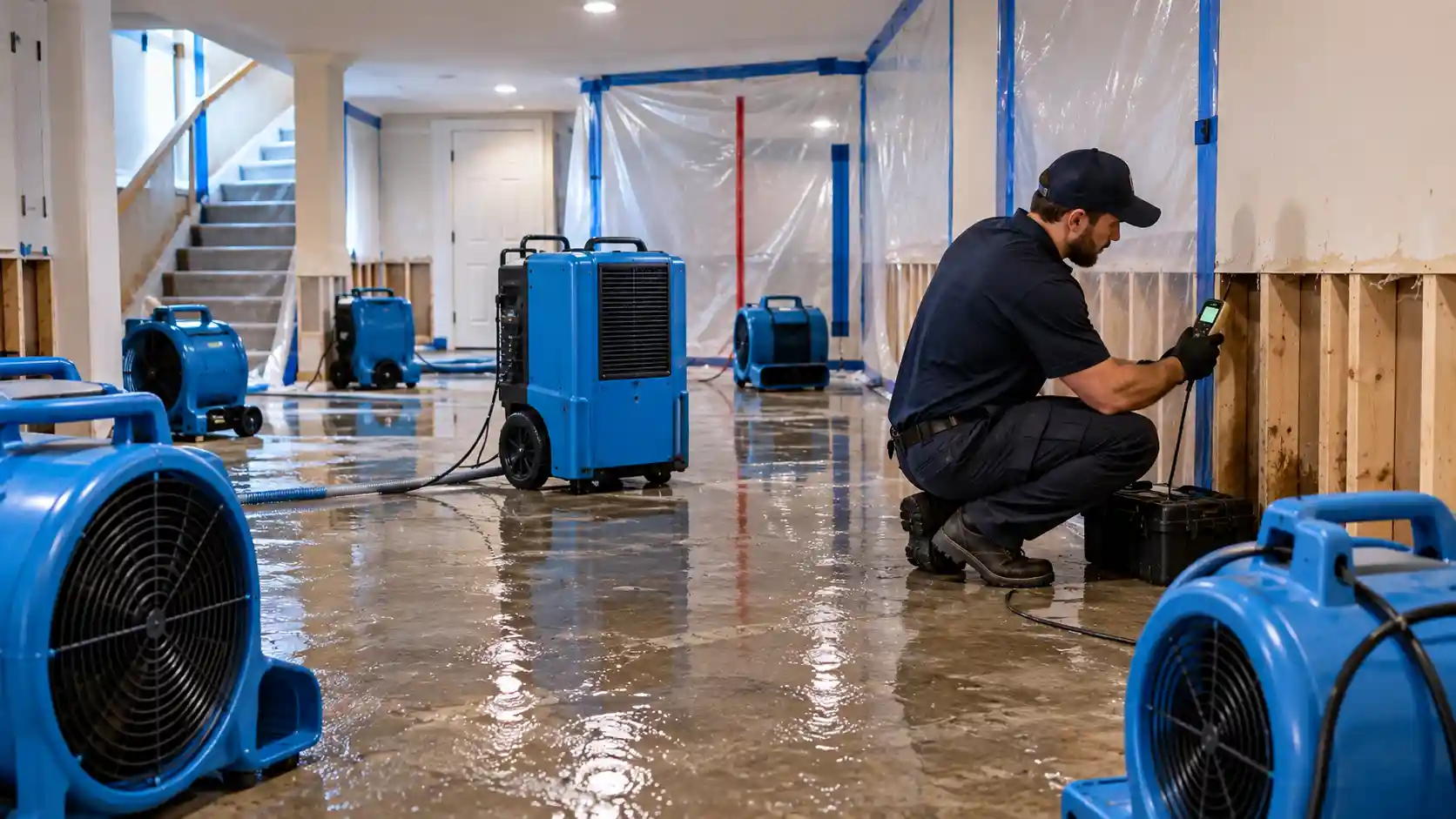
Water penetrates porous materials within minutes — drywall, wood framing, insulation, carpet padding, and subfloor all soak up moisture and hold it long after the visible water is gone. In Seattle's damp, overcast climate, those materials barely dry on their own, and mold can colonize within 24 to 48 hours.
The gap between water intrusion and professional mitigation is what separates a quick, contained stabilization from a full structural rebuild. Fast mitigation lowers humidity, pulls trapped moisture out of building materials, and prevents the warping, staining, weakening, and mold growth that drive costly replacements.
That's why RapidDry guarantees a 30-minute on-site arrival across Seattle — the fastest emergency mitigation response in the market. Our IICRC-certified technicians roll with moisture meters, thermal imaging, air movers, and industrial dehumidifiers ready to stabilize your property the moment we arrive.
Water mitigation is the emergency damage-control phase after a leak, flood, overflow, or storm-related water intrusion. It means taking immediate steps to limit damage: inspecting the loss, stopping the source when safe, extracting standing water, setting drying equipment, removing unsalvageable wet materials when needed, monitoring moisture, and documenting conditions.
Mitigation is not the same as final repair. It reduces risk and controls moisture so cleanup, remediation, and reconstruction can be planned correctly — instead of guessing from what the surface looks like.
Property owners search this constantly, and getting it right matters for your claim and your recovery plan. Here's the clear breakdown:
| Phase | What It Does | Outcome |
|---|---|---|
| Water Mitigation | Stops further damage — source control, extraction, drying, moisture monitoring | Property stabilized |
| Water Remediation | Addresses contamination — mold cleanup, sewage sanitation, material removal, odor control | Hazards removed |
| Water Restoration | Repairs and rebuilds — drywall, flooring, cabinets, finishes | Returned to pre-loss condition |
Cleanup fits between these steps — removal of water-damaged materials, sanitizing, and preparation for repair. Typically, mitigation comes first, followed by any remediation, then full restoration.
For recent water damage, mitigation is the priority — it stops the damage from progressing and prepares your property for what comes next. If the damage has advanced, or involves sewage, mold, or contamination, remediation and restoration follow. RapidDry handles the full path — mitigation through rebuild — so nothing gets handed off between disconnected crews.
Comprehensive mitigation addresses both visible and hidden damage. Every project is customized to the water source, contamination level, affected materials, and how long moisture has been present — the tailored approach that prevents incomplete drying and recurring problems.
Fast stabilization for Seattle homes, condos, and apartments — protecting flooring, drywall, cabinets, and belongings in kitchens, bathrooms, basements, and crawl spaces.
Large-scale extraction and drying that minimizes downtime for offices, retail, restaurants, warehouses, and multi-family properties — with documentation for property managers and tenants.
Rapid response to atmospheric river flooding, burst and frozen pipes, and appliance failures — halting the spread before more rooms are affected.
Targeted drying for Seattle's lower-level spaces where water naturally collects, framing and insulation stay damp, and mold thrives.
Emergency extraction and drying when sump pumps fail or drainage is overwhelmed during heavy Puget Sound rains.
Our specialists create safe, dry, restoration-ready conditions for residential and commercial properties throughout Seattle — with full extraction, drying, dehumidification, moisture monitoring, sanitization, and detailed documentation.
Identifying the source of water damage means faster response and lower risk. Seattle's wet climate, aging plumbing, finished basements, and crawl spaces all raise the need for professional mitigation — some losses hit suddenly, others build gradually behind walls.
Heavy Pacific Northwest rainfall overwhelms gutters, downspouts, storm drains, and basement drainage. Water entering lower levels spreads fast into flooring, framing, insulation, and stored belongings.
Aging pipes, faulty valves, and sudden winter freeze-thaw cycles rupture supply lines — releasing significant water into walls, cabinets, and concealed spaces in older Seattle homes.
Water heater failures, dishwasher leaks, washing machine overflows, and refrigerator supply line breaks cause sudden indoor flooding that migrates under flooring and behind cabinets.
Water naturally accumulates in lower areas. When drainage is overwhelmed or sump pumps fail, water collects rapidly — damaging framing, insulation, and raising humidity throughout the property.
Seattle's fall debris clogs gutters, causing backup that seeps into ceilings, walls, and floors. Aging roofs let rain intrusion saturate attics and ceiling cavities.
A structured process delivers efficient, thorough, well-documented results. Every RapidDry mitigation follows IICRC S500 best practices — inspection, extraction, drying, monitoring, and documentation — so you understand exactly what's damaged and what we've done to stabilize it.
You call, we roll. A certified crew is on-site within 30 minutes, 24/7/365, with extraction and drying equipment ready to run.
We identify the water source, classify the damage category, and map moisture migration paths with thermal imaging and calibrated meters — catching hidden water behind walls, under floors, and inside cabinets.
We stop the water source when safe and isolate the affected area to prevent cross-contamination and protect dry rooms from moisture migration.
High-capacity truck-mounted and portable units rapidly remove standing water from floors, carpets, and hard surfaces — reducing drying time and limiting damage.
Commercial air movers and LGR dehumidifiers dry wet materials and lower indoor humidity. Drying plans may include wall cavity drying, hardwood floor drying, and crawl space drying — because surfaces can look dry while deeper materials stay wet.
We monitor moisture levels with professional meters, adjust equipment as needed, and document everything — photos, moisture logs, and drying records — confirming your property is dry to S500 standards and supporting your insurance claim.
Once moisture is controlled and your property is stabilized, mitigation transitions into the next phase of recovery. Depending on contamination, saturation, and damage, your property may still need cleanup, sanitizing, odor control, material replacement, contents restoration, or full reconstruction.
Some materials can dry in place and be saved. Others — heavily saturated drywall, carpet padding, or contaminated materials — need removal. Because RapidDry handles the entire path from mitigation through rebuild, you're never handed off between disconnected crews. We connect mitigation directly to cleanup, remediation, and restoration — keeping your recovery organized and your insurance documentation consistent from the first call to the final walkthrough.
Controlling moisture is the single most effective way to prevent mold. Mitigation removes standing water, dries affected materials, and regulates humidity — eliminating the conditions mold needs to grow. In Seattle's damp climate, professional-grade equipment is essential; household fans and open windows simply can't dry structural materials fast or thoroughly enough.
Mold thrives in trapped moisture inside drywall, flooring, insulation, and framing — and can begin colonizing within 24 to 48 hours in Puget Sound humidity. Starting mitigation within the first 24 hours dramatically cuts that risk. Our technicians monitor drying progress to confirm materials are drying thoroughly, not just superficially — because surface-dry doesn't mean structurally dry.
After drying, we apply EPA-registered antimicrobial treatments to affected surfaces to reduce microbial risk, and deploy HEPA air scrubbers when the loss involves heavy moisture, odor, or contamination — protecting your indoor air quality throughout the process.
In Seattle's humid, overcast climate, saturated materials barely dry on their own — so every hour without mitigation multiplies the damage and the cost. Here's the timeline you're racing against.
Water wicks deeper into drywall, insulation, subfloor, and framing. Wood swells and warps, laminate buckles, baseboards and trim stain, and load-bearing materials weaken — a serious concern in Seattle's older, pre-1970s homes with porous materials and dated moisture barriers.
Mold spores germinate within 24 to 48 hours in Puget Sound humidity, spreading through wall cavities and threatening indoor air quality. Once mold sets in, mitigation becomes remediation — a bigger, costlier job.
Water reaching wiring, outlets, and electrical systems creates shock and fire risk that lingers even after surfaces look dry.
The longer water sits, the wider the damage zone spreads — and delayed, undocumented response can complicate or reduce your insurance claim. Fast, documented mitigation protects both your property and your payout.
Modern equipment is what makes professional mitigation more effective than DIY — detecting hidden moisture, drying thoroughly, and verifying materials are dry, all while reducing unnecessary demolition. RapidDry crews arrive with commercial-grade technology built for any scale of loss.
High-volume extractors pull standing water from floors, carpets, and hard surfaces fast — reducing saturation and drying time.
Low-grain refrigerant dehumidifiers and axial air movers create controlled drying environments that dry walls, floors, and framing while lowering indoor humidity.
Directs airflow into wall cavities, ceilings, cabinets, and under hardwood floors where standard air movers can't reach — preserving materials and reducing demolition.
Infrared cameras locate moisture behind walls and under floors; moisture meters verify drying progress so nothing hidden gets left wet.
Negative-air machines and EPA-registered disinfectants control airborne particles, odor, and microbial risk during the drying process.
Combined with our IICRC-certified WRT and ASD training, this equipment lets us dry faster, preserve more, and document every reading for your insurance claim.
Beyond contamination category, the IICRC classifies every loss by Class — how much water is present and how fast it evaporates. The Class determines how much drying equipment we deploy and how long mitigation takes. Knowing yours is the difference between a job dried right and one that grows mold behind the wall.
| Class | Saturation Level | What It Means for Mitigation |
|---|---|---|
| Class 1 | Minimal | Small area, low absorption — fastest, most contained dry-out |
| Class 2 | Significant | Water wicked up walls under 24"; carpet and cushion saturated — more air movers and dehumidification |
| Class 3 | Greatest | Water from overhead — saturated ceilings, walls, insulation, and subfloor — maximum drying deployment |
| Class 4 | Specialty | Trapped water in hardwood, plaster, and concrete — requires Injectidry and specialty drying systems |
RapidDry classifies both the category (contamination) and class (saturation) of every Seattle loss on arrival, then builds the mitigation and drying plan around it — precise, documented, and matched to your property.
Professional mitigation follows recognized industry standards — and that training matters, because every water loss involves different materials, moisture levels, safety risks, and contamination concerns. IICRC certification is your assurance that technicians know how to classify water correctly, dry structures properly, and document the job to support your claim.
IICRC-certified technicians are trained in water damage mitigation, structural drying, contamination control, and industry best practices under the S500 standard — the benchmark for water restoration. That expertise protects both your property and your health: certified pros accurately assess water categories and classes, detect hidden moisture, set drying equipment correctly, and monitor progress to verified goals.
RapidDry is an IICRC Certified Firm (#684920) staffing WRT, ASD, and AMRT-trained technicians. We're WA-licensed (#EMERACR821L9), bonded, and insured to $2M — and every job follows established mitigation protocols, thorough assessment, effective drying, and detailed documentation.
Water damage is stressful enough without fighting your insurer over paperwork. RapidDry documents your entire loss and bills your carrier directly — so you focus on your family, not the claim.
From the first inspection, we capture photos, moisture readings, drying logs, affected-material notes, and scope details. This organized documentation gives your carrier and adjuster exactly what they need — and protects your claim against disputes or reductions.
Most Washington State homeowners policies cover sudden, accidental water damage like a burst pipe or appliance failure. We coordinate directly with your adjuster and carrier — State Farm, Allstate, USAA, Farmers, Geico, Liberty Mutual, and more — and offer flexible, zero-interest financing for anything not covered.
Mitigation cost depends on the volume of water, the size of the affected area, the materials involved, and the contamination level. Clean water from a supply line is simpler than a Category 3 sewage backup. Every RapidDry estimate is property-specific and written down before any work begins.
| Cost Factor | Why It Affects Price |
|---|---|
| Amount of standing water | More water means longer extraction time |
| Water category | Sewage or contaminated water requires extra safety measures |
| Affected materials | Hardwood, carpet, drywall, and insulation dry differently |
| Hidden moisture | Wall cavities and subfloors may need specialized drying |
| Equipment duration | Longer drying periods increase cost |
| Damage Level | Estimated Cost |
|---|---|
| Minor (Category 1, contained area) | $500 – $1,500 |
| Moderate (multi-room, standard drying) | $1,500 – $5,000 |
| Severe (large-scale, contaminated, or specialty drying) | $5,000+ |
Most policies cover sudden, accidental water damage. Coverage may differ for external flooding, prolonged leaks, or sewage backup. Our thorough documentation — photos, moisture readings, and drying logs — supports your claim and streamlines the process.
Choosing the wrong crew means incomplete drying, hidden mold months later, and denied claims. Here's why Seattle trusts RapidDry to stabilize it right the first time.
| Trust Factor | The RapidDry Standard |
|---|---|
| Response Time | Guaranteed 30-minute on-site arrival — fastest in Seattle |
| Certifications | IICRC Certified Firm #684920 — WRT, ASD & AMRT technicians |
| Licensing | WA License #EMERACR821L9 · Bonded & Insured to $2M |
| Crews | In-house, fully vetted — never unscreened subcontractors |
| Equipment | Truck-mounted extraction, Injectidry, thermal imaging, LGR drying |
| Insurance | 100% direct billing — we document and advocate for you |
| Full Path | Mitigation through rebuild — one connected team |
| Reputation | 4.9⭐ (184+ reviews) · BBB A+ · Google Guaranteed · EPA Lead-Safe · RIA |
Real, certified mitigation experts — accountable, local, and on every job.
Founder & Master Restoration Architect
IICRC Master Water Restorer (#182049). Mark founded RapidDry in 2012 and sets the mitigation and drying standard for every job we run.
Director of Operations & Insurance Liaison
Xactimate Level 3 Estimator. Sarah works directly with your adjuster — documenting every loss to maximize your covered claim and keep out-of-pocket costs down.
Lead Structural Drying Superintendent
IICRC AMRT & EPA Lead-Safe certified. David leads our structural drying crews, ensuring every mitigation meets IICRC S500 standards before we call it done.
From clean-water leaks to Category 3 sewage floods and fire-and-water combined losses — one Seattle crew, every phase of recovery.
High-capacity truck-mounted and portable extraction units clear standing water fast from flooded basements, crawl spaces, and commercial floors.
View Details →
Immediate structural stabilization, containment barriers, and rapid dehumidification to stop water migration and cut total restoration cost.
View Details →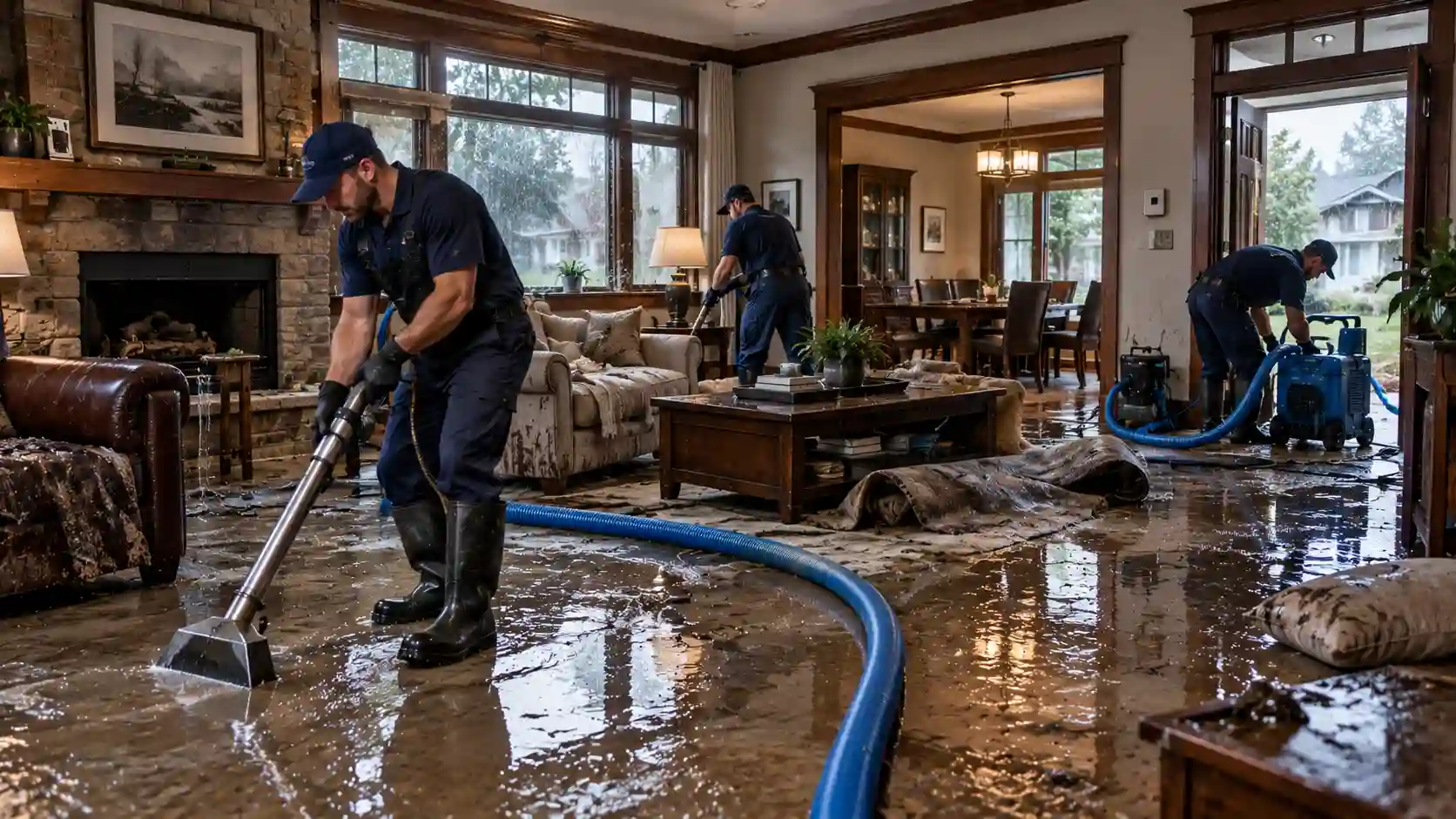
Full recovery from storm surges, groundwater intrusion, and atmospheric river flooding with deep sanitization.
View Details →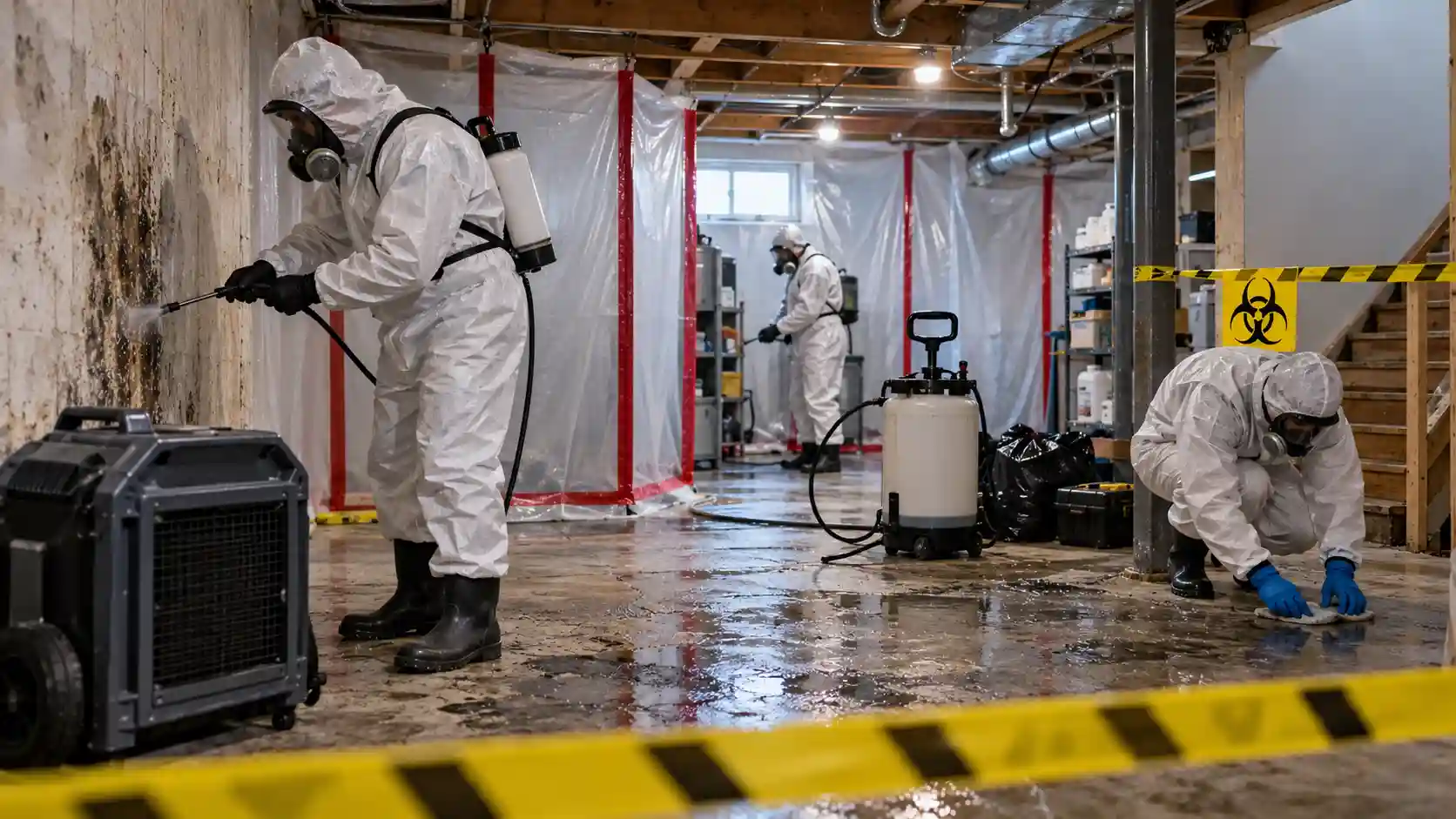
Safe Category 3 black-water removal, biohazard containment, and hospital-grade disinfection to strict EPA standards.
View Details →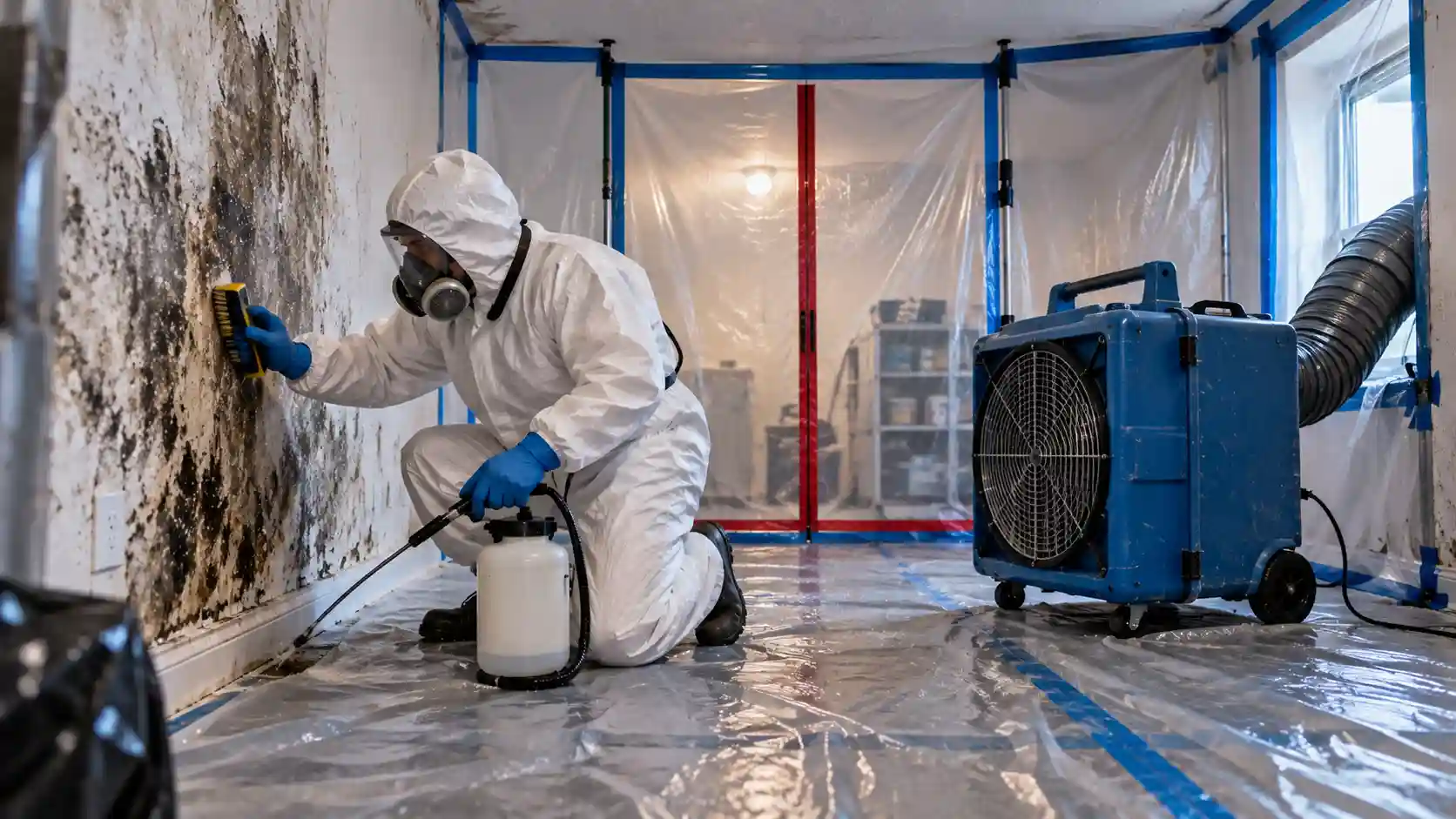
Comprehensive mold inspection, negative-air containment chambers, HEPA filtration, safe removal, and clearance verification.
View Details →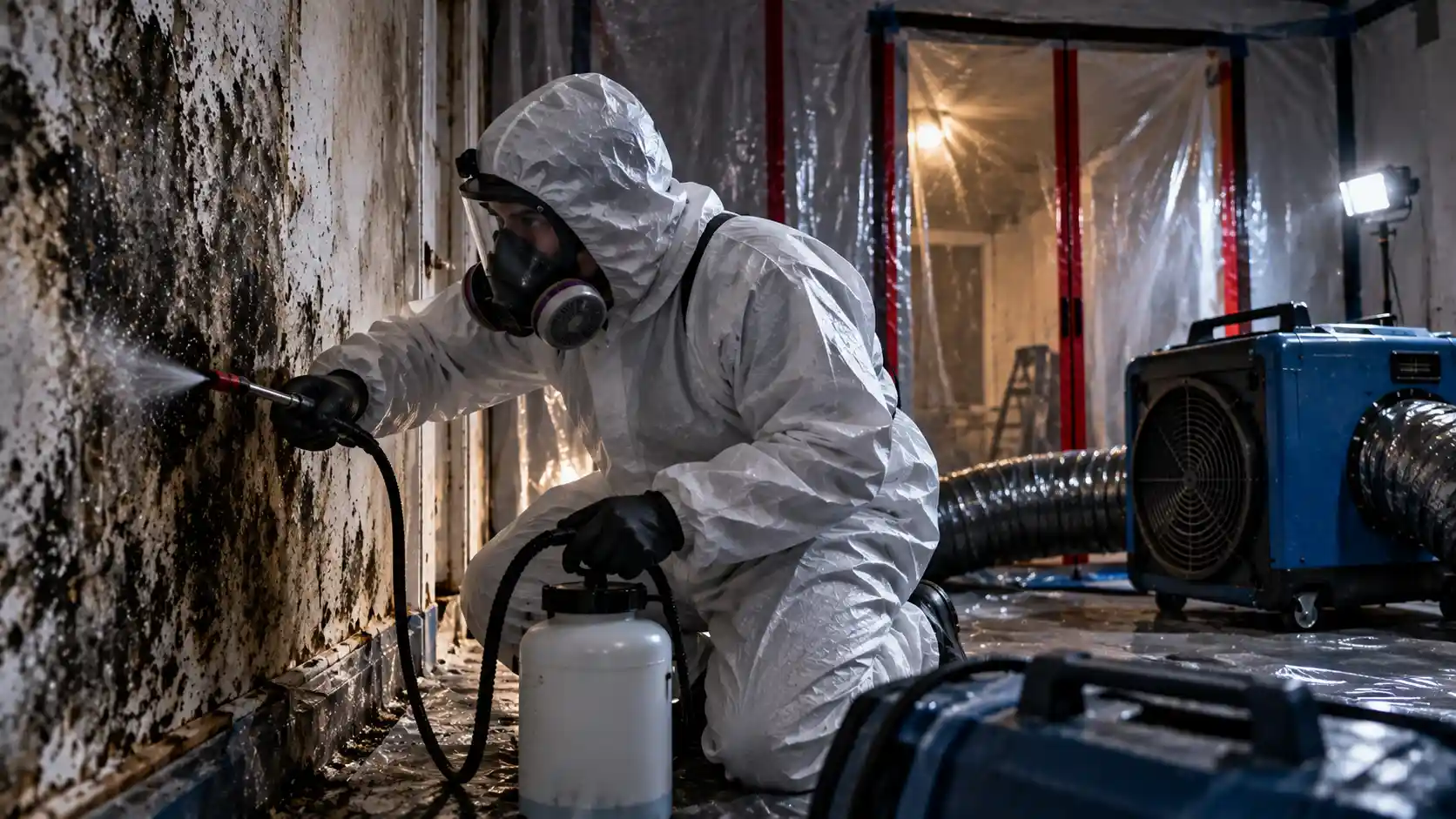
Safe elimination of toxic black mold using strict negative-pressure containment and hospital-grade antimicrobial agents.
View Details →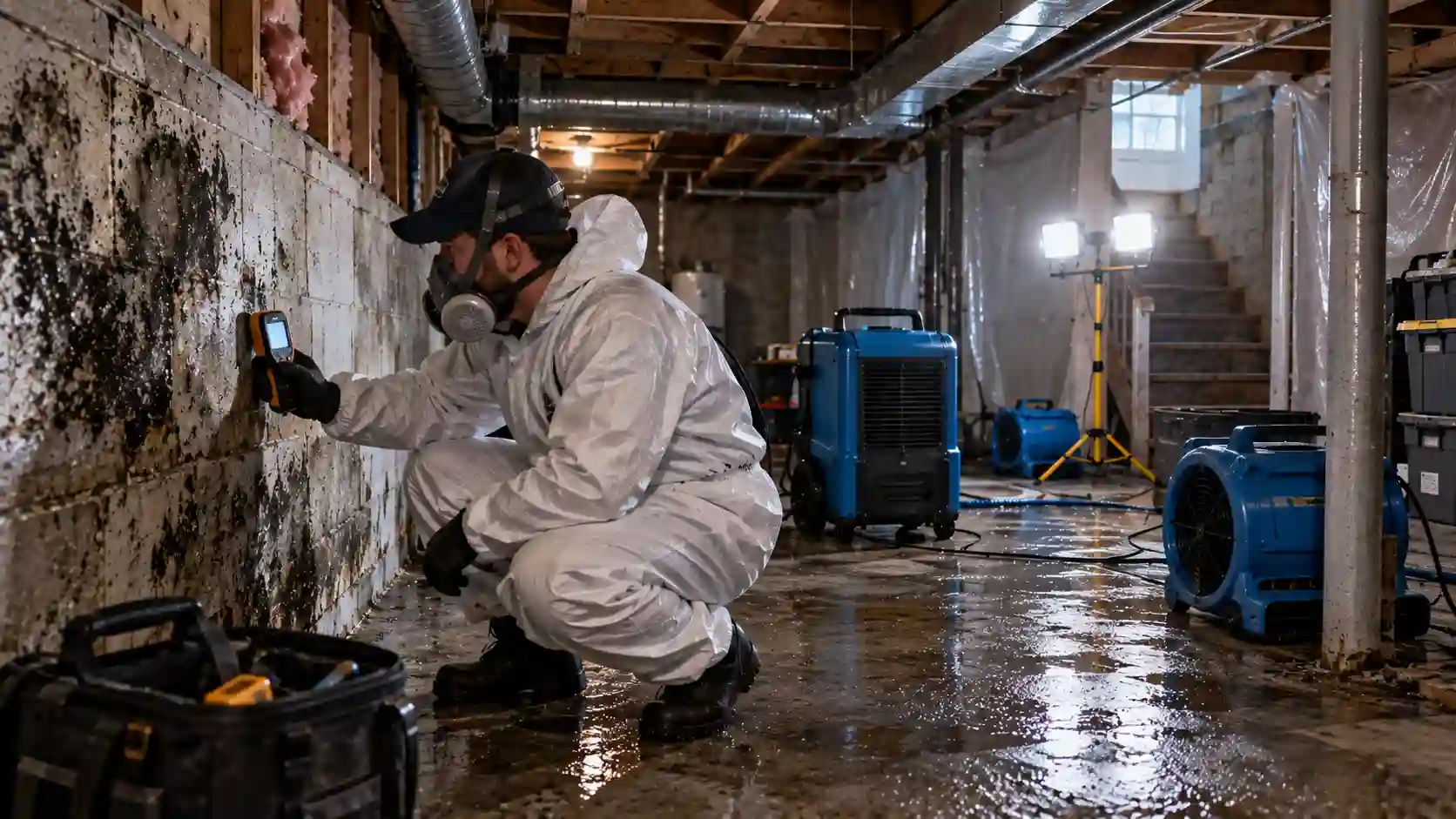
Targeted remediation for Seattle's damp, moisture-prone basements, subfloors, and crawl space foundations.
View Details →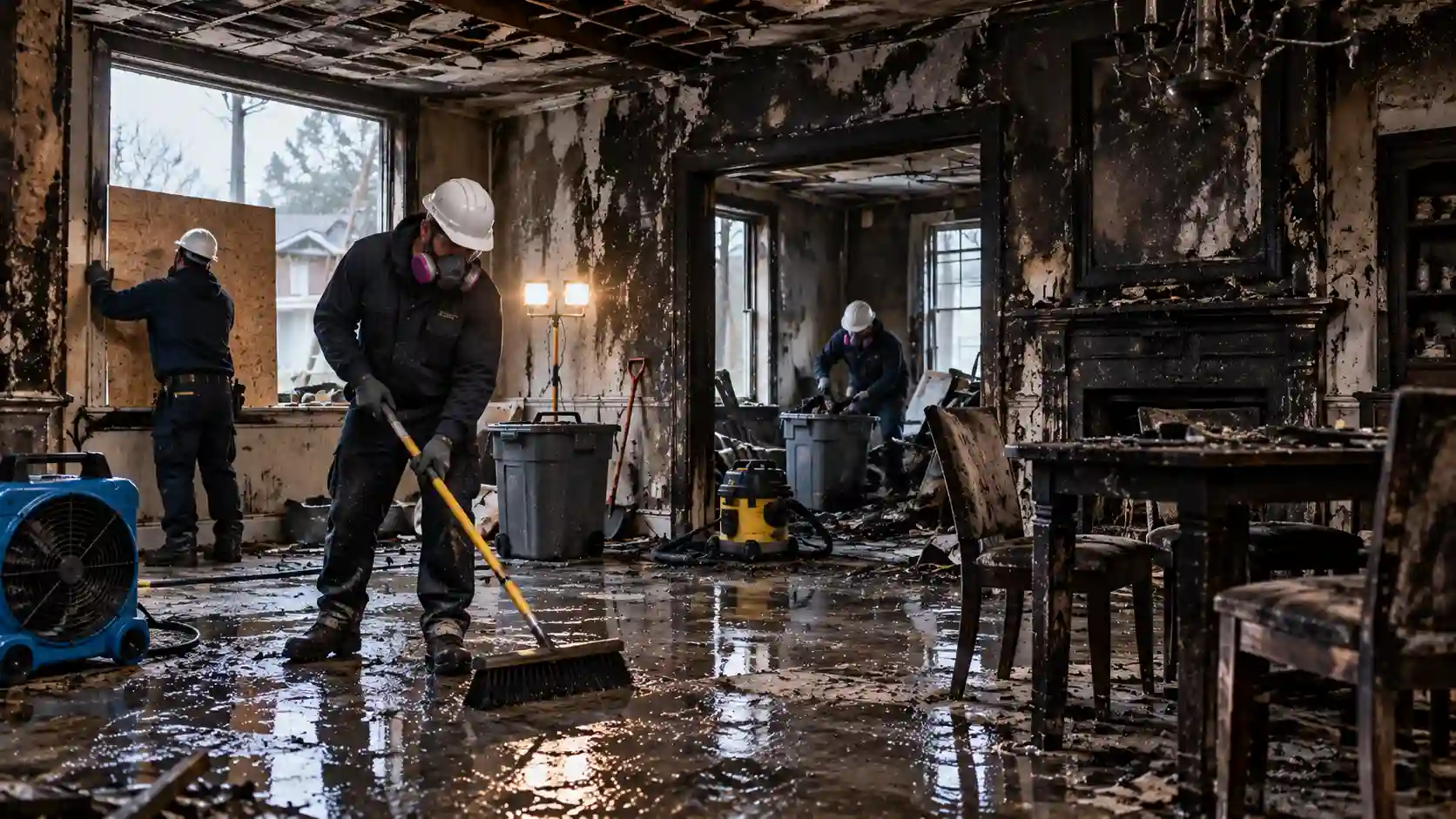
Emergency board-up, structural stabilization, firefighting water extraction, soot cleanup, and complete reconstruction.
View Details →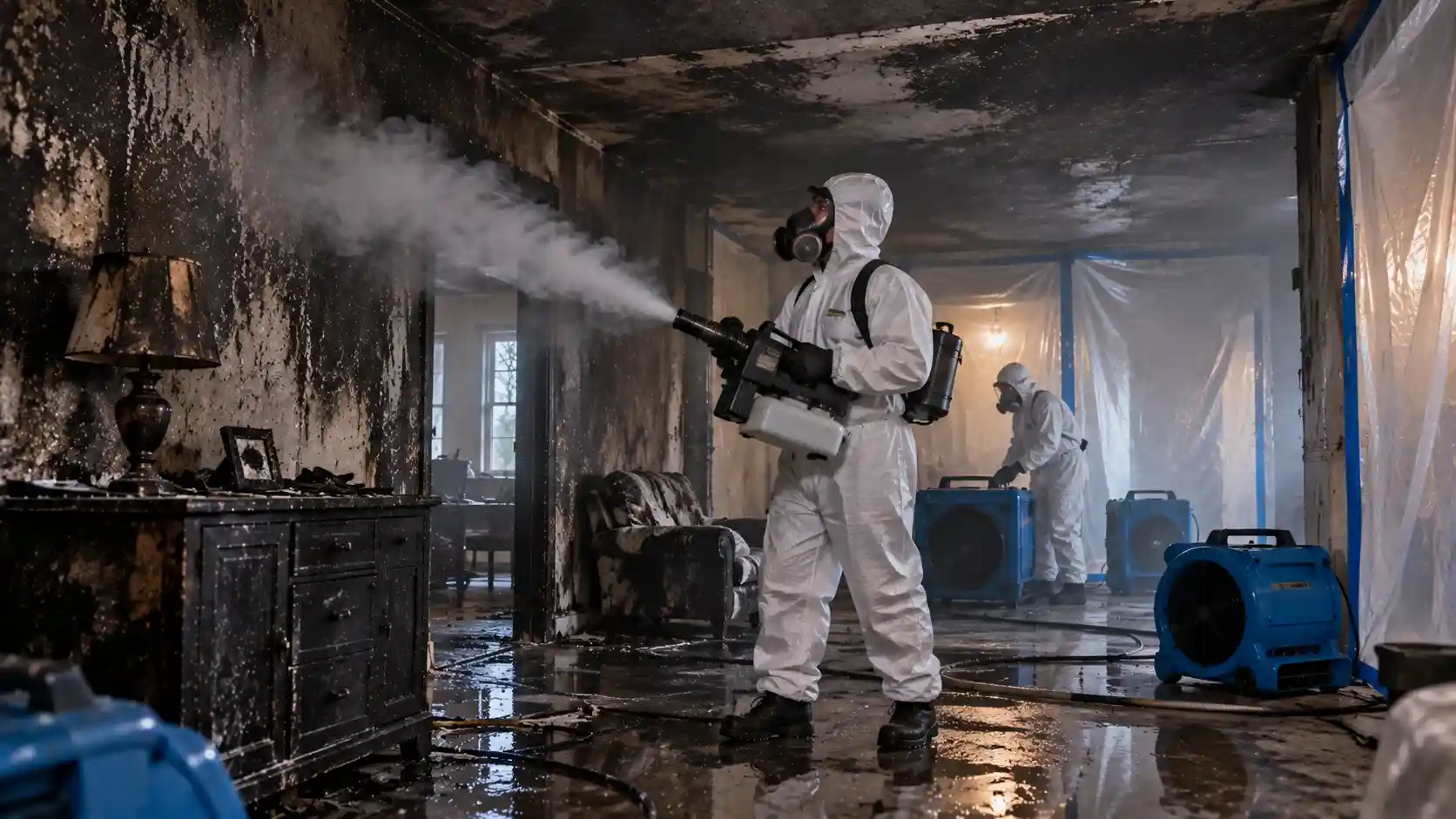
Deep soot removal, ultrasonic content cleaning, and thermal fogging / hydroxyl generator molecular odor neutralization.
View Details →Get a certified crew on-site in 30 minutes.
RapidDry crews respond in 30 minutes across the entire metro. Find your neighborhood below.
Emergency water mitigation for Ballard homes & businesses
Rapid mitigation response across Capitol Hill
30-minute water mitigation in Queen Anne
Certified water mitigation in West Seattle
Fast mitigation for Fremont properties
Water damage mitigation in Green Lake
High-rise & commercial mitigation downtown
Emergency mitigation in SLU
Fast mitigation for Beacon Hill homes
Water mitigation across Columbia City
Certified crews in Rainier Valley
Commercial & home mitigation in Georgetown
30-minute mitigation in Leschi
Water mitigation for Magnolia properties
Rapid response in the U-District
Emergency mitigation in Wallingford
Don't see your neighborhood? Call (206) 555-0199 — if it's in Seattle, we're on our way.
Water mitigation is the emergency process of stopping water damage from spreading. It involves identifying the source, removing standing water, drying wet materials, and controlling indoor moisture — protecting walls, flooring, framing, belongings, and air quality before damage escalates.
As fast as possible — ideally within the first 24 hours. Materials absorb moisture within minutes and mold can start within 24 to 48 hours in Seattle's humid climate. RapidDry guarantees a 30-minute on-site arrival, 24/7/365.
Mitigation stops further damage (extraction, drying, stabilization). Remediation removes contamination (mold, sewage, damaged materials). Restoration repairs and rebuilds to pre-loss condition. Mitigation comes first; RapidDry handles all three.
Minor spills, maybe — but significant water damage needs professional equipment and training. Household fans can't dry structural materials thoroughly, and hidden moisture behind walls fuels mold. Certified mitigation prevents costly recurring problems.
Standing water extraction is usually done within the first hours; full structural drying typically takes 3 to 5 days depending on the water category, class, and materials. We log daily moisture readings until it's dry to IICRC S500 standards.
Most WA homeowners policies cover sudden, accidental water damage like a burst pipe or appliance failure. Coverage may differ for external flooding or prolonged leaks. We document everything and bill your insurer directly.
Look for guaranteed fast response, IICRC certification, in-house crews, thorough documentation, and direct insurance billing. RapidDry delivers all five — with a 30-minute arrival and 4.9-star rating across Seattle.
Truck-mounted and portable extractors, LGR dehumidifiers, commercial air movers, Injectidry systems for wall cavities and hardwood, thermal imaging cameras, moisture meters, and HEPA air scrubbers.
Classes 1–4 measure how much water is present and how fast it evaporates — from minimal (Class 1) to specialty drying of hardwood and concrete (Class 4). The class determines how much equipment we deploy and how long drying takes.
Yes — rapid extraction, thorough drying, and humidity control eliminate the conditions mold needs. Starting within 24 hours dramatically reduces the risk of mold colonizing behind walls and under floors.
Once stabilized, your property may need cleanup, sanitizing, material replacement, or reconstruction. RapidDry connects mitigation directly to restoration — no handoff between disconnected crews.
Yes. We handle offices, retail, restaurants, warehouses, multi-family, and healthcare properties across Seattle — with large-scale drying, flexible scheduling, and full documentation to minimize downtime.
Still unsure?
Template section. No new award name is claimed in this section. Real award names still need owner confirmation.
Washington contractor licence as stated on current site pages.
IICRC-certified firm as stated on current site pages.
Certified restoration crews as stated on current site pages.
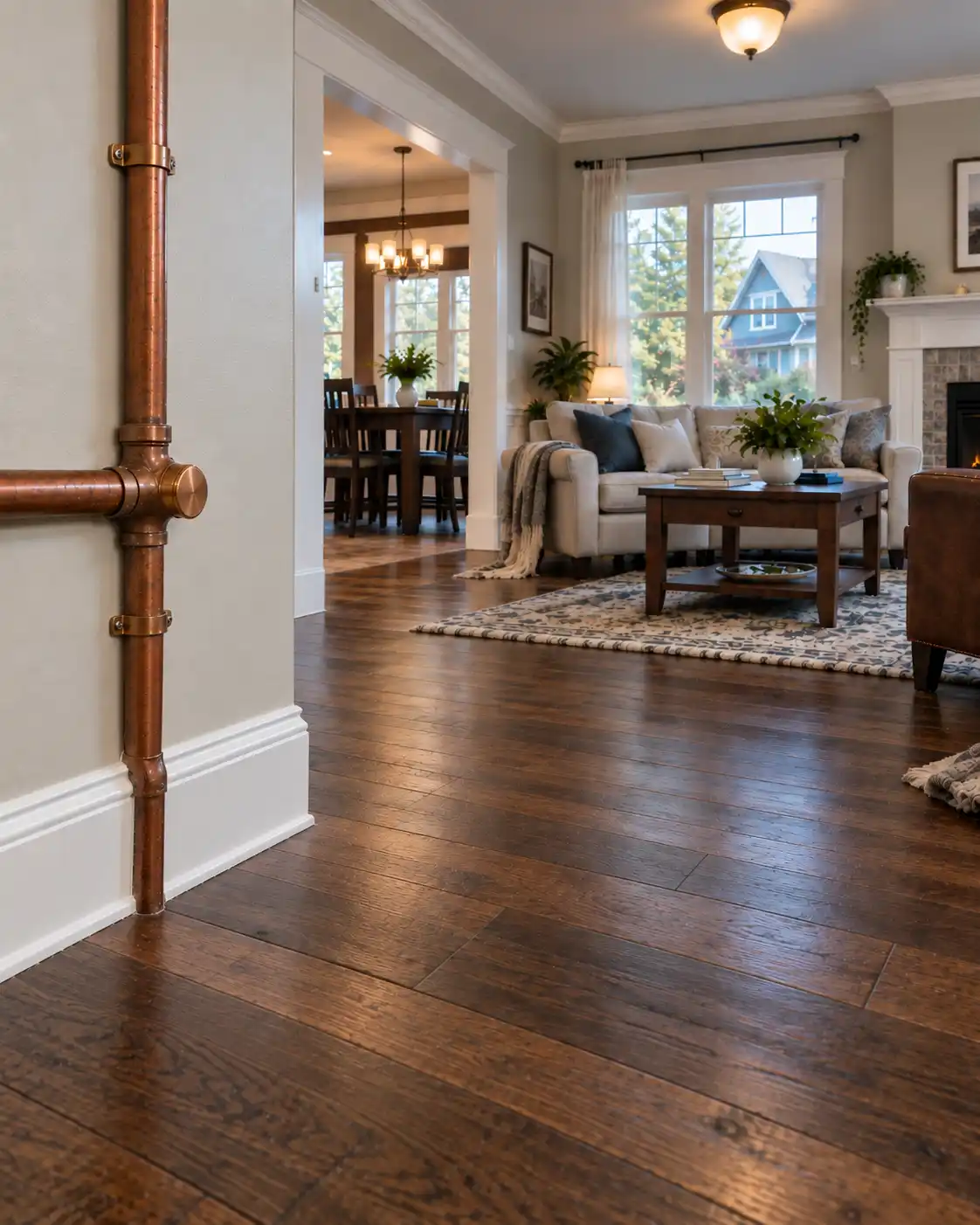
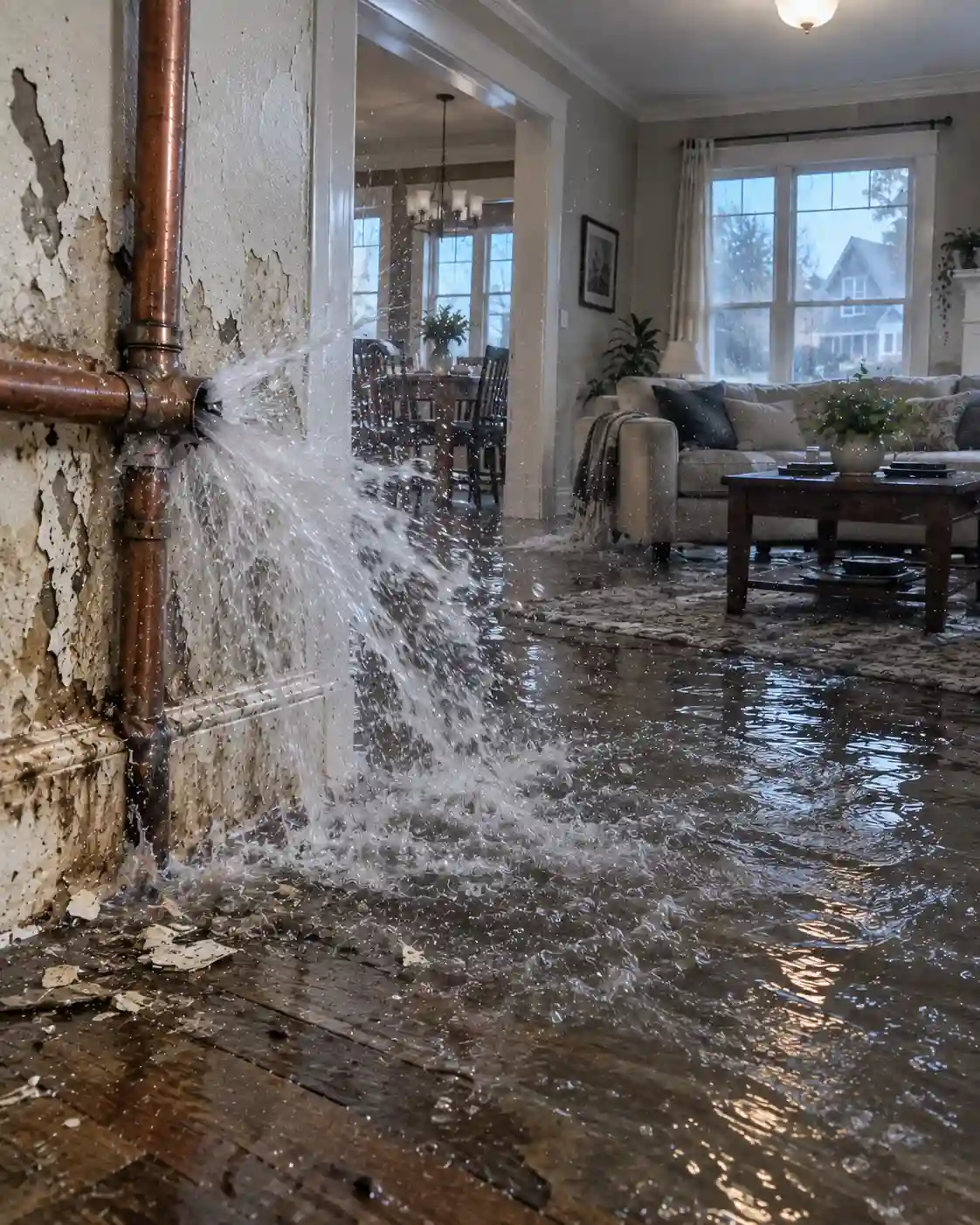
Template section. Images below are the homepage Before/After sets 1 and 2 only. No new jobs are shown.
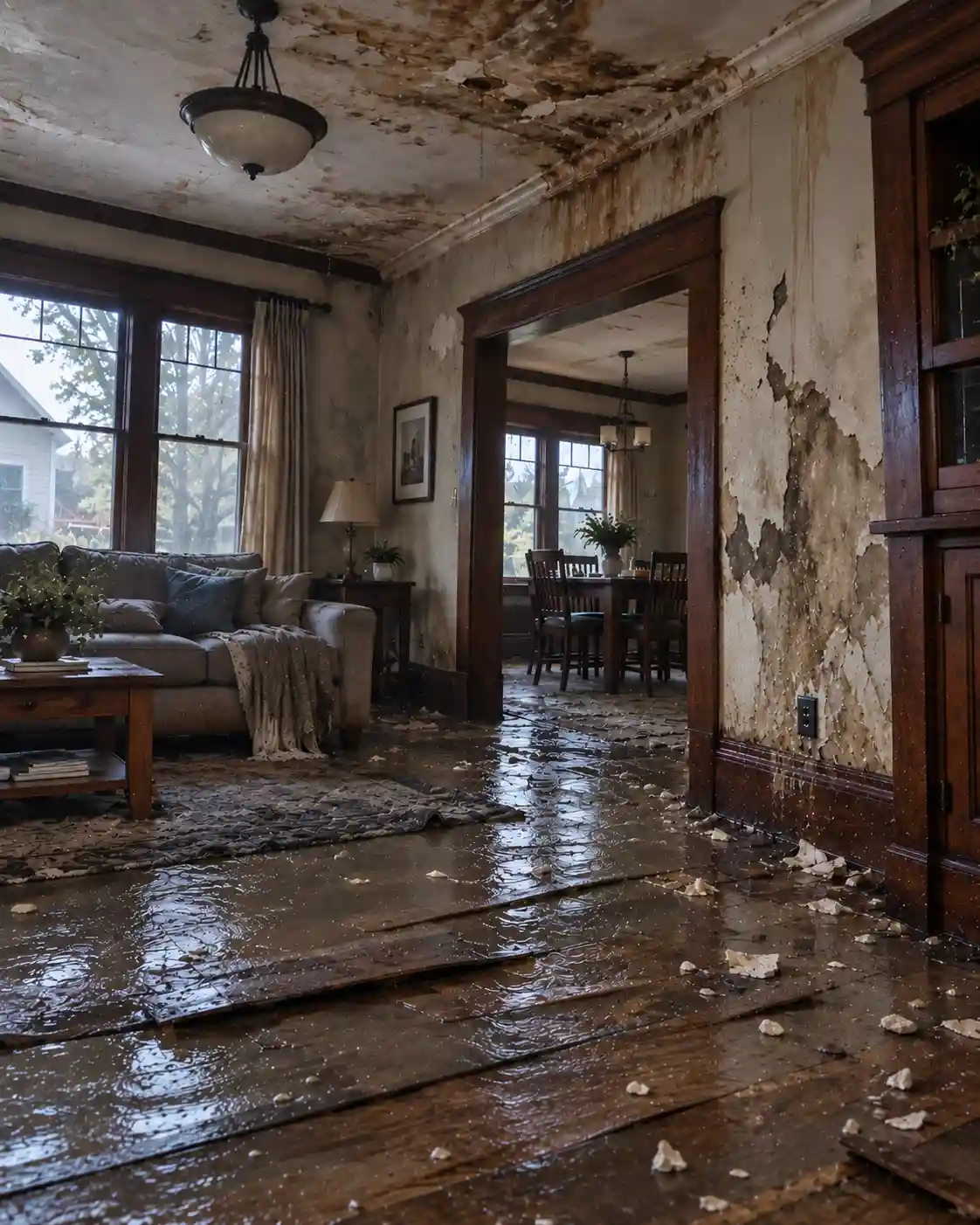
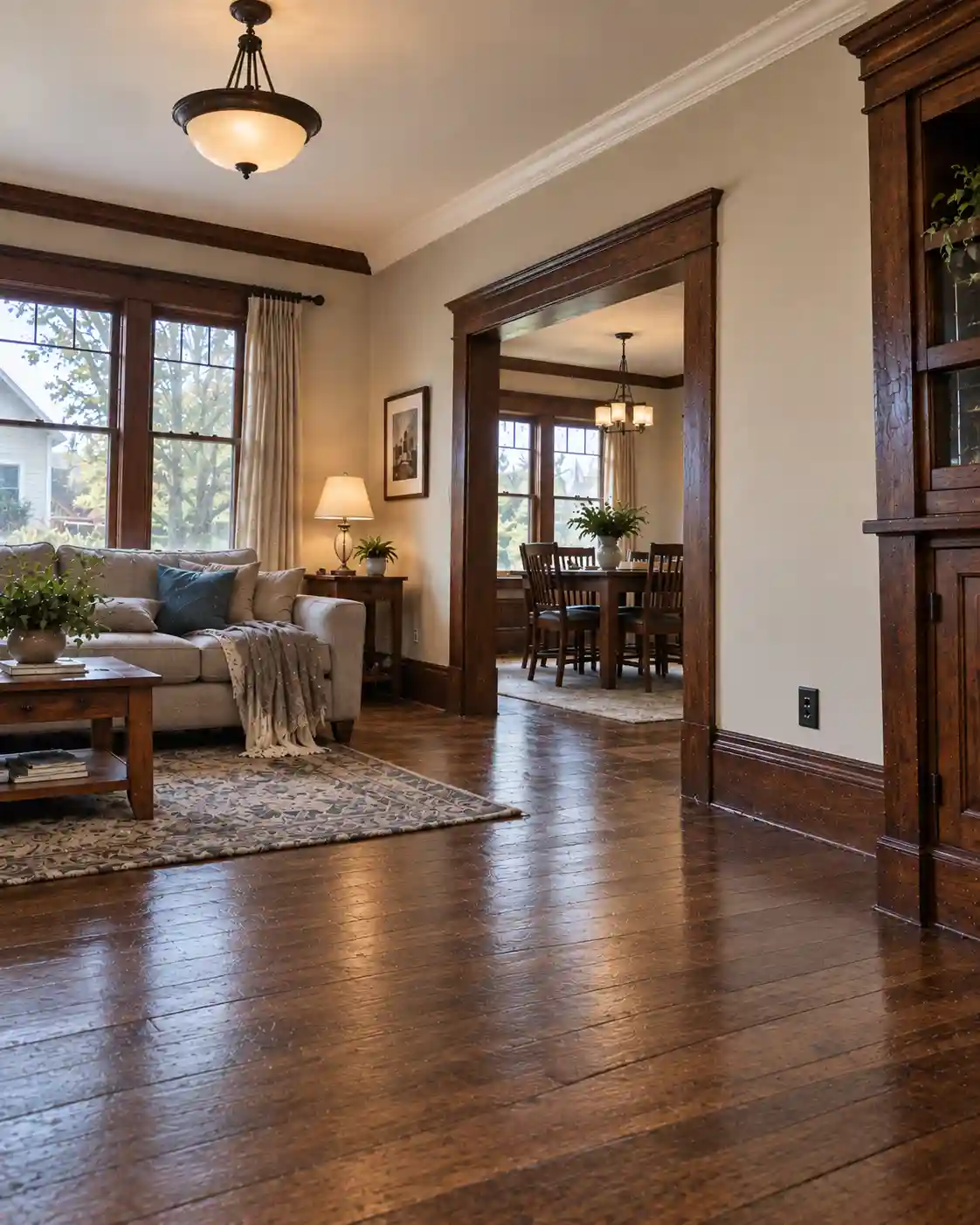
Water damage only gets worse — and more expensive — with every hour. Our IICRC-certified crews are standing by 24/7 with a guaranteed 30-minute response, free on-site inspection, thermal imaging assessment, and direct insurance billing.