💧
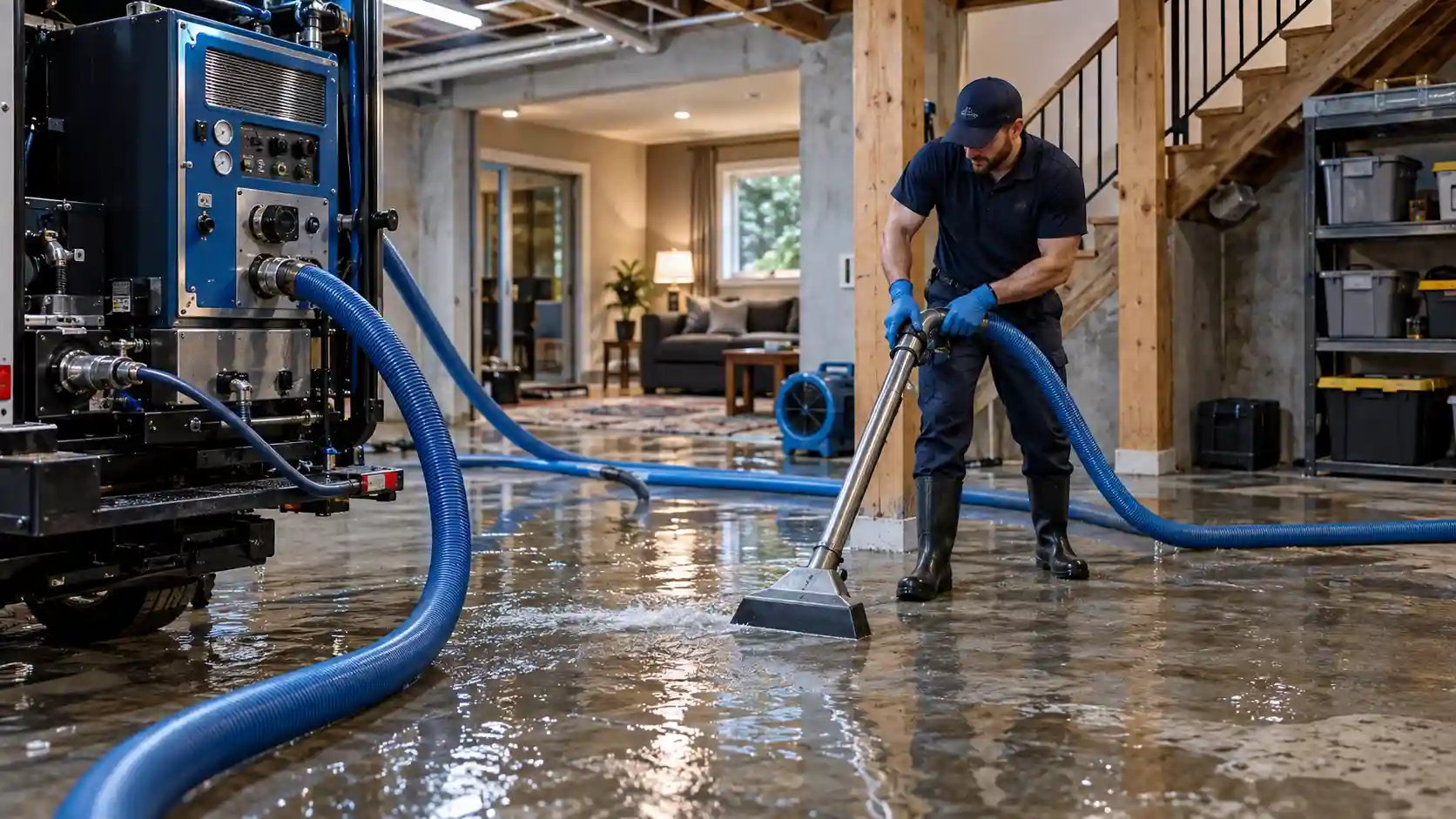
Water Removal & Extraction
High-capacity truck-mounted and portable extraction units clear standing water fast from flooded basements, crawl spaces, and commercial floors.
View Details →30-Minute Response · Soot Removal, Odor & Air Quality · Direct Insurance Billing
The fire's out — but the smoke isn't done. Acidic soot keeps corroding surfaces, odor embeds deeper into walls and fabrics by the hour, and smoke particles spread through your HVAC into rooms that never saw a flame. Wiping it down or spraying air freshener doesn't fix it — it just hides a problem that keeps getting worse.
RapidDry Restoration Seattle delivers complete smoke and soot damage restoration across Seattle — with a 30-minute response, soot removal matched to your exact residue type, molecular-level odor elimination, and full air-quality restoration. We remove the smoke damage at the source, not the smell at the surface.
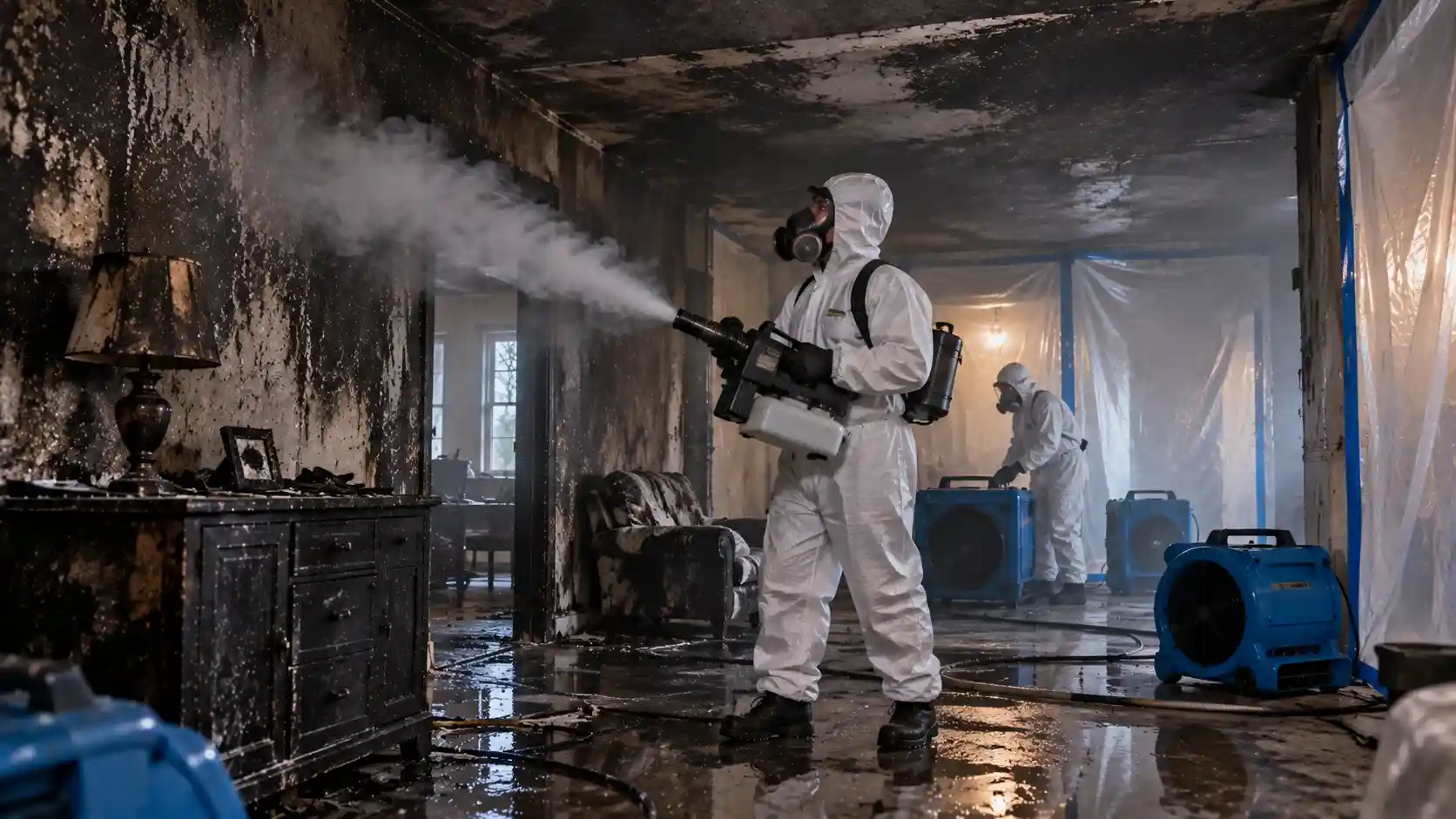
Most people underestimate smoke. They see a fire contained to one room and assume the rest of the house is fine — then weeks later the odor's still there, the walls are yellowing, and the electronics are corroding. Smoke and soot are the sneakiest, most far-reaching damage a fire leaves behind, and they need specialized treatment that surface cleaning can't touch.
Smoke isn't only an odor — it's a complex mix of carbon particles, chemicals, and combustion byproducts that settle on every surface and infiltrate every cavity. Acidic soot etches glass and corrodes metal within hours. Odor molecules bury themselves in drywall, insulation, carpet, upholstery, and ductwork. And it all keeps working long after the visible smoke is gone. Removing it takes identifying the soot type, cleaning the right way for each surface, and neutralizing odor at the molecular level — not masking it.
RapidDry responds in 30 minutes across Seattle — the fastest in the market — with IICRC-certified crews trained in smoke, soot, and odor restoration. We've served Seattle homes and businesses since 2012 as an IICRC-Certified Firm (#684920), WA-licensed, bonded, and insured to $2M. (For structural fire, char, and reconstruction, see our dedicated Fire Damage Restoration page.)
Smoke damage is the contamination left behind when combustion byproducts — soot, ash particles, and odor compounds — settle onto and penetrate your property's surfaces, materials, and air. Soot is the fine black or greasy residue; odor is the molecular signature trapped in porous materials. Together they cause staining, corrosion, respiratory hazards, and a persistent smell that surface cleaning never resolves.
Here's what makes smoke so deceptive: it travels. Smoke rises, follows air currents, and circulates through your HVAC system — carrying soot and odor into rooms, closets, wall cavities, and ducts far from where the fire actually burned. A bedroom on the opposite side of the house can hold as much smoke contamination as the room that caught fire. That's why a real restoration assessment covers the whole property, not just the visible burn area.
Soot is acidic and chemically active. Left in place, it:
Etches and corrodes — glass, metal, chrome fixtures, and electronics within hours to days
Permanently stains — walls, ceilings, and porous surfaces the longer it sits
Yellows and degrades — painted surfaces and plastics
Embeds odor deeper — into drywall, insulation, and fabrics, making it harder to remove every day
The window to save materials closes fast — which is exactly why a 30-minute response beats a next-day one.
Here's what separates a real restoration company from someone with a rag and a bucket: not all soot is the same, and using the wrong cleaning method makes it permanent. The right approach depends entirely on the type of soot — which depends on what burned and how hot. Our crews identify the residue type before touching a surface.
Produced by fast-burning, high-heat fires (paper, wood). It's dry, powdery, and easier to wipe — but it lodges deep in cracks, crevices, and porous surfaces. Requires dry-sponge and HEPA-vacuum techniques; wiping with water smears it and drives it in.
From slow, smoldering, low-heat fires (plastics, rubber). It's thick, sticky, greasy, and smeary, with a strong pungent odor. It spreads widely and is the hardest to clean — requires specialized solvents and careful controlled removal to avoid staining.
From burned food and grease. Often nearly invisible but leaves a strong, stubborn odor and a thin greasy film that discolors paint and varnish. Requires enzyme-based cleaning and thorough deodorization — invisible doesn't mean harmless.
From furnace puff-backs and burned synthetics. Highly acidic, corrosive, and staining — demands neutralizing agents and immediate treatment to stop metal and surface damage.
Smoke doesn't sit politely on the surface — it works its way into your home's materials, which is why a wipe-down leaves the odor behind. Understanding where it hides is the whole difference between a cleanup that lasts and one that fails in two weeks.
Porous and soft materials act like sponges for smoke: drywall, insulation, carpet, carpet padding, upholstery, curtains, mattresses, and wood absorb soot particles and odor compounds deep into their structure. Smoke also penetrates wall cavities, gets pulled into the HVAC system and ductwork, and coats the inside of vents — turning your heating and cooling system into an odor distributor that recontaminates "clean" rooms every time it runs.
This is why professional restoration treats the whole system: surface cleaning for hard materials, deep extraction or replacement for saturated porous ones, HVAC and duct decontamination, and molecular odor neutralization for what's embedded. Miss any one of these, and the smell comes back.
Smoke and soot aren't just a property problem — they're a health one. Fine soot particles are small enough to be inhaled deep into the lungs, and soot from synthetic materials carries carcinogenic compounds. Living or working in a smoke-contaminated space keeps you breathing those particles long after the fire.
Common effects of ongoing smoke and soot exposure include coughing, throat and sinus irritation, worsened asthma and allergies, burning eyes, headaches, and respiratory infections. The risk is far higher for children, the elderly, pregnant women, and anyone with asthma, COPD, or a compromised immune system — which is why smoke contamination should never be left to "air out" on its own.
⚠️ Disturbing soot without HEPA filtration and protective gear spreads fine particles through the air — one of the biggest reasons DIY smoke cleanup does more harm than good.
Smoke damage isn't always obvious — especially in rooms away from the fire. Watch for these.
Black, gray, or greasy film on walls, ceilings, and surfaces
A persistent smoky odor that returns whenever it's warm or humid
Yellowing or discoloration of paint, plastics, and fixtures
Corrosion or tarnish on metal, chrome, and electronics
Soot streaks around vents, outlets, and door frames (air-movement paths)
Hazy or filmy residue on glass and mirrors
Thought you handled it and the smell came back? These mean smoke damage is still there:
Odor returns when the heat or HVAC runs
Smell intensifies in humid weather or closed rooms
Recurring throat or eye irritation indoors
Residue reappears on surfaces you already cleaned
Odor lingers in closets, fabrics, and upholstery
Smoke that "keeps coming back" isn't coming back — it was never fully removed. It's still embedded in porous materials and ductwork.
Smoke damage doesn't fade with time — it sets in. Every day it's left untreated, the harder and more expensive it becomes to reverse.
Acidic soot keeps etching glass, corroding metal and electronics, and staining walls and ceilings permanently. What could've been cleaned in week one needs replacing by week three.
Fine soot particles keep circulating through your air and HVAC system, degrading the air your family breathes and triggering respiratory symptoms that don't let up.
Odor compounds embed further into drywall, insulation, and fabrics over time — reaching a point where materials have to be removed and replaced rather than cleaned.
The longer contamination sits, the wider it spreads and the more it costs — and delayed, undocumented damage can complicate your insurance claim.
Every phase of smoke recovery, handled in-house by one certified team — from emergency response to final air-quality clearance.
30-minute arrival, 24/7/365, to contain contamination and stop soot from setting and spreading further.
Method matched to your exact soot type — dry-sponge, HEPA vacuuming, solvents, or enzyme cleaning — removing residue without smearing or staining.
Molecular-level deodorization with thermal fogging, hydroxyl, and ozone treatment — neutralizing odor at the source, not masking it.
Decontaminating your ductwork and HVAC system so it stops recirculating soot and odor into clean rooms every time it runs.
Deep cleaning of walls, ceilings, and structural surfaces — plus sealing and repainting where soot has penetrated or stained.
Inventory, cleaning, and deodorization of smoke-affected belongings — with secure storage while your property is restored.
Full assessment of visible and hidden smoke contamination — including rooms far from the fire — with air-quality testing to confirm the space is truly clean.
Air fresheners, candles, and "odor-eliminating" sprays don't remove smoke smell — they cover it for a few hours while the real source keeps releasing it. Smoke odor comes from microscopic molecules embedded deep in porous materials, and the only way to eliminate it is to reach and neutralize those molecules at their source.
Professional deodorization matches the method to the material and severity:
Thermal Fogging — recreates the conditions that let smoke penetrate, sending a deodorizing fog into the same cracks, pores, and cavities the smoke reached — neutralizing odor where it actually lives.
Hydroxyl Generators — safe for occupied spaces, they break down odor molecules chemically while restoration continues.
Ozone Treatment — for severe, unoccupied jobs, ozone oxidizes and destroys odor compounds completely.
Deep Surface Cleaning & Sealing — surfaces are cleaned and, where needed, sealed to lock down any residual odor before repainting.
We choose the right combination for your property — not a one-size spray-and-pray.
The single most common reason smoke odor "comes back" is untreated ductwork. Smoke gets pulled into the HVAC system, coats the ducts, and gets blown back into every room the moment the system runs. We decontaminate the HVAC and ductwork as a standard part of odor removal — because a job that skips it is a job that fails.
Every RapidDry smoke project follows the same structured sequence — because soot removal, cleaning, and deodorization done in the wrong order just spreads contamination and locks in odor.
A certified crew is on-site in 30 minutes, 24/7/365, to contain the contamination before soot sets and spreads.
We assess the full extent of contamination — including rooms far from the fire — and identify the soot type (dry, wet, protein, fuel) to determine the correct cleaning method.
Sealed barriers and protected pathways isolate the work area, keeping soot and airborne particles from spreading to clean areas during cleanup.
Industrial HEPA air scrubbers run continuously, capturing airborne soot particles down to 0.3 microns and cleaning the air throughout the process.
Dry-sponge, HEPA vacuuming, specialized solvents, or enzyme cleaning — matched to each soot type and surface — removing residue without smearing or staining.
Walls, ceilings, fixtures, and structural surfaces are deep-cleaned; corroded metals are treated and stained surfaces prepped for sealing and repaint.
Thermal fogging, hydroxyl, and ozone treatment neutralize embedded odor at the source, plus full HVAC and ductwork decontamination.
Belongings are cleaned and deodorized, surfaces sealed where needed, and air-quality testing confirms the space is truly clean before we call it done.
Smoke reaches your belongings even when flames don't — furniture, clothing, electronics, documents, keepsakes. But smoke-damaged rarely means lost. Before anything is discarded, we inventory and assess every item, saving what we can and documenting the rest for your claim.
| ✅ Items We Can Usually Restore | ❌ Items That Typically Need Replacement |
|---|---|
| Hard furniture, metals, and glass | Heavily soot-saturated upholstery |
| Electronics and appliances (post-assessment) | Porous items with deep embedded odor |
| Clothing and textiles (specialized laundering) | Mattresses and heavily contaminated soft goods |
| Documents, photos, and artwork | Food, cosmetics, and open perishables |
| Dishes, cookware, and hard-surface items | Charred or melted materials |
| Jewelry and hard-surface valuables | Items with structural or heat damage |
Salvageable contents are cleaned with ultrasonic and specialized methods, deodorized, and stored securely until your property's ready — then returned. Everything is documented to support your insurance claim.
Smoke behaves differently depending on the building — and Seattle's housing stock and climate make smoke damage here trickier than most regions. Local knowledge isn't a nice-to-have; it changes how the job has to be done.
Much of Seattle was built between 1950 and 1985, and older balloon-frame construction lacks horizontal fire blocking — so smoke and soot travel vertically through wall cavities and spread far beyond the origin, hiding in places a surface inspection misses. In multi-unit buildings — condos, apartments, mixed-use — smoke migrates between units through shared walls, ductwork, and chases, meaning contamination often reaches neighbors' spaces and demands coordinated, containment-focused cleanup.
And Seattle's persistent humidity works against you: damp air makes smoke odor linger longer and penetrate deeper into porous materials than in drier climates, so odor that seems handled resurfaces every humid stretch unless it's neutralized at the molecular level. Our crews account for all of it — the construction, the shared-air pathways, and the climate — so the smoke's actually gone, not just quiet until the next warm, wet week.
Smoke leaves your home unsafe to breathe and impossible to ignore. We remove soot from every affected surface, decontaminate your HVAC, restore contents, and eliminate odor at the source — across single-family homes, condos, townhomes, and apartments. You get clear communication at every step and a home that's genuinely clean, not just masked.
Smoke contamination shuts businesses down — it drives away customers, threatens employee health, and taints inventory. RapidDry restores offices, retail spaces, restaurants, warehouses, multi-family buildings, and healthcare facilities with rapid response, coordinated containment, and full documentation for property managers and insurers — minimizing downtime so you reopen fast and clean.
Smoke restoration cost depends on the soot type, how far contamination spread, the materials affected, whether HVAC decontamination and repainting are needed, and contents restoration. Every RapidDry estimate is written, itemized, and property-specific — the price we quote is the price you pay.
| Cost Factor | Why It Affects Price |
|---|---|
| Soot type & severity | Wet and protein soot take more time and specialized methods than dry soot |
| Spread of contamination | Smoke reaching multiple rooms or units means more cleaning |
| HVAC & duct cleaning | Decontaminating ductwork adds scope but prevents recontamination |
| Odor neutralization | Thermal fogging, hydroxyl, or ozone based on severity |
| Surface sealing & repaint | Stained or penetrated surfaces need sealing and repainting |
| Contents restoration | Cleaning and deodorizing belongings |
| Scope | Typical Cost Range |
|---|---|
| Minor (contained, light soot, one room) | $1,500 – $4,000 |
| Moderate (multiple rooms, HVAC, odor treatment) | $4,000 – $12,000 |
| Severe (widespread, heavy soot, contents + repaint) | $12,000 – $30,000+ |
Most Washington homeowners policies cover smoke damage from a sudden, covered fire event — including soot cleanup, odor removal, and affected contents. We document everything and bill your insurer directly, with financing available for anything not covered.
Anyone can wipe a wall and spray air freshener. Here's why Seattle trusts RapidDry to actually remove smoke damage — and prove it's gone.
| Trust Factor | The RapidDry Standard |
|---|---|
| Response Time | Guaranteed 30-minute arrival — the fastest in Seattle |
| Certifications | IICRC Certified Firm #684920 — trained in smoke & soot restoration |
| Method-Matched Cleaning | Soot removal matched to residue type — never one-size-fits-all |
| Odor at the Source | Molecular deodorization + HVAC decontamination — not masking |
| Verification | Air-quality testing confirms the space is truly clean |
| Crews | In-house, fully vetted — never unscreened subcontractors |
| Insurance | 100% direct billing — we document and advocate for you |
| Reputation | 4.9⭐ (184+ reviews) · BBB A+ · Google Guaranteed · EPA Lead-Safe · RIA |
Founder & Master Restoration Architect
IICRC Master Water Restorer (#182049). Mark founded RapidDry in 2012 on one principle: solve it at the source and prove it's solved — no masking, no shortcuts.
Director of Operations & Insurance Liaison
Xactimate Level 3 Estimator. Sarah works directly with your adjuster — documenting the full scope of smoke contamination to support your claim and keep out-of-pocket costs down.
Lead Structural Drying Superintendent
IICRC AMRT & EPA Lead-Safe certified. David leads our cleaning and decontamination crews, ensuring soot, residue, and odor are fully removed and air quality is verified before the job is closed.
From clean-water leaks to Category 3 sewage floods and fire-and-water combined losses — one Seattle crew, every phase of recovery.
High-capacity truck-mounted and portable extraction units clear standing water fast from flooded basements, crawl spaces, and commercial floors.
View Details →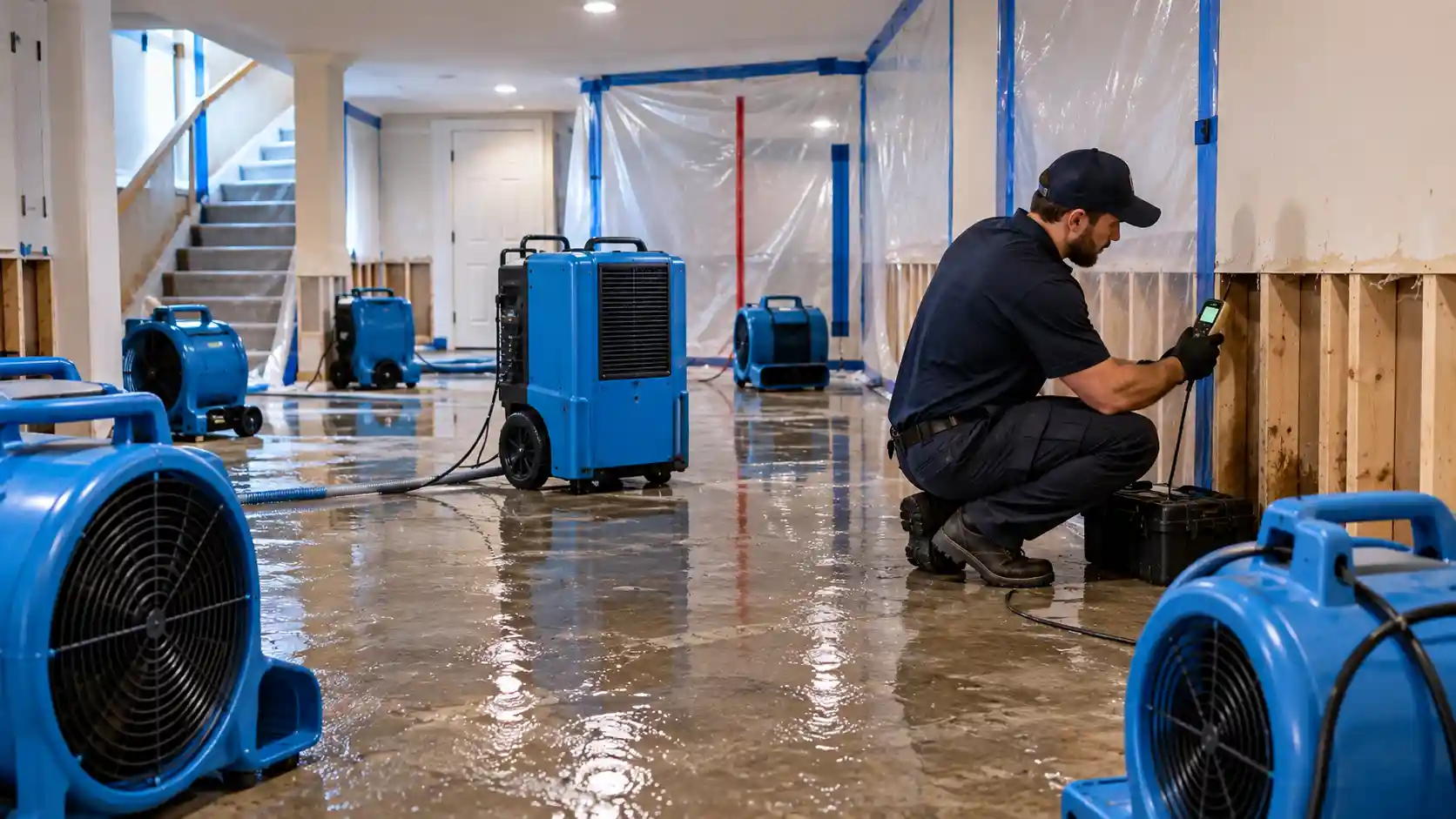
Immediate structural stabilization, containment barriers, and rapid dehumidification to stop water migration and cut total restoration cost.
View Details →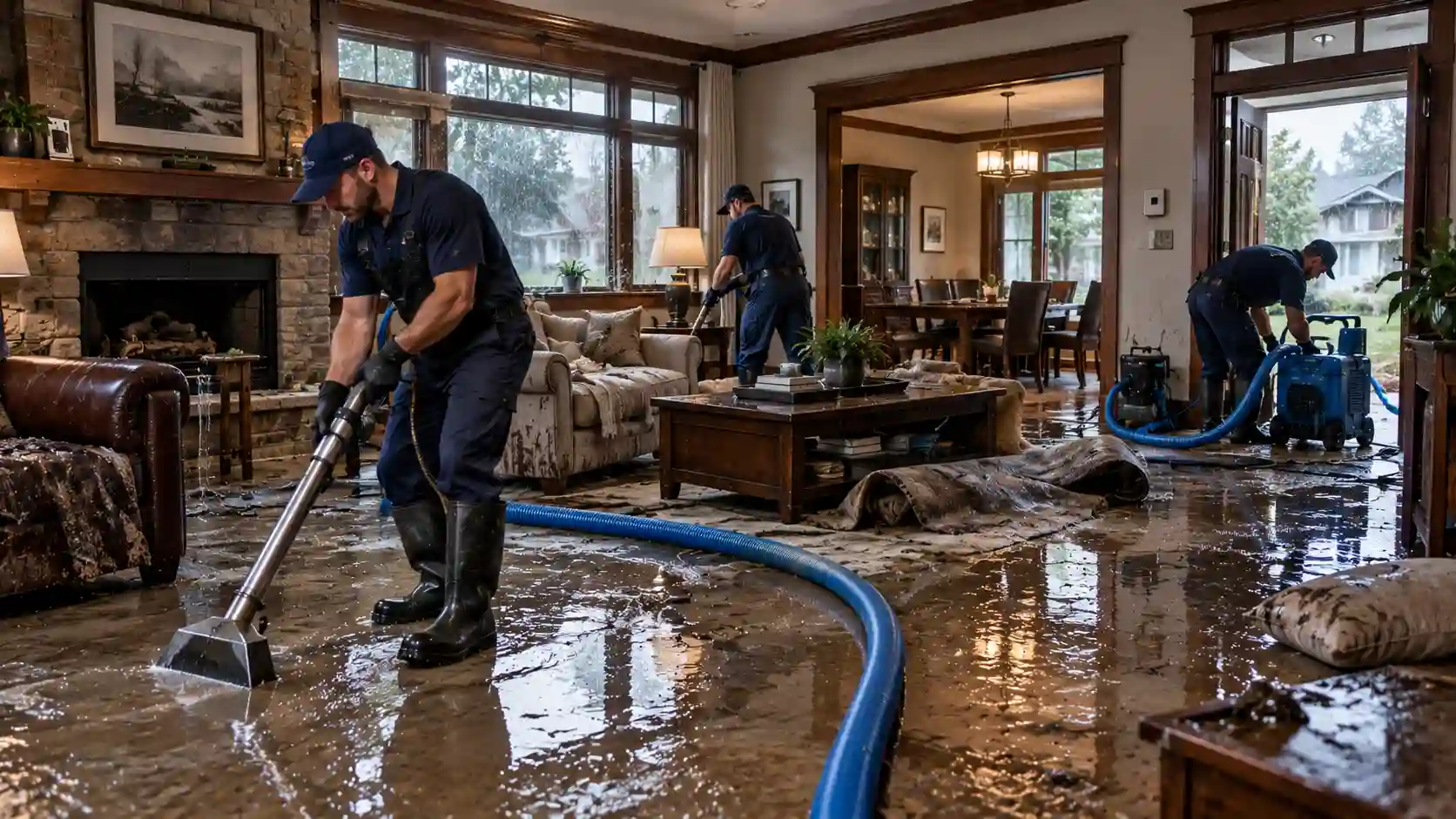
Full recovery from storm surges, groundwater intrusion, and atmospheric river flooding with deep sanitization.
View Details →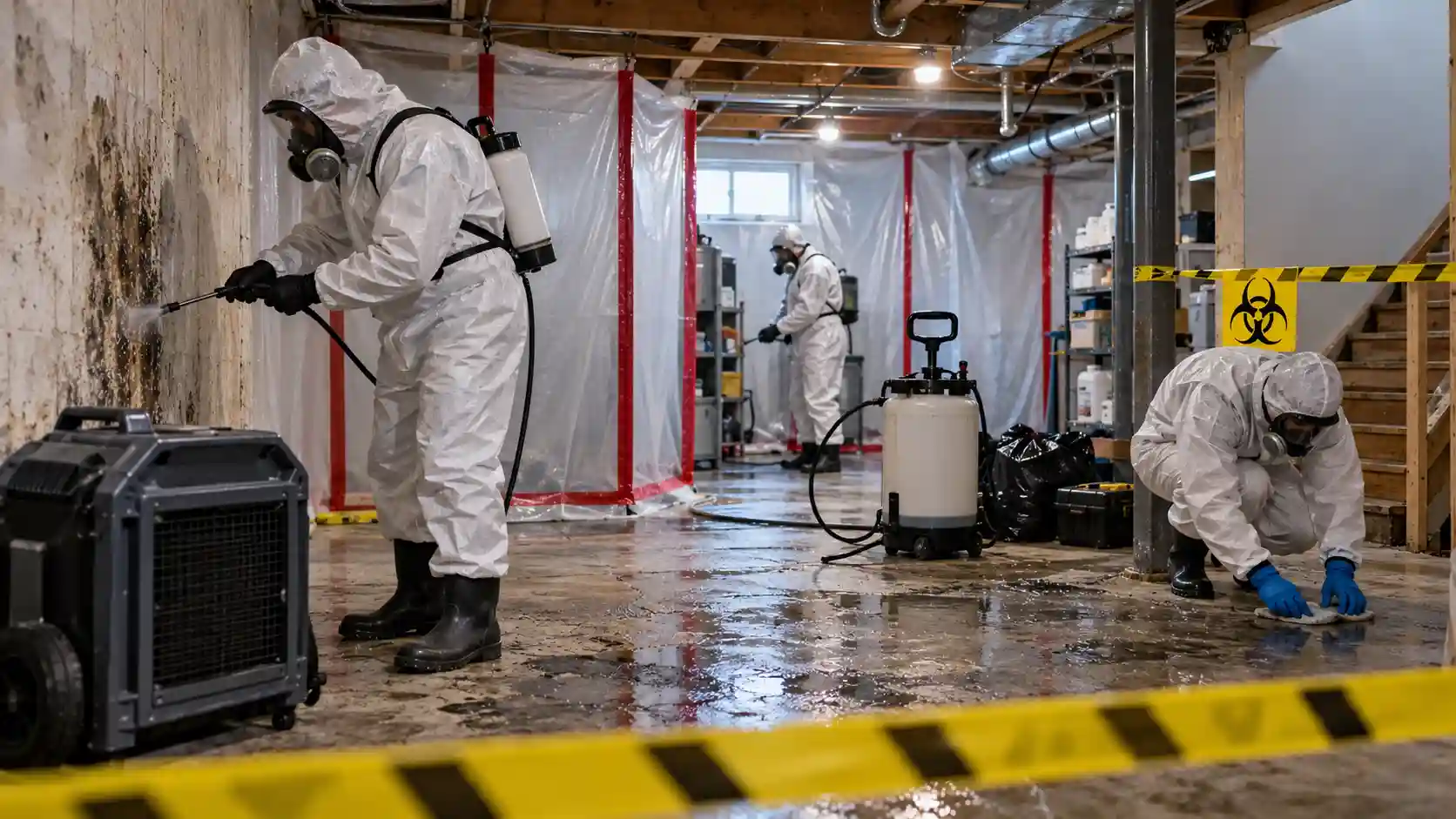
Safe Category 3 black-water removal, biohazard containment, and hospital-grade disinfection to strict EPA standards.
View Details →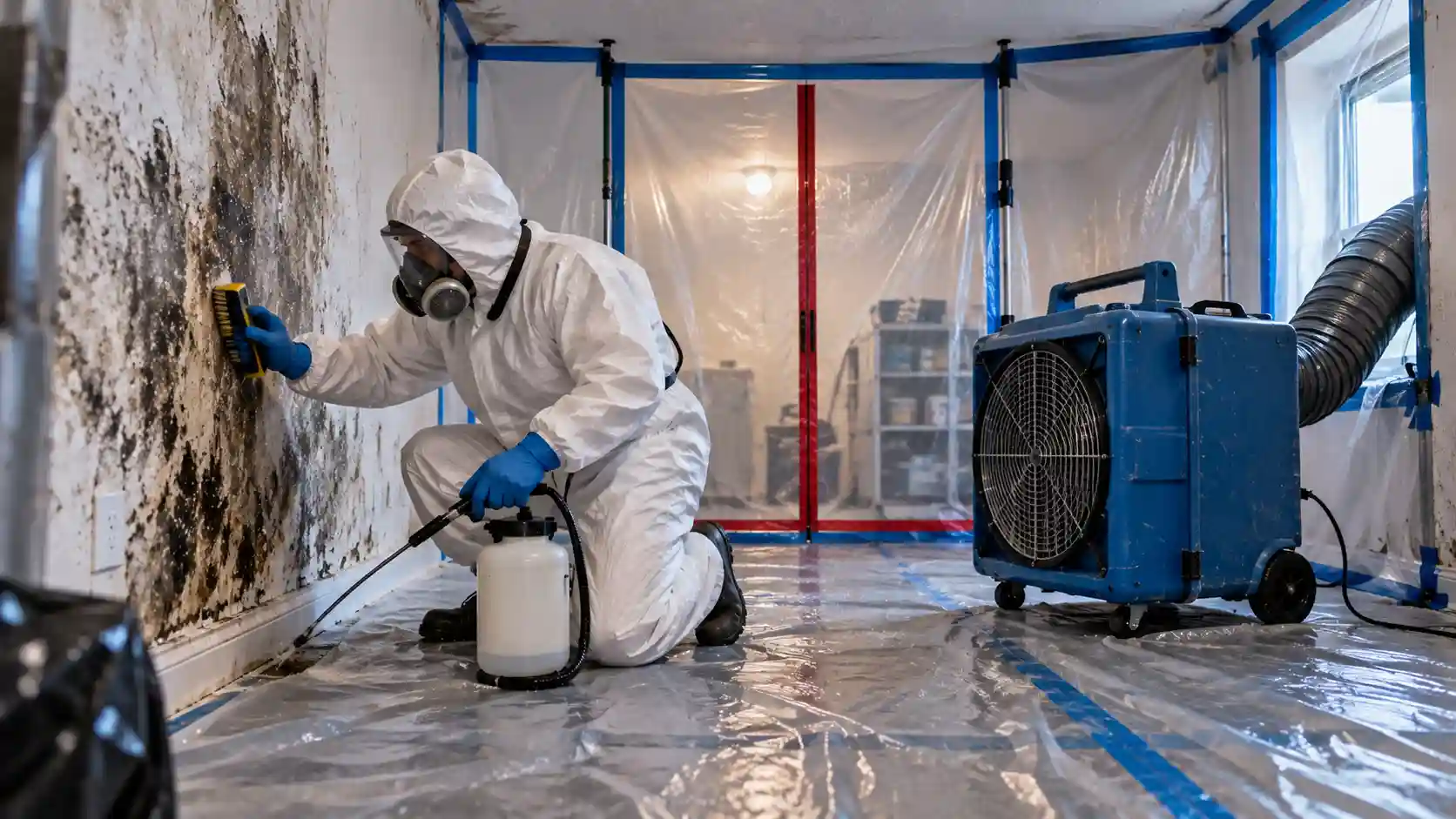
Comprehensive mold inspection, negative-air containment chambers, HEPA filtration, safe removal, and clearance verification.
View Details →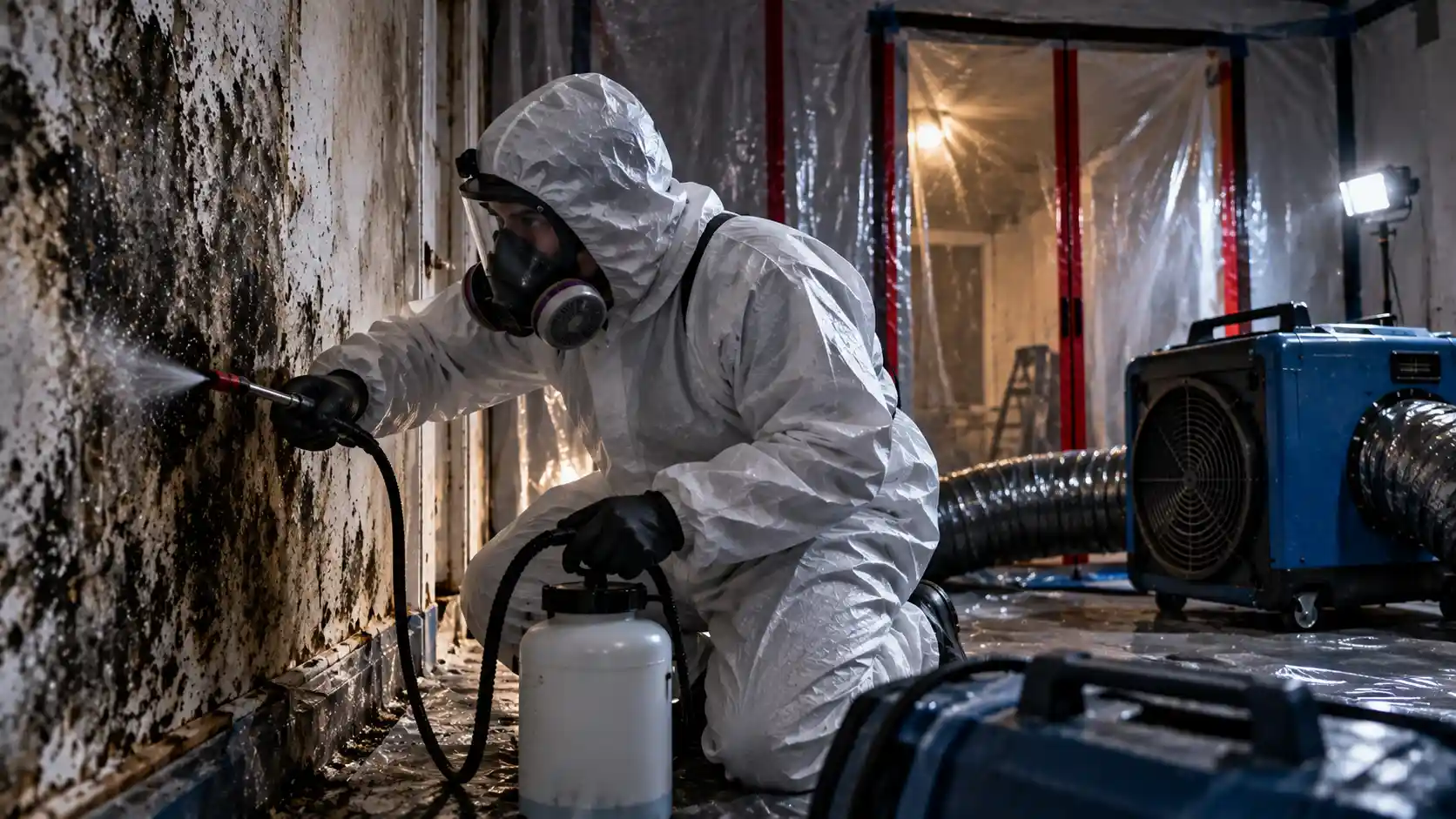
Safe elimination of toxic black mold using strict negative-pressure containment and hospital-grade antimicrobial agents.
View Details →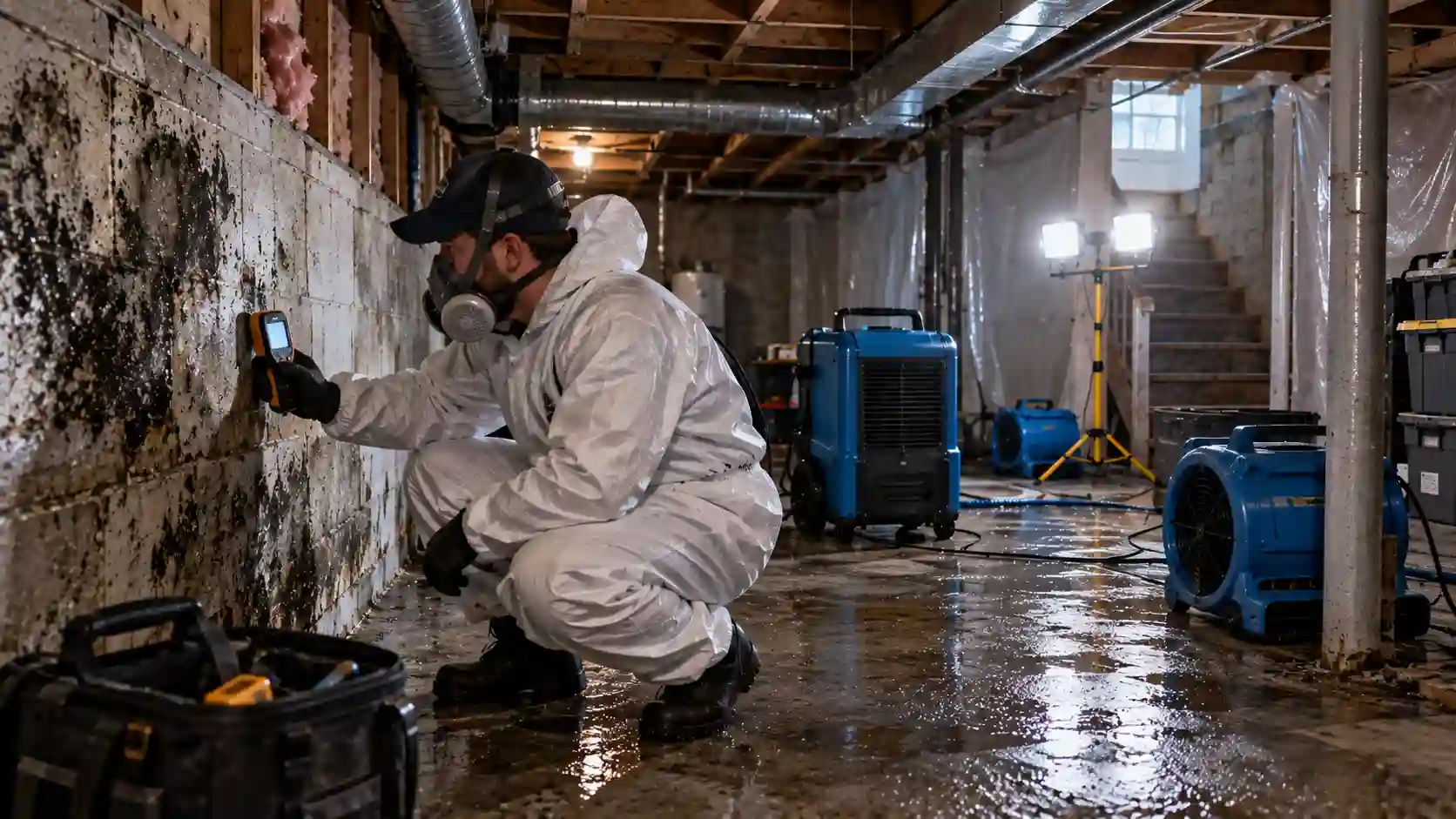
Targeted remediation for Seattle's damp, moisture-prone basements, subfloors, and crawl space foundations.
View Details →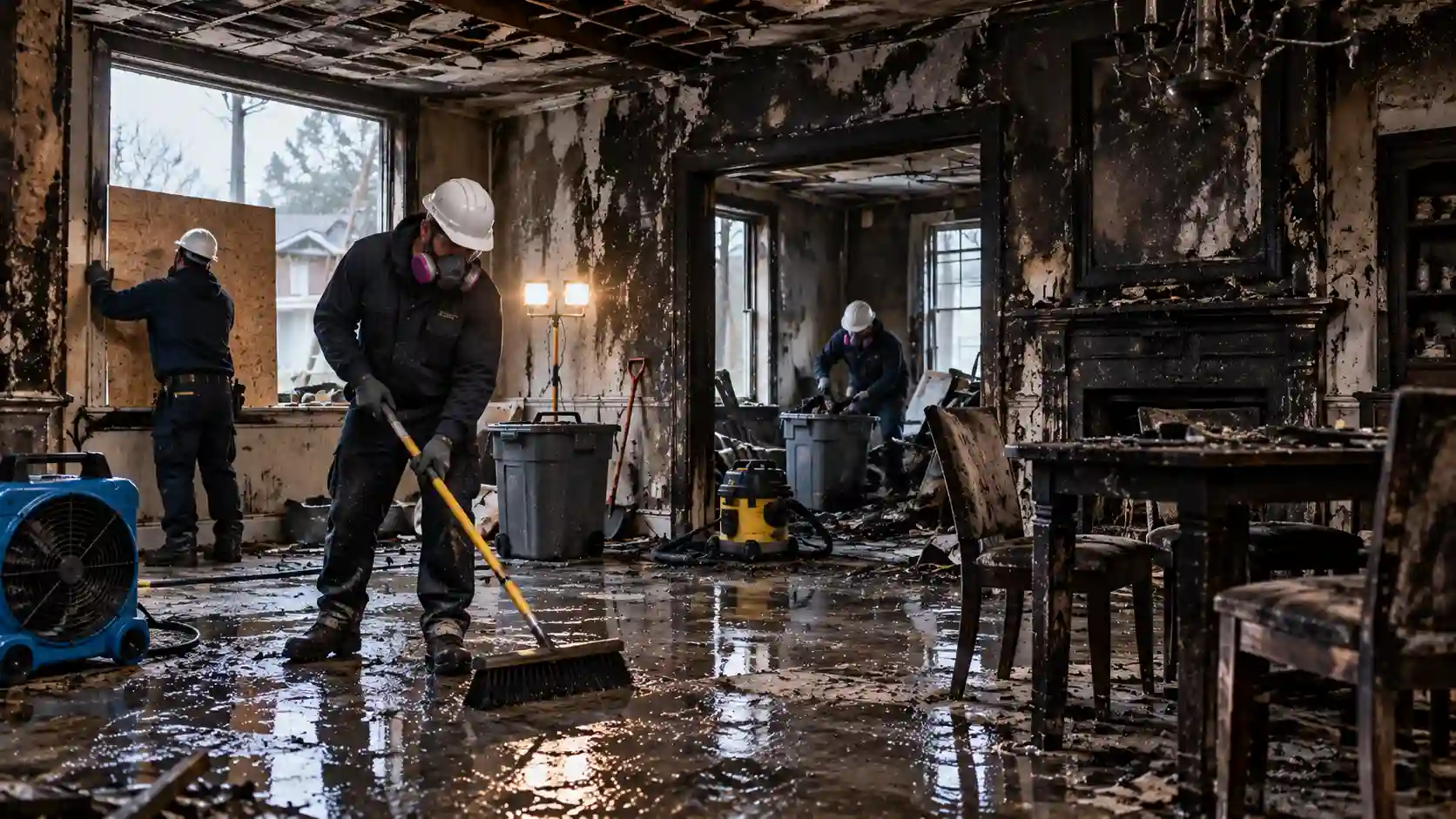
Emergency board-up, structural stabilization, firefighting water extraction, soot cleanup, and complete reconstruction.
View Details →
Deep soot removal, ultrasonic content cleaning, and thermal fogging / hydroxyl generator molecular odor neutralization.
View Details →Get a certified crew on-site in 30 minutes.
RapidDry crews respond in 30 minutes across the entire metro. Find your neighborhood below.
30-minute smoke damage restoration for Ballard homes & businesses
Soot removal & odor elimination across Capitol Hill
Emergency smoke damage restoration in Queen Anne
Smoke, soot & air-quality restoration in West Seattle
Certified smoke damage restoration for Fremont
Soot & odor removal in Green Lake
Commercial smoke restoration downtown
Smoke damage restoration in SLU
Smoke & soot cleanup for Beacon Hill homes
Smoke damage restoration across Columbia City
Certified smoke crews in Rainier Valley
Commercial & home smoke restoration in Georgetown
30-minute smoke response in Leschi
Smoke damage restoration for Magnolia
Smoke & soot removal in the U-District
Certified smoke restoration in Wallingford
Don't see your neighborhood? Call (206) 555-0199 — if it's in Seattle, we're on our way.
It's the complete process of removing soot and smoke residue, decontaminating affected surfaces and HVAC systems, eliminating embedded odor at the molecular level, and restoring air quality — returning your property to a clean, safe, pre-loss condition. It's far more than wiping surfaces and spraying air freshener.
Yes — but not by masking. Household sprays only cover odor temporarily. Complete removal requires identifying the soot type, cleaning correctly for each surface, decontaminating the HVAC, and neutralizing embedded odor with thermal fogging, hydroxyl, or ozone treatment.
Emergency response, smoke inspection and soot identification, containment, HEPA air scrubbing, method-matched soot removal, structural surface cleaning, molecular odor neutralization plus HVAC decontamination, and contents cleaning — verified with air-quality testing.
Yes. Smoke rises and circulates through the HVAC system, carrying soot and odor into rooms, closets, and ducts far from the fire. A room that looks untouched can hold as much contamination as the burn area — which is why we assess the whole property.
Dry smoke soot (fast, hot fires), wet smoke soot (smoldering, low-heat fires), protein residue (cooking fires), and fuel-oil/synthetic soot (furnace puff-backs). Each requires a different cleaning method — using the wrong one makes damage permanent.
Yes. Fine soot particles reach deep into the lungs, and synthetic soot carries carcinogenic compounds. It's especially risky for children, the elderly, and those with asthma or respiratory conditions — and it shouldn't be left to "air out."
Small surface spots maybe, but soot cleanup without HEPA filtration and the right method for each soot type spreads contamination and sets stains permanently. Embedded odor and HVAC contamination need professional equipment. DIY usually makes it worse and can void your insurance claim.
Minor contained smoke damage takes a few days; moderate jobs with HVAC and odor treatment run 1–2 weeks; severe widespread contamination takes longer. We give a clear timeline after inspection.
Minor jobs run $1,500–$4,000, moderate $4,000–$12,000, and severe widespread damage $12,000–$30,000+. Cost depends on soot type, spread, HVAC cleaning, and contents. We provide a free written, itemized estimate.
Most Washington homeowners policies cover smoke damage from a sudden, covered fire event — soot cleanup, odor removal, and affected contents. We document everything and bill your insurer directly.
Yes — and it's essential. Untreated ductwork is the #1 reason smoke odor "comes back," because the HVAC re-blows soot and odor into clean rooms. We decontaminate it as a standard part of odor removal.
Yes — 24/7/365 with a guaranteed 30-minute on-site arrival across the Seattle core, Eastside, North Metro, and South Metro.
Still unsure?
Template section. No new award name is claimed in this section. Real award names still need owner confirmation.
Washington contractor licence as stated on current site pages.
IICRC-certified firm as stated on current site pages.
Certified restoration crews as stated on current site pages.
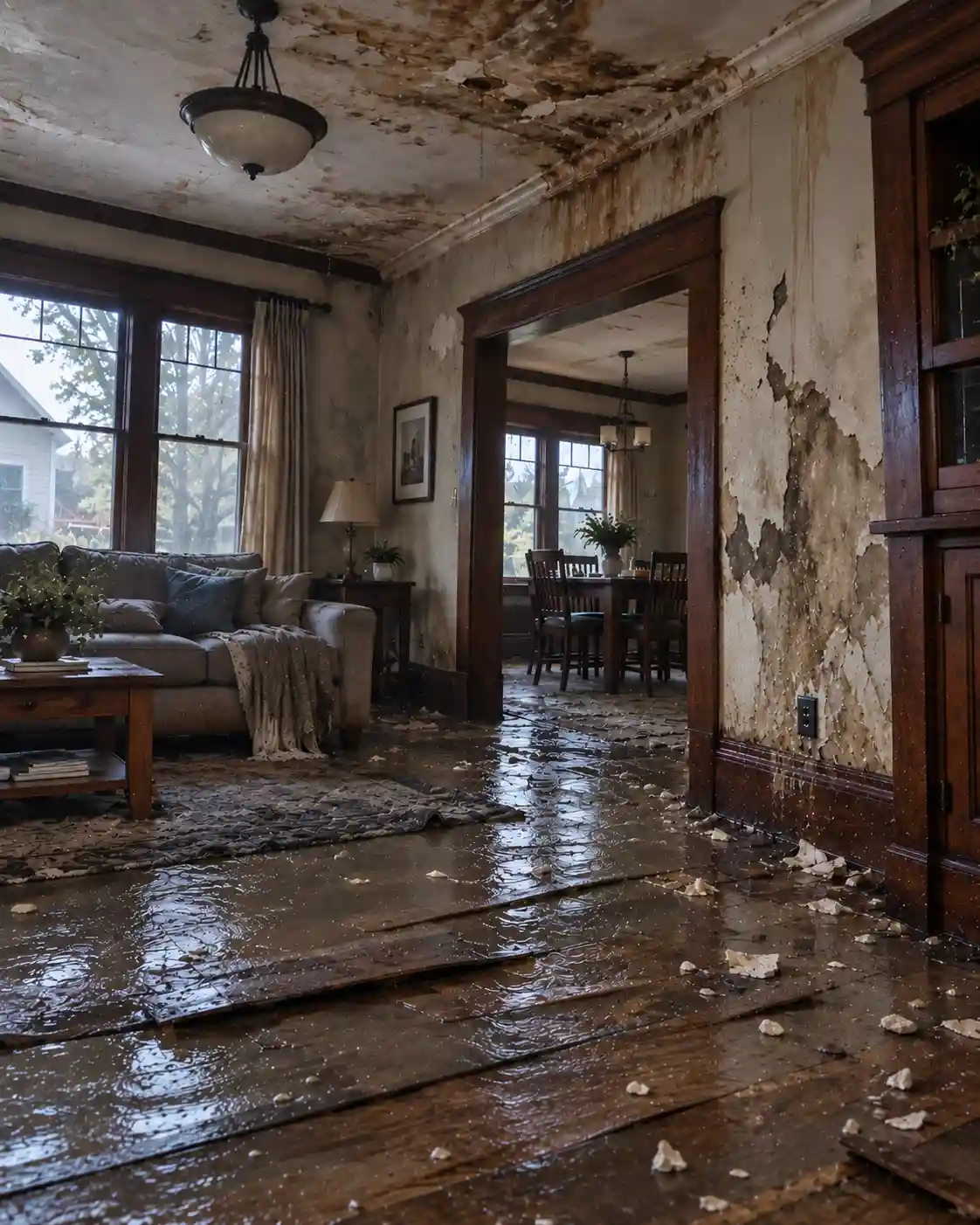
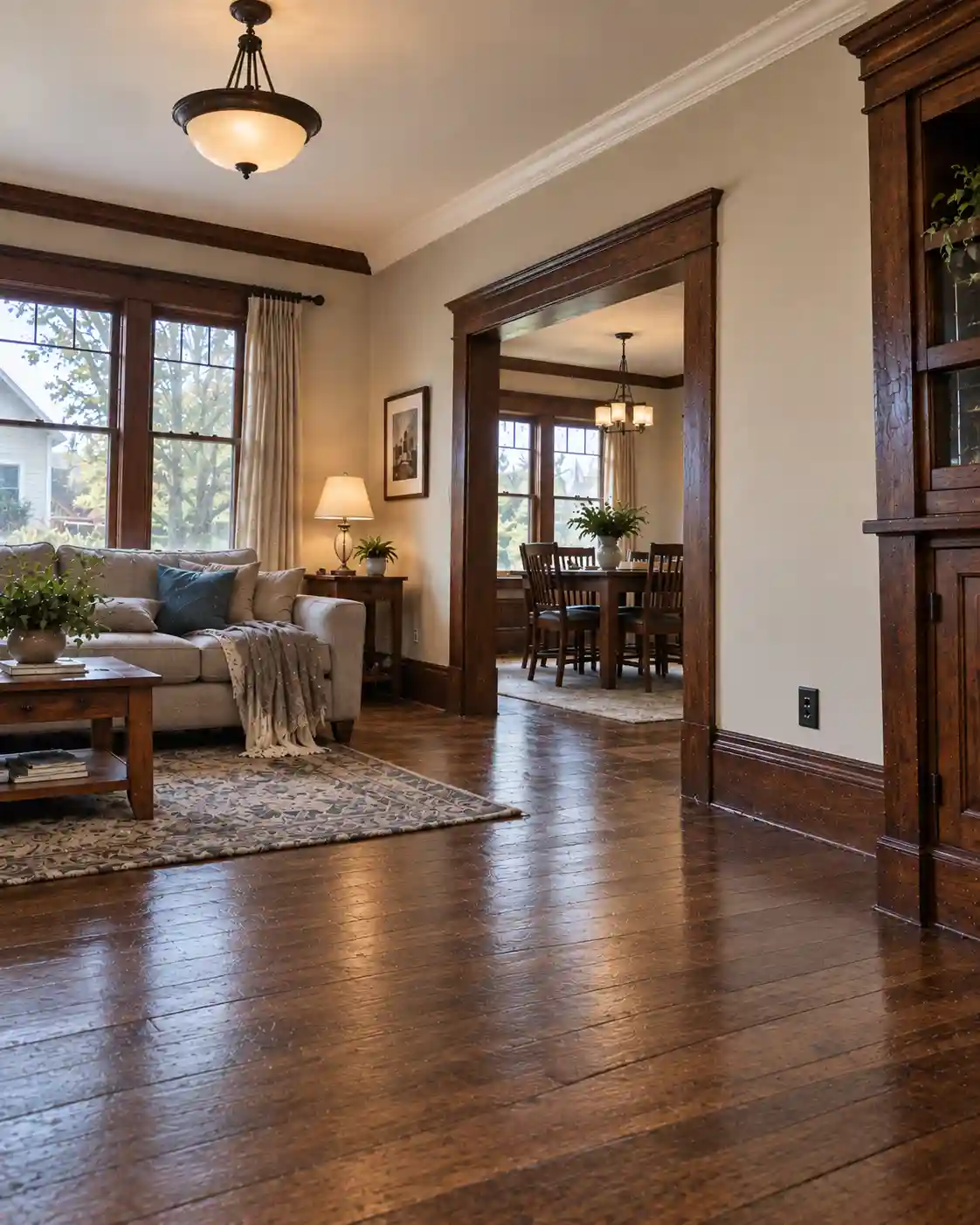
Template section. Images below are the homepage Before/After sets 1 and 2 only. No new jobs are shown.
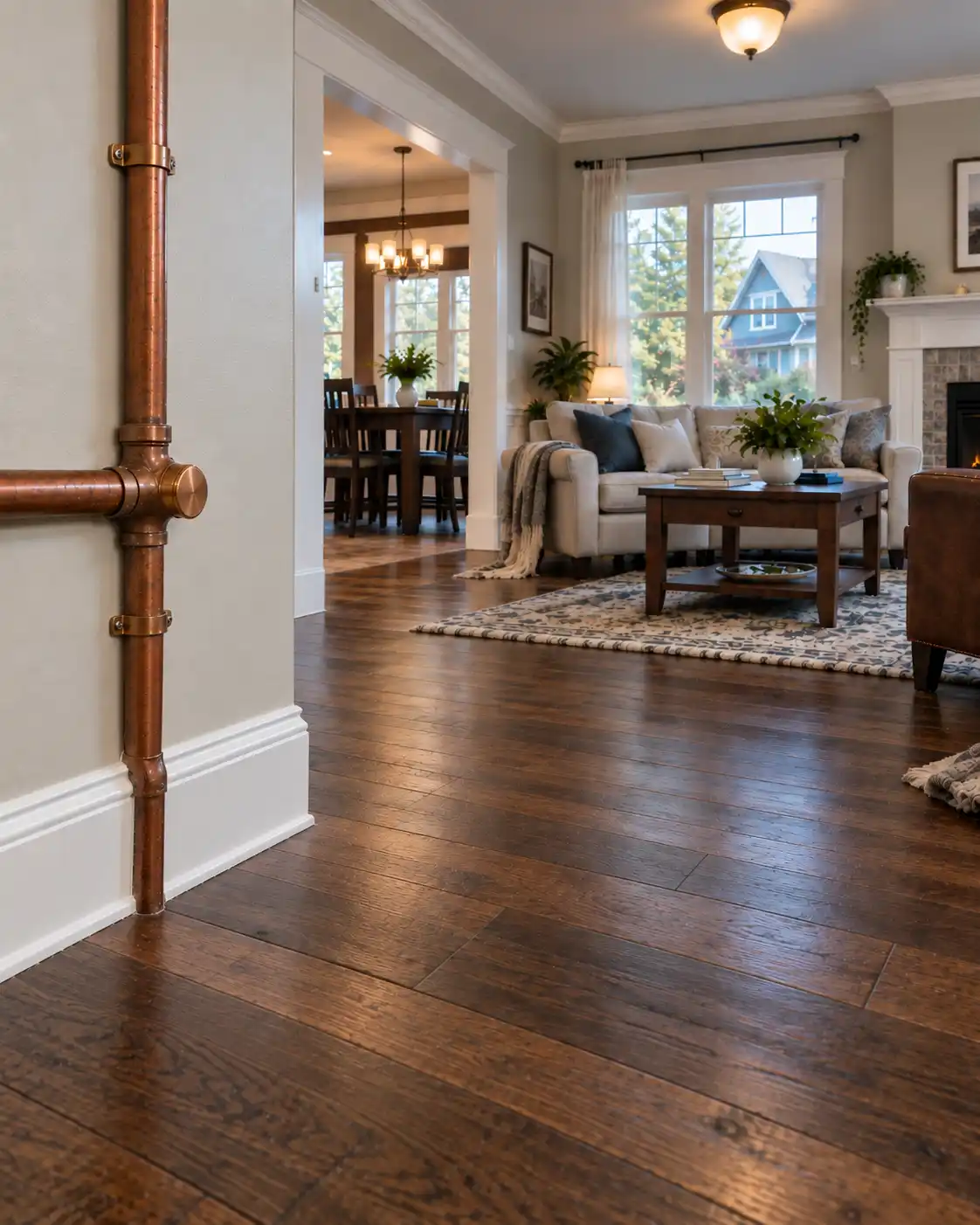
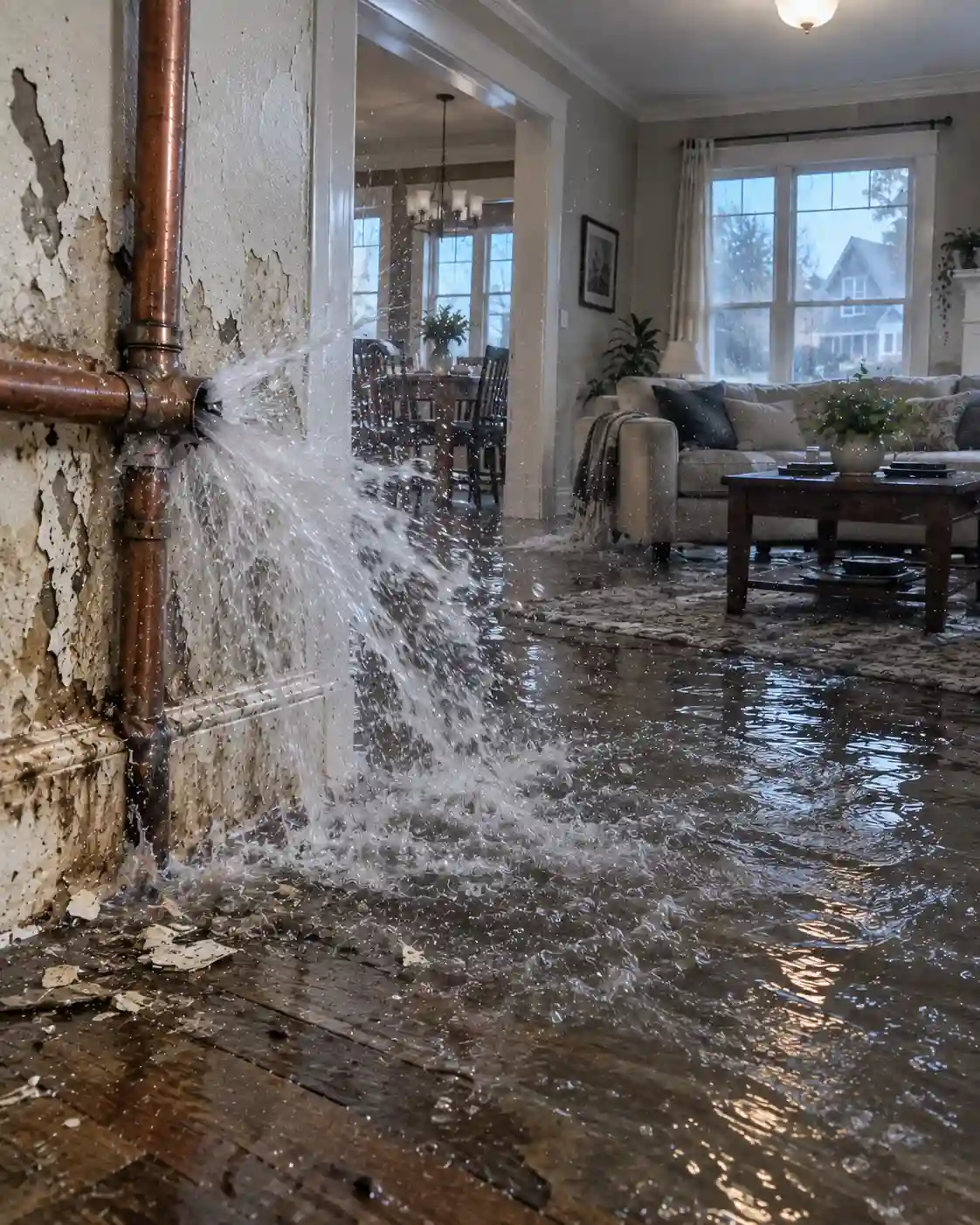
Smoke damage sets in fast and spreads far — every hour it's untreated, the odor buries deeper and the corrosion worsens. Our IICRC-certified crews are standing by 24/7 with a 30-minute response, free smoke inspection, method-matched soot removal, molecular odor elimination, HVAC decontamination, and air-quality verification. Gone at the source — not masked.