💧
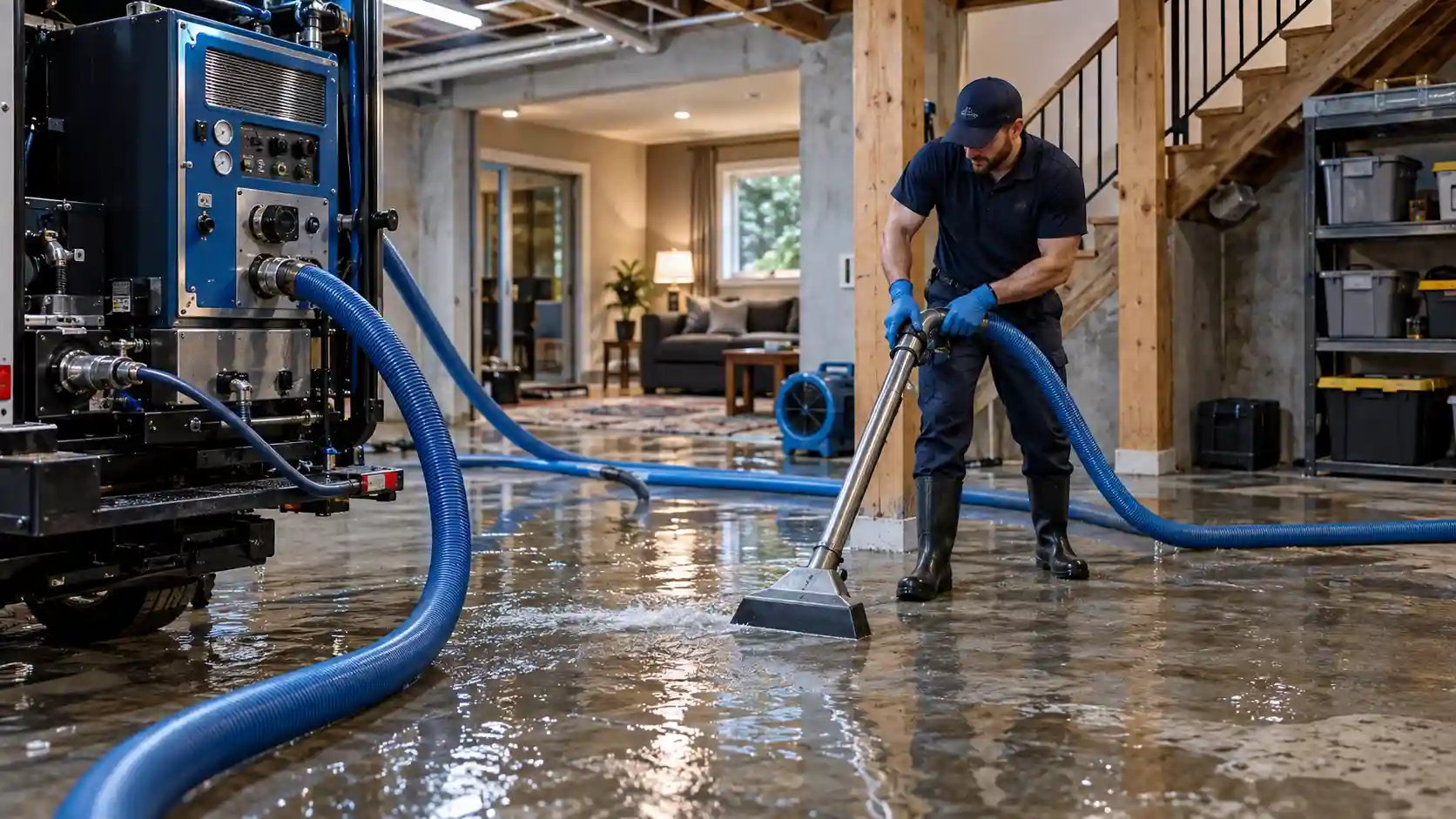
Water Removal & Extraction
High-capacity truck-mounted and portable extraction units clear standing water fast from flooded basements, crawl spaces, and commercial floors.
View Details →30-Minute Emergency Response · Board-Up to Full Rebuild · Direct Insurance Billing
A fire changes everything in an instant — and even after the flames are out, the damage keeps spreading. Acidic soot etches glass and corrodes metal within minutes, firefighting water saturates your framing, and mold begins within 24 to 48 hours. The decisions you make in the first hours decide how much of your property can be saved.
RapidDry Restoration Seattle responds in 30 minutes flat — the fastest guaranteed arrival in Seattle — with IICRC-certified crews who secure, assess, and restore your property from board-up to final nail. One team, one point of contact, from the first hour through the last coat of paint. And we bill your insurance directly.
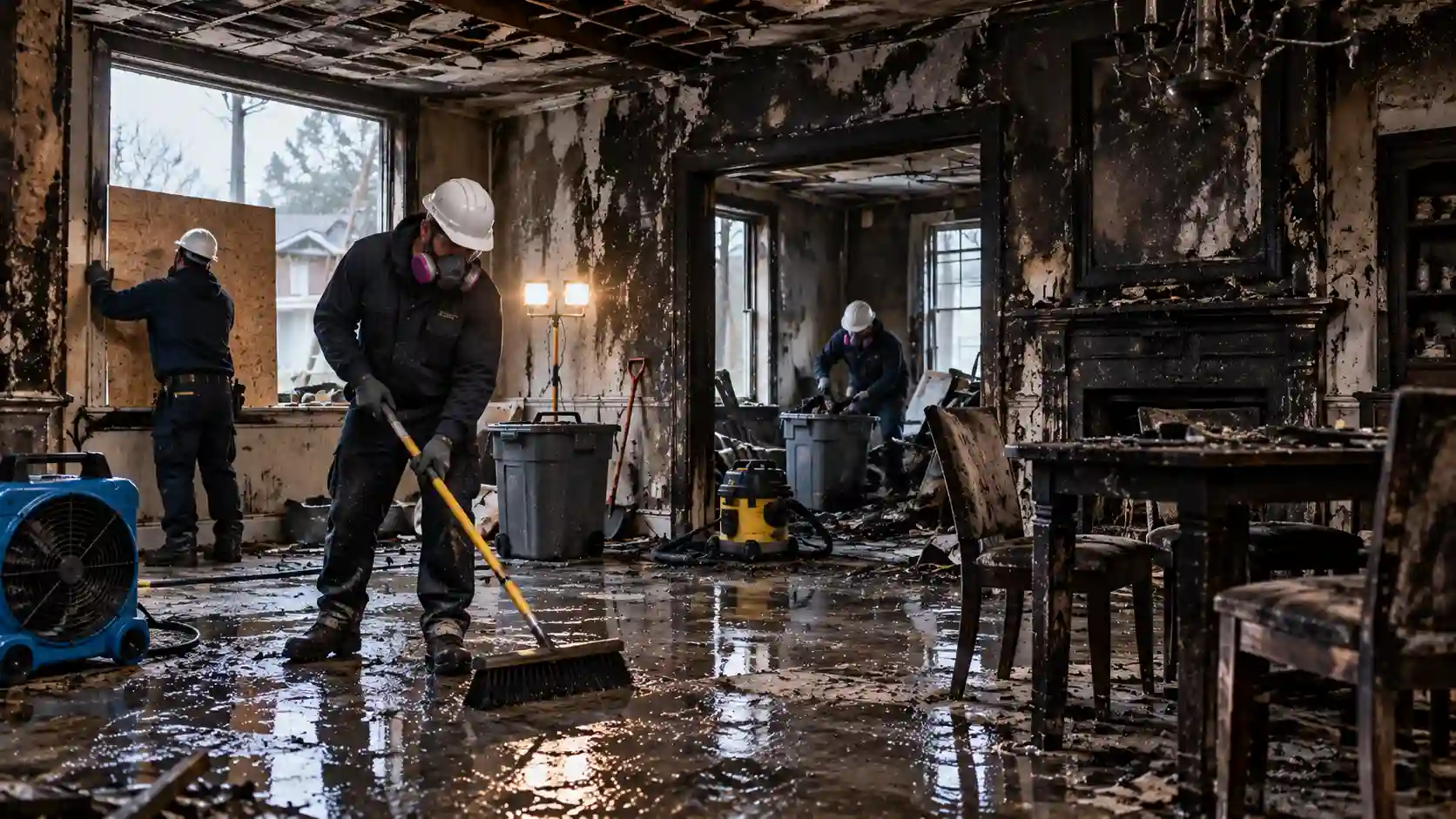
A fire is one of the most disorienting things a homeowner or business owner will ever face. In that moment, having an experienced, accountable team take control makes all the difference — not a franchise call center routing your emergency three states away, but a local Seattle crew that knows this city's homes, climate, and building codes.
Most fire jobs get handed off between crews: one company boards up, another cleans, a third rebuilds — and you're left coordinating them all while living in a hotel. RapidDry does it all in-house: emergency board-up, water extraction, debris removal, structural cleaning, contents restoration, and full reconstruction — no subcontractors, no handoffs, no gaps in accountability.
We've restored Seattle homes and businesses since 2012 as an IICRC-Certified Firm (#684920), WA-licensed (#EMERACR821L9), bonded, and insured to $2M. Our crews are fully vetted, in-house master technicians — and we arrive in 30 minutes, 24/7/365.
📋 Case Study — 2024 Capitol Hill Response: When a commercial freeze-pipe burst threatened six figures in inventory, our crew mitigated $120,000 in damage in under 4 hours. That's the 30-minute-response advantage in action.
Fire damage restoration is the complete process of returning a property to its pre-loss condition after a fire — and it's far more than clearing debris and repainting walls. A fire produces multiple overlapping layers of damage, and a real restoration addresses every one, in the correct sequence, to professional standards:
Structural stabilization and emergency board-up
Water extraction and structural drying from firefighting efforts
Fire debris, ash, and residue removal
Structural cleaning, sanitization, and antimicrobial treatment
Corrosion treatment for metals and electrical components
Contents cleaning, pack-out, and salvage assessment
Full structural repairs and reconstruction
Insurance documentation and claims coordination
Skip a phase — or do it out of order — and you get persistent odors, ongoing corrosion, hidden mold, and a property that isn't truly safe to occupy. (Smoke, soot, and odor removal is its own specialized discipline — see our dedicated Smoke & Soot Damage Cleanup page.)
Fire damage doesn't stop when the flames are out — a series of destructive processes begin immediately and intensify with every hour of delay. This is exactly why a 30-minute response matters, not a 2-hour one:
| Timeframe | What's Happening to Your Property |
|---|---|
| Within minutes | Acidic soot etches glass, discolors plastics, and begins corroding metal and appliances |
| Within hours | Soot penetrates deep into walls, insulation, and porous surfaces; firefighting water saturates framing |
| 24–48 hours | Mold begins in water-saturated areas; painted surfaces start yellowing permanently |
| 48 hours – 1 week | Corrosion accelerates on metals and electronics; salvageable materials become unsalvageable |
| After 1 week | Severe structural deterioration; full reconstruction becomes far more likely — and far more costly |
Every hour you wait moves items from the "can be cleaned" column to the "must be replaced" column. Fast, professional response is the single biggest factor in how much you save.
A fire produces multiple, overlapping kinds of damage — each needing a different technique and different materials. Our IICRC-certified crews assess and address all of them.
Direct flame contact chars, melts, and warps framing, wiring, and flooring. We assess structural integrity to determine what can be cleaned and treated versus what must be removed and rebuilt — before any restoration proceeds in affected areas.
Intense heat causes damage well beyond the burn zone — buckled flooring, cracked drywall, warped roof decking, and degraded wiring insulation in rooms that never caught fire. Thermal damage to electrical panels creates fire and shock hazards invisible to the untrained eye.
Charred wood, melted materials, broken glass, and contaminated debris require careful handling — sharp objects, chemicals, and hazardous residues all present risk. We remove unsalvageable materials safely and prepare a clean foundation for repairs.
Thousands of gallons of suppression water saturate walls, flooring, insulation, and contents. Left unaddressed, this becomes the primary driver of mold and structural deterioration. We extract and dry with truck-mounted units, commercial dehumidifiers, and psychrometric monitoring — treating fire and water damage together, not as two separate jobs.
Fire's most dangerous damage is the damage you can't see: weakened joists, compromised load-bearing walls, and heat-expanded metal connectors, clips, and roof straps that fail later if not replaced. We use thermal imaging and structural assessment to find it before it becomes a safety hazard.
Smoke and acidic soot travel far beyond the fire's origin, corroding surfaces and embedding odors in porous materials and HVAC systems. This is a specialized discipline of its own — our crews handle it fully, detailed on our dedicated Smoke & Soot Damage Cleanup page.
The fire you can see is only part of the problem. The damage that keeps working after the flames are out is what turns a recoverable property into a total loss.
Soot from synthetic materials is acidic — it starts etching glass within minutes and corroding metal, copper wiring, and electrical components within hours. Left untreated, it permanently pits fixtures, ruins electronics, and forces replacement of parts that could've been saved with fast neutralizing treatment.
Heat degrades framing, expands and contracts metal fasteners and roof connectors, and compromises load-bearing members — often with no visible sign. A wall that looks fine can be structurally unsound. This is why professional assessment isn't optional after a fire.
The water that saved your home now threatens it. In Seattle's persistently damp climate, suppression water doesn't evaporate on its own — that 24-to-48-hour mold window isn't theoretical, it's a real constraint here. Saturated framing and insulation reach mold-growth conditions faster than in drier regions, which is exactly why rapid extraction and drying is non-negotiable in the Pacific Northwest.
Every phase of recovery, handled in-house by one accountable team — from the first board-up to the final walkthrough.
We secure damaged windows, doors, walls, and roofing immediately — protecting your property from Seattle weather, vandalism, and theft while the restoration plan is built.
Room-by-room inspection with thermal imaging, moisture meters, and air-quality testing — documenting every layer of damage for your restoration plan and your insurance claim.
Truck-mounted extraction, commercial dehumidifiers, and psychrometric monitoring remove firefighting water and dry framing, subfloor, and cavities to verified moisture levels.
Safe removal and disposal of charred, melted, and contaminated materials — clearing hazardous debris and preparing a clean foundation for repairs.
Deep cleaning of walls, ceilings, framing, and salvageable surfaces with EPA-registered antimicrobial agents — plus corrosion-neutralizing treatment for metals and electrical components.
Full soot removal and molecular-level odor neutralization — a specialized discipline detailed on our Smoke & Soot Damage Cleanup page.
Inventory, documentation, and chain-of-custody pack-out of salvageable belongings — cleaned with ultrasonic and specialized methods, stored securely, and returned when your property is ready.
Drywall, flooring, framing, roofing, cabinetry, paint, and finishing — rebuilt to pre-loss condition or better, code-compliant, by the same team that responded on day one.
Every RapidDry fire project follows the same IICRC-compliant sequence — each phase executed in the correct order, because skipping or rushing one causes the persistent odors, corrosion, and mold that plague incomplete restorations.
You call, a certified project manager is notified, and a crew is on-site in 30 minutes — because every hour of delay compounds the damage.
We secure all openings with board-up and tarping, protecting against weather, entry, and theft — a step your insurance policy typically requires to keep the claim intact.
Room-by-room inspection with thermal imaging, moisture meters, and air-quality testing documents all fire, water, and hidden damage — guiding the plan and the insurance claim.
Firefighting water is extracted with truck-mounted and portable units, then commercial dehumidifiers and air movers dry the structure, with psychrometric monitoring confirming every material reaches a safe dry standard.
Charred, melted, and unsalvageable materials are safely removed and disposed of, clearing the way for cleaning and repair.
Structural surfaces are deep-cleaned, metals are corrosion-neutralized, and all affected areas are treated with EPA-registered sanitizing agents to eliminate biological hazards from the fire and water.
Belongings are inventoried, packed out under chain-of-custody, professionally cleaned, and stored — restored when possible rather than replaced.
Framing, drywall, flooring, roofing, and finishes are rebuilt to pre-loss condition — one team, one point of contact, from board-up to final walkthrough.
Not every fire is the same, and the scope, timeline, and cost of restoration scale with severity. Understanding where your loss falls helps you know what to expect. Our crews classify the damage on arrival and build the plan around it.
| Severity | What It Involves | Typical Scope |
|---|---|---|
| Minor Fire Damage | Contained (kitchen fire, small electrical), limited smoke and soot, no structural damage | Cleaning, deodorization, minor surface repair, air filtration |
| Moderate Fire Damage | Multiple rooms affected, widespread soot, firefighting water, some material removal | Extraction, drying, soot removal, drywall/flooring repair, contents cleaning |
| Major / Severe Fire Damage | Structural burn, compromised framing, extensive water, large-scale loss | Debris removal, full structural rebuild, reconstruction, inspections, insurance coordination |
A "small" kitchen fire still spreads soot and odor through the whole home and leaves firefighting water behind — which is why even minor fires warrant a professional assessment. We tell you honestly which category you're in and exactly what it requires.
A fire hits your belongings as hard as your structure — furniture, electronics, clothing, documents, keepsakes, business inventory. But damaged doesn't always mean lost. Before anything is discarded, we inventory and assess every item, saving what we can and documenting the rest for your claim. That approach cuts replacement costs and preserves what matters most.
| ✅ Items We Can Usually Restore | ❌ Items That Typically Need Replacement |
|---|---|
| Metals, glass, and hard plastics | Heavily charred or melted materials |
| Hardwood and non-porous furniture | Upholstered furniture with deep soot penetration |
| Electronics and appliances (post-assessment) | Porous items with embedded smoke odor |
| Documents, photos, and artwork (specialized processing) | Food, cosmetics, and perishables |
| Clothing and textiles (specialized laundering) | Mattresses and heavily saturated soft goods |
| Jewelry, tools, and hard-surface valuables | Materials with structural or heat damage |
Salvageable contents are packed out under chain-of-custody, cleaned with ultrasonic and specialized methods, deodorized, and stored securely until your property is ready — then returned. Every item is documented to support your insurance claim.
When a fire compromises your structure, cleaning isn't enough — you need to rebuild. And the biggest mistake in fire recovery is rebuilding over hidden damage. RapidDry handles the full reconstruction in-house, so the same team that documented the damage rebuilds it right.
Before we rebuild, we evaluate what the fire actually did to the bones of your property — weakened joists, compromised load-bearing walls, and heat-expanded metal clips, straps, and fasteners that fail later if left in place. We identify and replace every affected component, then rebuild: framing, insulation, drywall, roofing, flooring, cabinetry, and final finishes — all code-compliant.
No handoffs between a mitigation crew and a separate contractor. From the emergency board-up on day one through the final walkthrough, you have one point of contact and complete accountability. Where the structure is salvageable, we repair it. Where it's a total loss, we handle full ground-up reconstruction. After inspection, we tell you clearly which path applies and what to expect — whether that's two weeks or several months.
Restoring a fire-damaged property in the Pacific Northwest takes local knowledge that out-of-town franchises simply don't have. Seattle's climate, geography, and older housing stock all change how fire damage behaves — and how it has to be restored.
Seattle's eastern edge borders the Cascade foothills, carrying real wildfire exposure in dry months. Eastern Washington wildfires also send smoke across the Cascades for days at a time, infiltrating structural materials and ductwork. Wildland-urban interface fire damage looks different from an interior blaze — it demands assessment of ember penetration through attic vents, thermal degradation of decks and siding, and hidden particulate damage.
Frequent storms, high winds, and heavy rain drive elevated electrical fire risk — downed lines, panel surge damage, and moisture intrusion into wiring. These fires often start in attics, crawl spaces, and wall cavities, making early detection difficult and hidden structural damage more likely.
Seattle's persistent humidity makes smoke odors linger longer and penetrate deeper into porous materials than in drier regions — and suppression water doesn't evaporate without mechanical drying. That's why molecular-level deodorization and rapid structural drying aren't optional here; they're essential.
Much of Seattle was built between 1950 and 1985, when balloon-frame construction — which lacks horizontal fire blocking — let smoke and heat travel vertically through wall cavities faster than in modern homes. Aluminum wiring from the 1960s–70s degrades over time and often needs code upgrades during restoration. And pre-1980 homes require mandatory asbestos and lead testing before any demolition under state law — something we handle as part of the process.
A house fire uproots families, destroys belongings, and makes a home unsafe. We stabilize the property, remove debris, dry firefighting water, clean and decontaminate, restore contents, and rebuild — restoring safe, comfortable living conditions across single-family homes, condos, townhomes, and apartments. Whether the damage is one room or the whole house, we keep clear communication at every step so you always know what's next.
Every hour your business is closed is lost revenue. Commercial fire restoration demands rapid response, large-loss capability, and a plan that gets you operating again fast. RapidDry restores offices, retail spaces, restaurants, warehouses, multi-family buildings, and industrial facilities — handling debris, structural cleaning, code-compliant rebuild, and full documentation for property managers, tenants, and insurers, all while minimizing downtime.
A fire claim is one of the most stressful parts of an already overwhelming experience. RapidDry works alongside you and your carrier from the first hour to make it as smooth as possible.
We don't cut corners to keep things cheap for the insurance company. Our job is to document the full scope of covered damage and make sure it's accurately represented in your claim — advocating for your property's complete restoration, not the insurer's minimum.
From the first inspection, we capture photographs, room-by-room damage assessments, moisture readings, itemized contents inventories, and detailed restoration scopes — the exact documentation adjusters require to process a claim without friction or delay.
Most Washington State homeowners policies cover sudden, accidental fire damage to both structure and belongings — including smoke damage, firefighting water, and additional living expenses during restoration. We bill your carrier directly and coordinate with your adjuster — State Farm, Allstate, USAA, Farmers, Geico, Liberty Mutual, and more — so you focus on your family, not paperwork.
Fire restoration cost depends on the severity of the fire, the size of the affected area, water damage from firefighting, structural repair needs, and contents restoration. A minor smoke cleanup costs a fraction of a major fire requiring full reconstruction. Every RapidDry estimate is written, itemized, and property-specific — the price we quote is the price you pay.
| Cost Factor | Why It Affects Price |
|---|---|
| Fire severity & affected area | Larger, more severe damage needs more labor, equipment, and materials |
| Soot & smoke spread | Widespread residue means more cleaning and deodorization |
| Firefighting water damage | Extraction, drying, and mold prevention add scope |
| Structural repair & reconstruction | Framing, drywall, roofing, and electrical increase cost |
| Contents restoration | Cleaning and pack-out of belongings |
| Hidden & code-related work | Asbestos/lead testing and code upgrades in older homes |
| Severity | Typical Cost Range |
|---|---|
| Minor (contained, cleanup & deodorization) | $2,000 – $5,000 |
| Moderate (multi-room, soot, water, repairs) | $5,000 – $25,000 |
| Severe (structural, reconstruction, large-scale) | $25,000 – $100,000+ |
Standard Washington homeowners policies generally cover sudden, accidental fire damage — structure, contents, smoke, firefighting water, and additional living expenses. We document everything and bill your insurer directly, with flexible financing available for anything not covered.
Every fire is different, so timelines vary with severity, insurance processing, permits, and reconstruction scope. After the initial inspection, we give you a clear, detailed timeline — no guesswork.
| Damage Level | Typical Timeline | What's Involved |
|---|---|---|
| Minor smoke damage | A few days to 2 weeks | Cleaning, deodorizing, air filtration |
| Moderate fire damage | 2 to 8 weeks | Soot removal, drying, repairs, odor treatment |
| Severe structural damage | Several months | Debris removal, reconstruction, inspections, insurance coordination |
Emergency stabilization and board-up begin within hours of your call — the timeline above covers full restoration through move-in.
Even minor fires leave damage that isn't obvious — and hidden damage keeps working long after the visible mess is cleaned. Watch for these:
| Warning Sign | What It May Mean |
|---|---|
| Lingering smoke odor | Smoke particles trapped in walls, carpet, or HVAC |
| Black or greasy soot film | Surfaces need specialized cleaning before it sets |
| Wet drywall or flooring | Firefighting water causing hidden damage and mold risk |
| Stained ceilings or walls | Smoke and moisture spread beyond the fire area |
| Warped floors, trim, or doors | Structural materials holding heat or moisture damage |
| Breathing irritation indoors | Airborne soot and contaminants still present |
DIY feels faster, but fire cleanup without the right training, equipment, and protection creates real risk:
Soot is a respiratory hazard — fine particles from synthetic materials contain carcinogenic compounds; disturbing them without HEPA filtration spreads contamination
Hidden structural hazards — weakened floors, compromised walls, and damaged wiring aren't visible without professional assessment
Improper cleaning causes permanent damage — wrong products set stains, accelerate corrosion, and drive soot deeper into porous materials
DIY compromises your insurance claim — carriers require professional documentation and IICRC-standard work; DIY often reduces or voids coverage
Incomplete drying leads to mold — without commercial drying and monitoring, "dry" surfaces still hold mold-feeding moisture
After a fire, contractors will reach out fast — most legitimate, some not. Here's why Seattle trusts RapidDry, and how to protect yourself either way.
| Trust Factor | The RapidDry Standard |
|---|---|
| Response Time | Guaranteed 30-minute arrival — the fastest in Seattle |
| Certifications | IICRC Certified Firm #684920 — FSRT & WRT-trained technicians |
| Licensing | WA License #EMERACR821L9 · Bonded & Insured to $2M |
| In-House Crews | Board-up to rebuild under one roof — never subcontractors |
| Insurance | 100% direct billing — we advocate for you, not your insurer |
| Accountability | One project manager from first call to final walkthrough |
| Reputation | 4.9⭐ (184+ reviews) · BBB A+ · Google Guaranteed · EPA Lead-Safe · RIA |
Verify any contractor's registration at verify.lni.wa.gov before signing — under WA law (RCW 18.27), anyone doing structural work must be registered and bonded
Be wary of firm prices quoted without an inspection — damage can't be scoped over the phone
You have 3 business days to cancel any residential home-improvement contract in WA
Down payments are capped by state law — if someone demands more upfront, that's a red flag
RapidDry is L&I registered, IICRC-certified, bonded, insured, and locally operated since 2012 — not a franchise dispatch or a call center. Our project managers and technicians are direct employees you can hold accountable.
Real, certified restoration experts — direct employees, accountable, and on every job from first response to final walkthrough.
Founder & Master Restoration Architect
IICRC Master Water Restorer (#182049). Mark founded RapidDry in 2012 on one principle: property owners in crisis deserve honest, fast, thorough work — and one team that owns the job from board-up to rebuild.
Director of Operations & Insurance Liaison
Xactimate Level 3 Estimator. Sarah runs operations and works directly with your adjuster — documenting the full scope of your loss to maximize your covered claim and keep out-of-pocket costs down.
Lead Structural Drying Superintendent
IICRC AMRT & EPA Lead-Safe certified. David leads our drying and decontamination crews, ensuring firefighting water is fully extracted and every structure meets IICRC standards before reconstruction begins.
From clean-water leaks to Category 3 sewage floods and fire-and-water combined losses — one Seattle crew, every phase of recovery.
High-capacity truck-mounted and portable extraction units clear standing water fast from flooded basements, crawl spaces, and commercial floors.
View Details →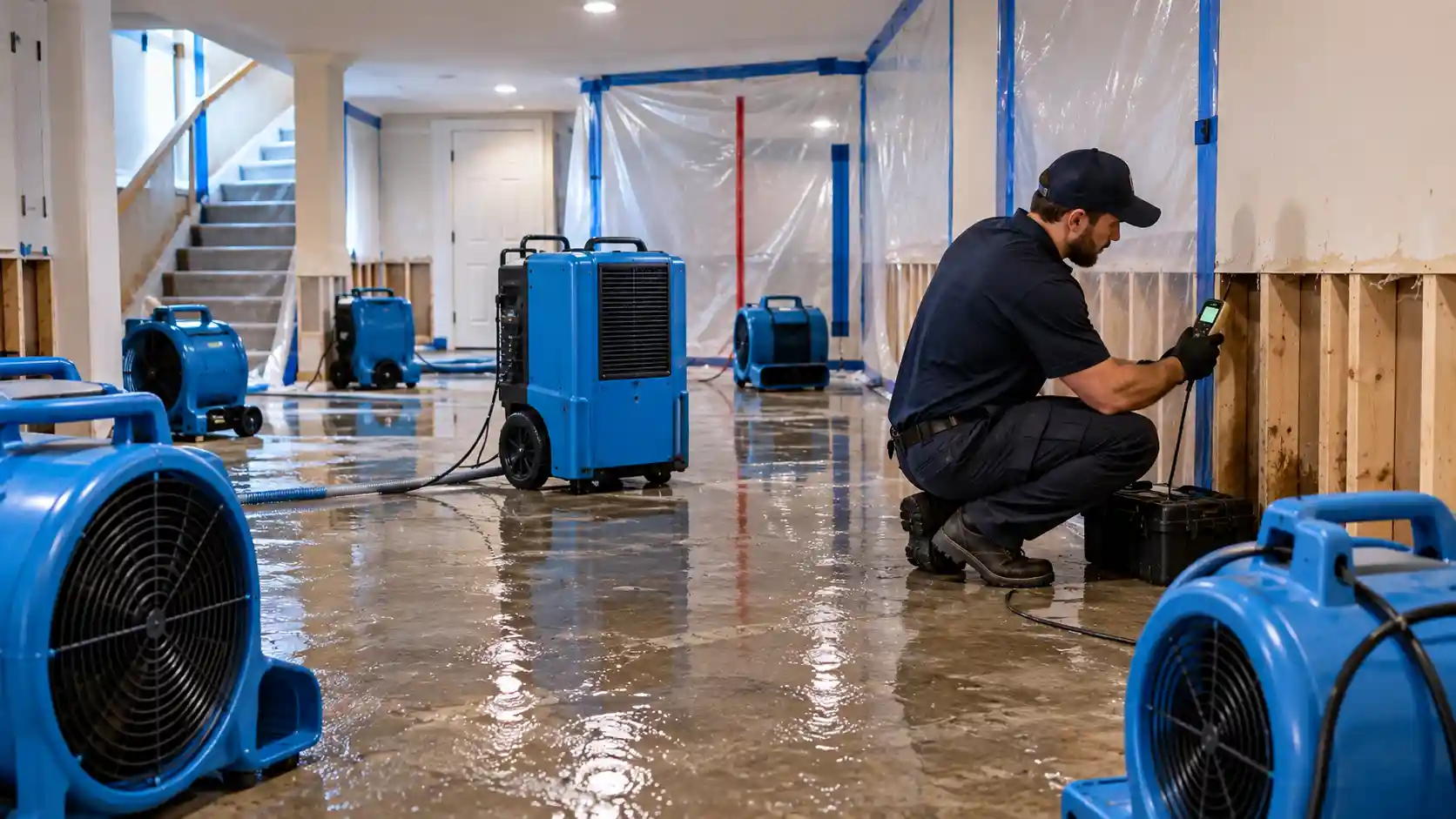
Immediate structural stabilization, containment barriers, and rapid dehumidification to stop water migration and cut total restoration cost.
View Details →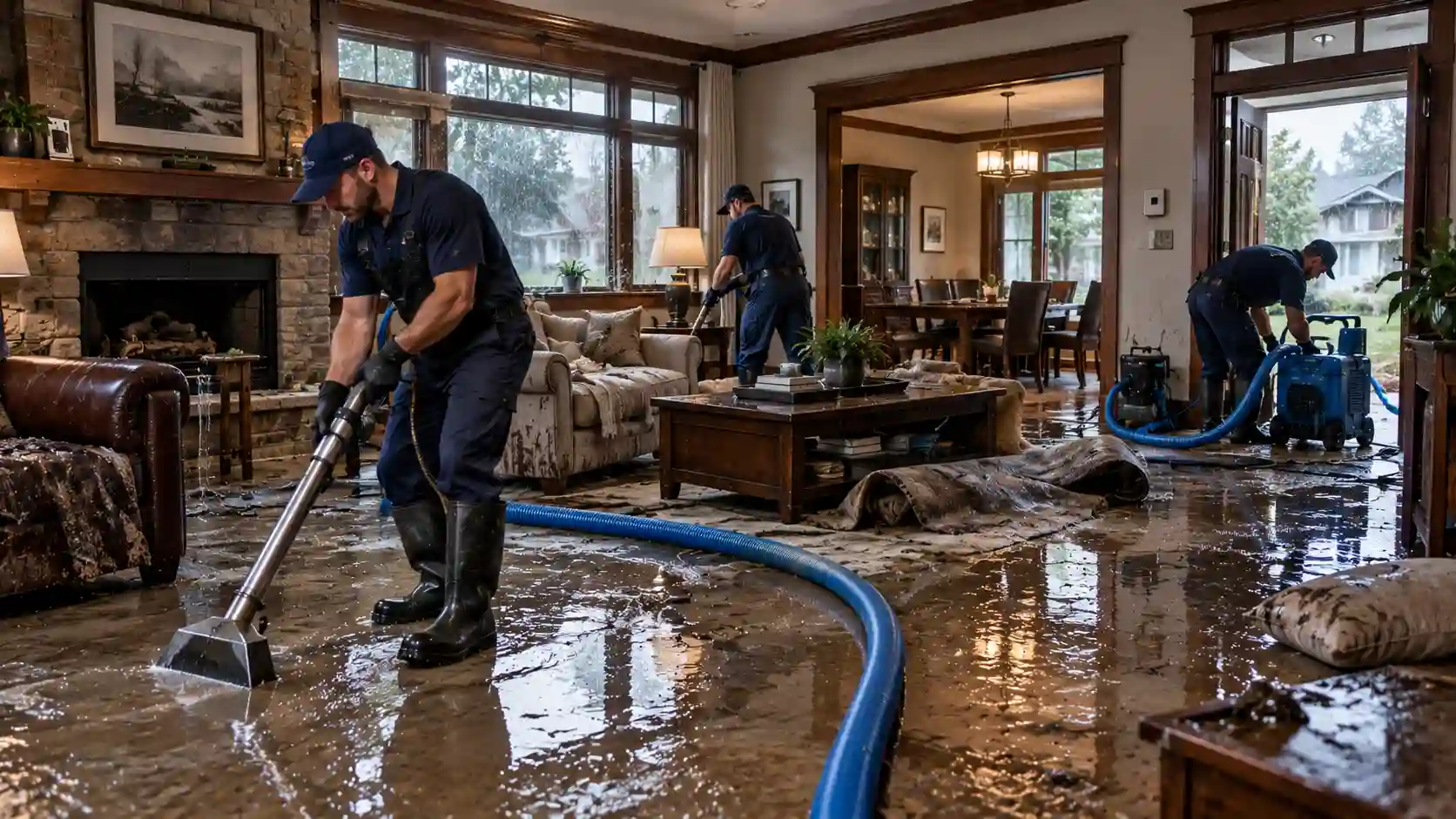
Full recovery from storm surges, groundwater intrusion, and atmospheric river flooding with deep sanitization.
View Details →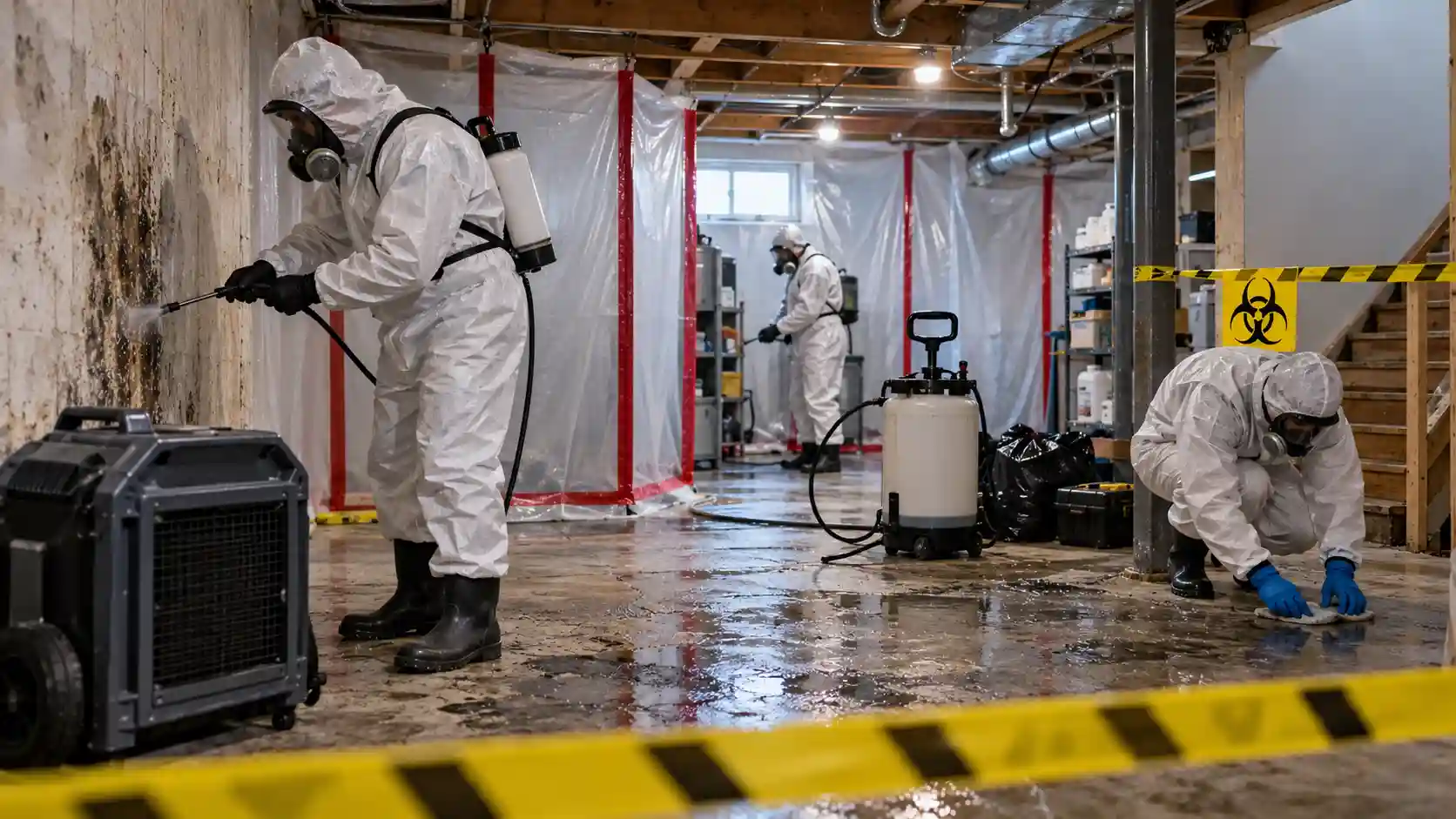
Safe Category 3 black-water removal, biohazard containment, and hospital-grade disinfection to strict EPA standards.
View Details →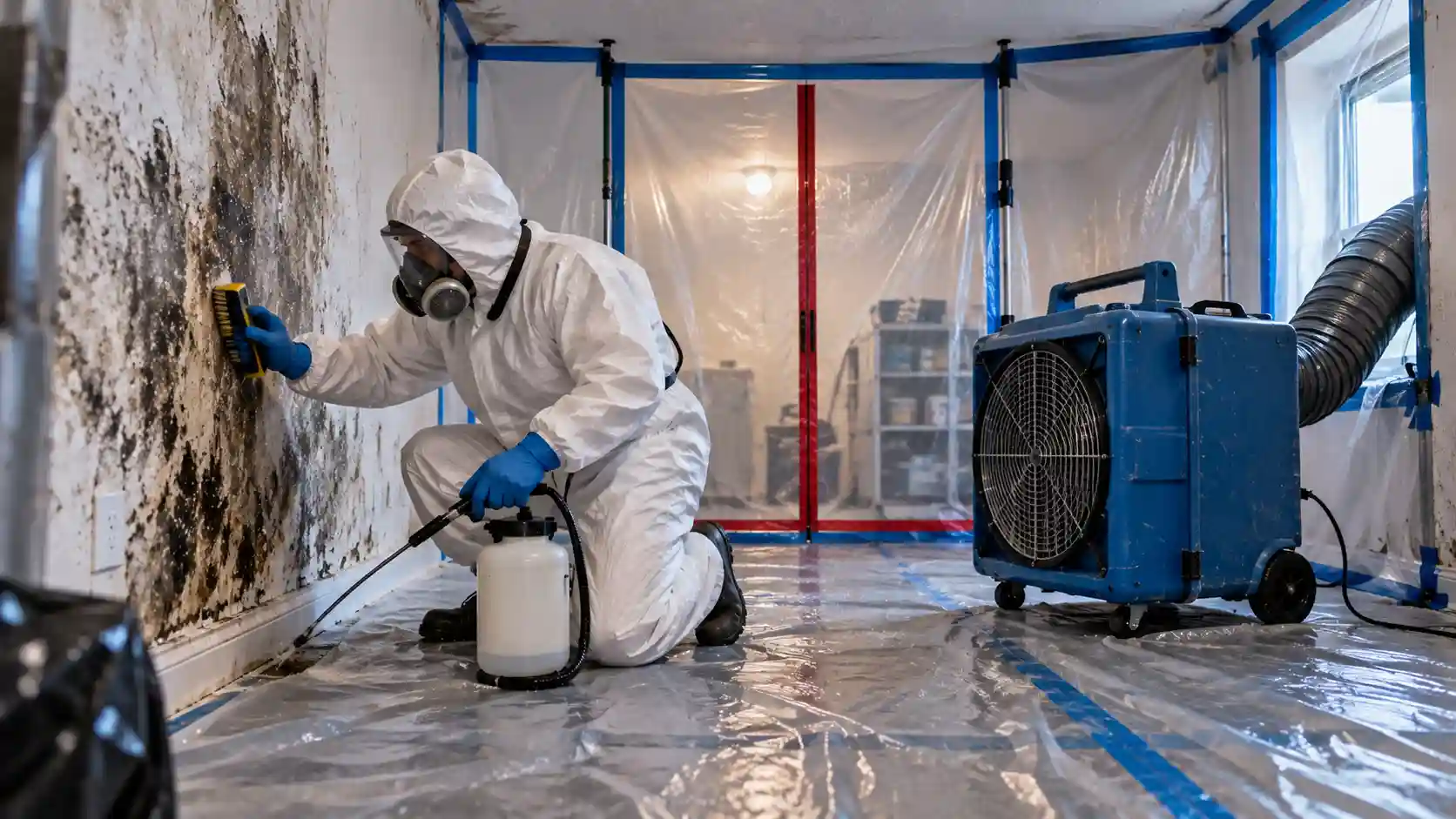
Comprehensive mold inspection, negative-air containment chambers, HEPA filtration, safe removal, and clearance verification.
View Details →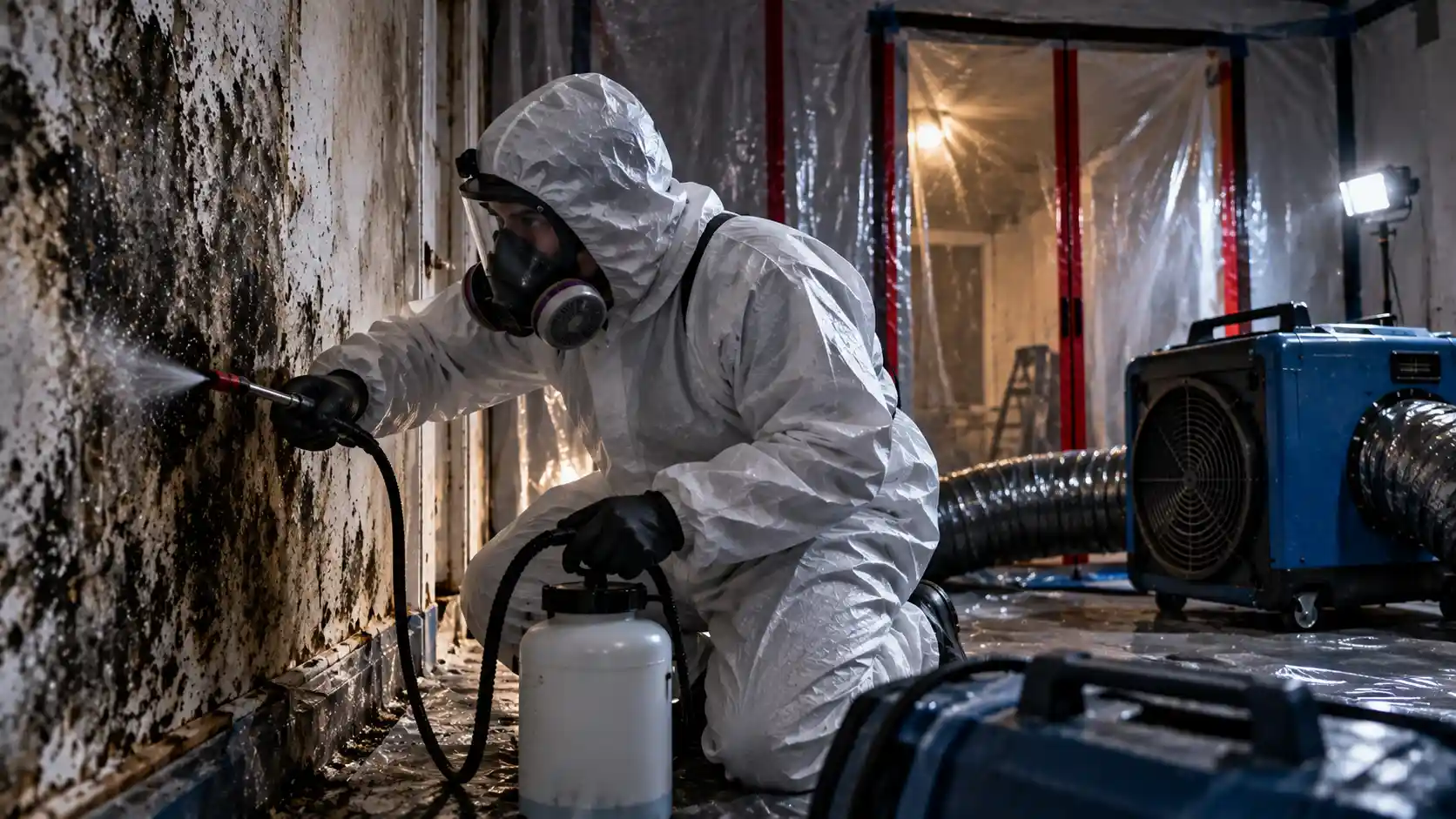
Safe elimination of toxic black mold using strict negative-pressure containment and hospital-grade antimicrobial agents.
View Details →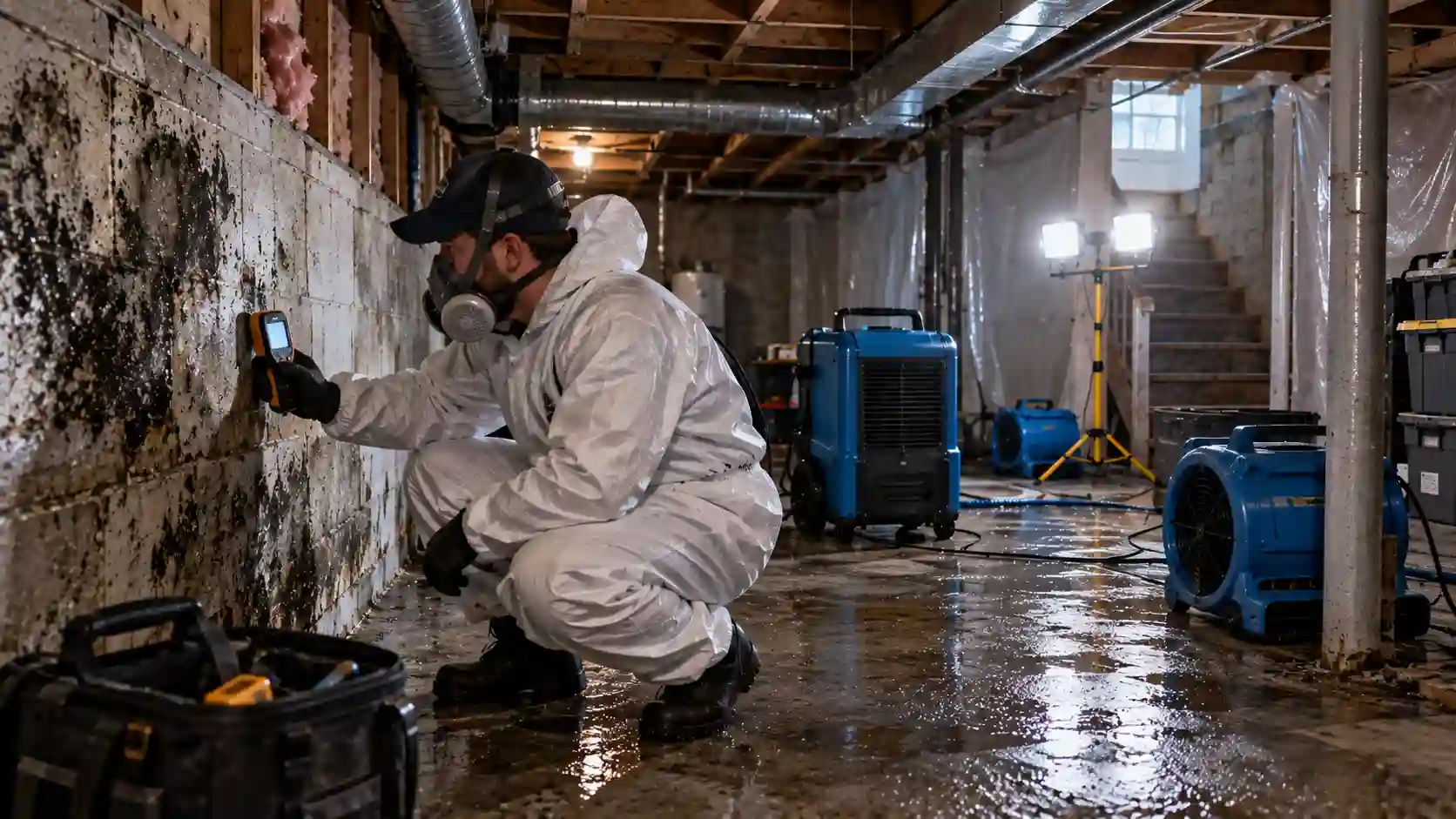
Targeted remediation for Seattle's damp, moisture-prone basements, subfloors, and crawl space foundations.
View Details →
Emergency board-up, structural stabilization, firefighting water extraction, soot cleanup, and complete reconstruction.
View Details →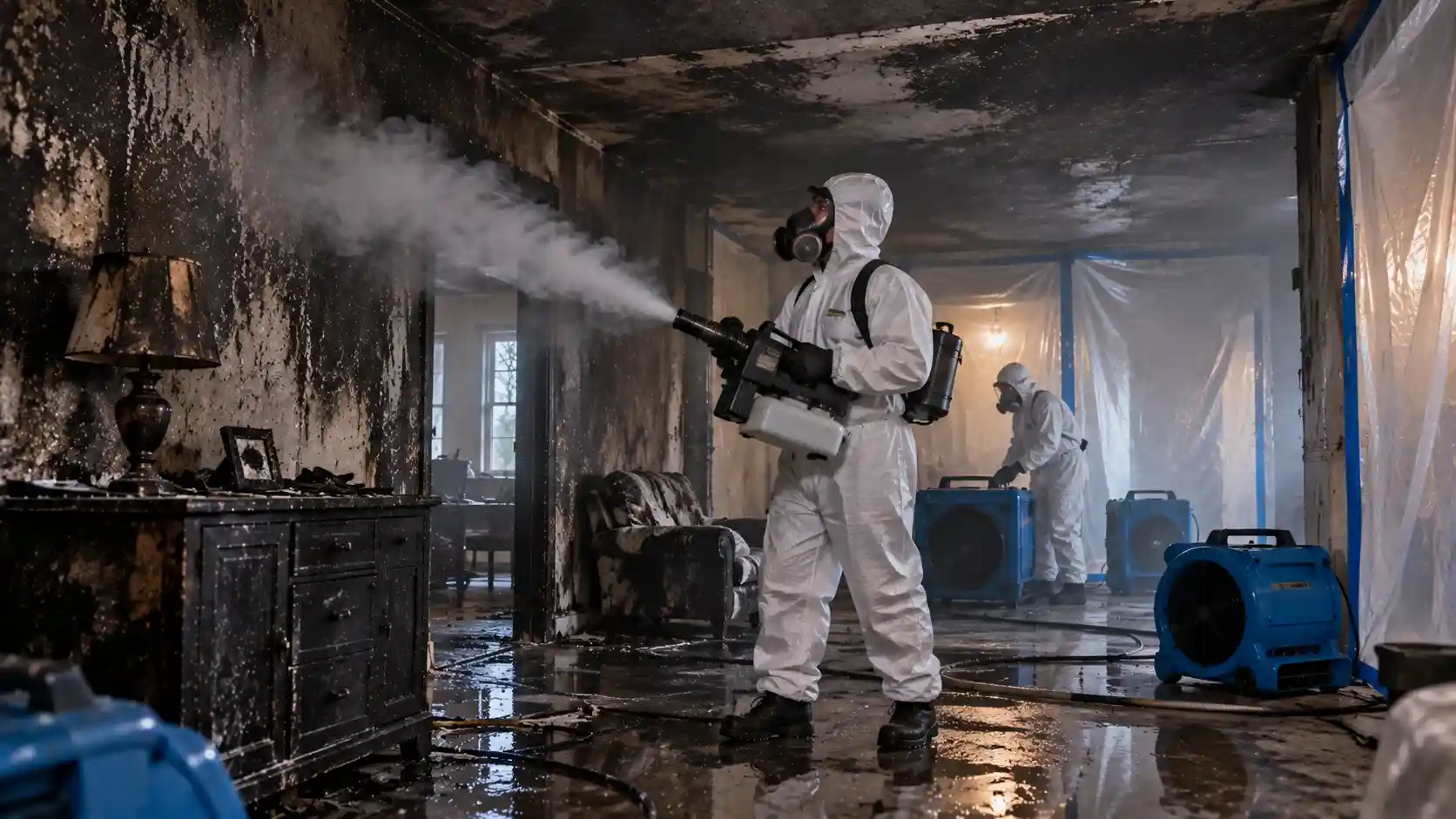
Deep soot removal, ultrasonic content cleaning, and thermal fogging / hydroxyl generator molecular odor neutralization.
View Details →Get a certified crew on-site in 30 minutes.
RapidDry crews respond in 30 minutes across the entire metro. Find your neighborhood below.
30-minute fire damage restoration for Ballard homes & businesses
Fire cleanup & reconstruction across Capitol Hill
Emergency fire restoration in Queen Anne
Board-up to rebuild in West Seattle
Certified fire restoration for Fremont
Fire damage cleanup in Green Lake
Commercial fire restoration downtown
Fire damage restoration in SLU
Fire restoration for Beacon Hill homes
Fire cleanup across Columbia City
Certified fire crews in Rainier Valley
Commercial & home fire restoration in Georgetown
30-minute fire response in Leschi
Fire damage restoration for Magnolia
Fire restoration in the U-District
Certified fire restoration in Wallingford
Don't see your neighborhood? Call (206) 555-0199 — if it's in Seattle, we're on our way.
It's the complete process of returning a property to pre-loss condition after a fire — emergency board-up, water extraction, debris removal, structural cleaning, sanitization, contents restoration, and full reconstruction, plus insurance documentation. It's far more than cleanup and repainting.
As soon as the property is cleared as safe. Fire damage keeps worsening after the flames are out — acidic soot corrodes, water saturates, and mold starts within 24–48 hours. RapidDry responds in 30 minutes, 24/7/365.
Wait for safety clearance, call your insurer, and call a certified restoration company. Don't re-enter, don't scrub soot, don't run the HVAC, and don't throw anything away — insurers need to document damaged items first.
Minor smoke damage takes days to 2 weeks; moderate fire damage 2–8 weeks; severe structural damage several months. Emergency stabilization begins within hours. We give you a clear timeline after inspection.
Minor cleanup runs $2,000–$5,000, moderate damage $5,000–$25,000, and severe fires with reconstruction $25,000–$100,000+. Cost depends on severity, water damage, and rebuild scope. We provide a free written, itemized estimate.
Most Washington policies cover sudden, accidental fire damage — structure, contents, smoke, firefighting water, and additional living expenses. We document everything and bill your insurer directly.
Flame and char, heat and warping, ash and debris, firefighting water damage, hidden structural damage, and smoke/soot/odor. A complete restoration addresses every layer, in the right sequence.
Firefighting uses thousands of gallons that saturate framing, insulation, and flooring. In Seattle's damp climate this becomes the leading cause of post-fire mold and structural rot if not extracted and dried fast.
Often, yes. Metals, glass, hardwood furniture, electronics, documents, and clothing can frequently be cleaned and restored with specialized methods. Don't discard anything until it's assessed and documented for your claim.
Yes. Even a small kitchen fire spreads soot and odor through the whole home and leaves firefighting water behind. A professional assessment catches contamination and hidden damage a visual check misses.
Fire damage is the direct effect of flames and heat — burned, charred, structurally compromised materials. Smoke damage is the soot and odor that travel far beyond the fire, settling on surfaces and embedding in porous materials and HVAC systems (covered in depth on our Smoke & Soot page).
Yes. RapidDry handles every phase in-house — emergency board-up, water extraction, cleaning, contents restoration, and full reconstruction — with one project manager and no subcontractor handoffs.
Yes — 24/7/365 with a guaranteed 30-minute on-site arrival across the Seattle core, Eastside, North Metro, and South Metro.
Still unsure?
Template section. No new award name is claimed in this section. Real award names still need owner confirmation.
Washington contractor licence as stated on current site pages.
IICRC-certified firm as stated on current site pages.
Certified restoration crews as stated on current site pages.
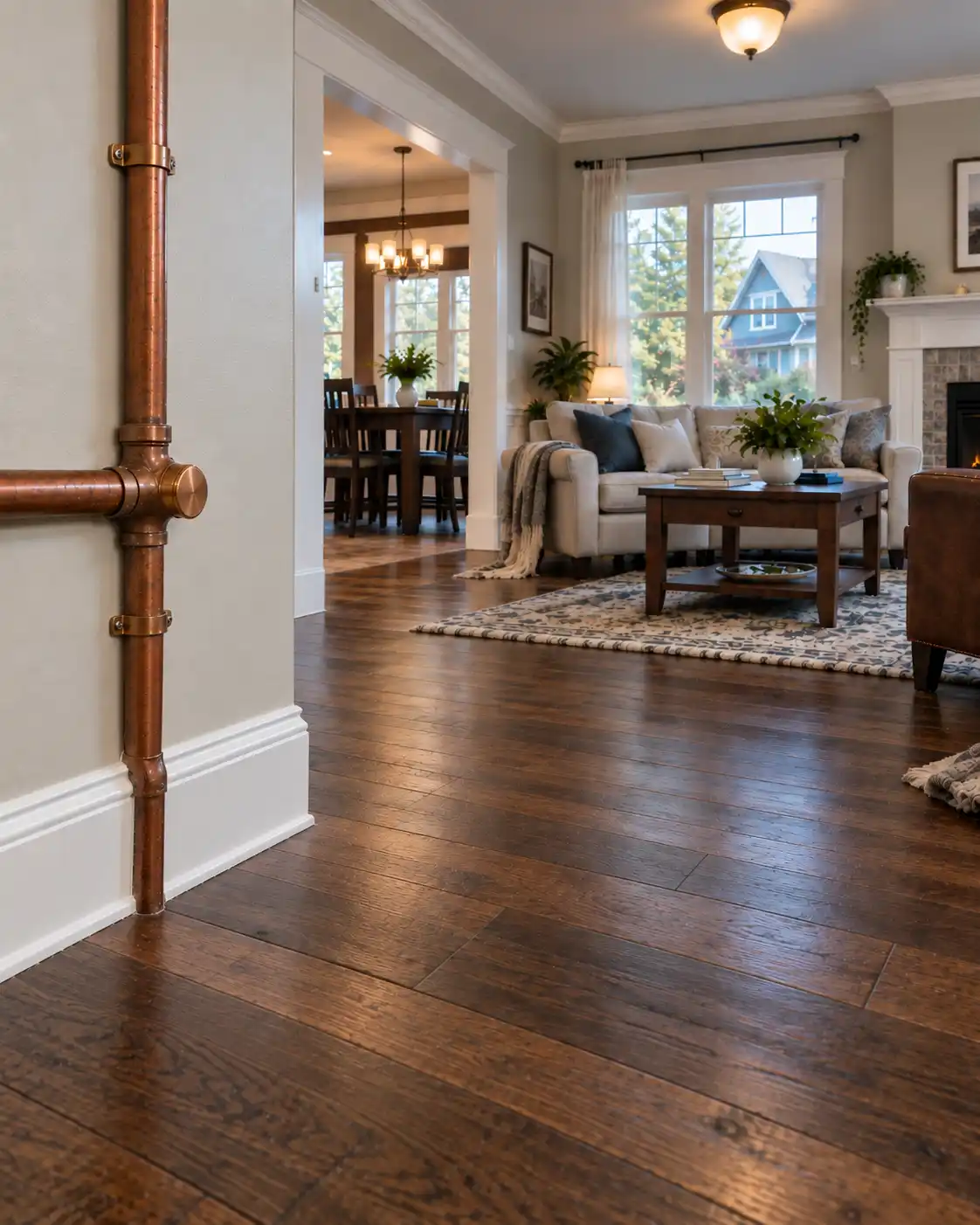
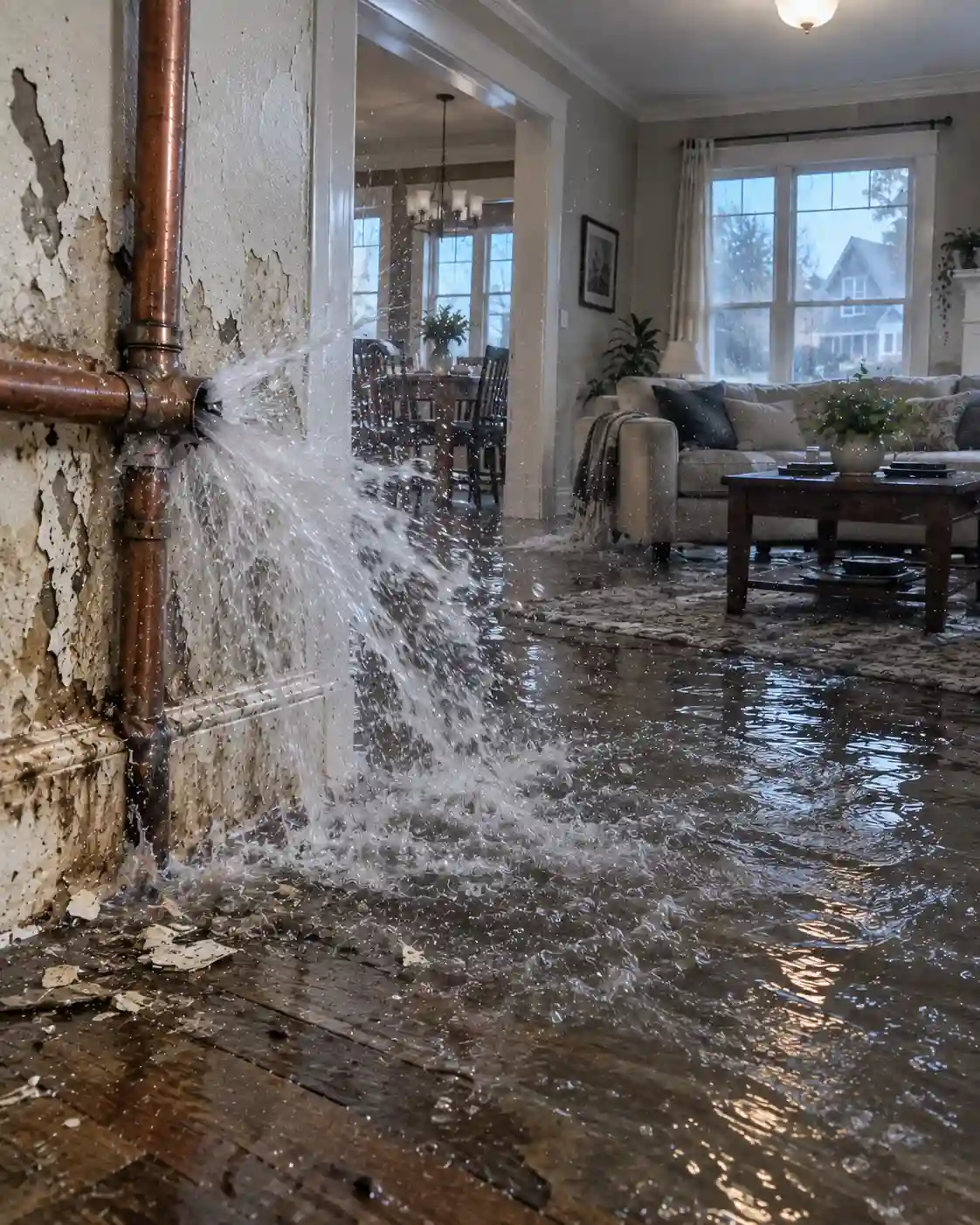
Template section. Images below are the homepage Before/After sets 1 and 2 only. No new jobs are shown.
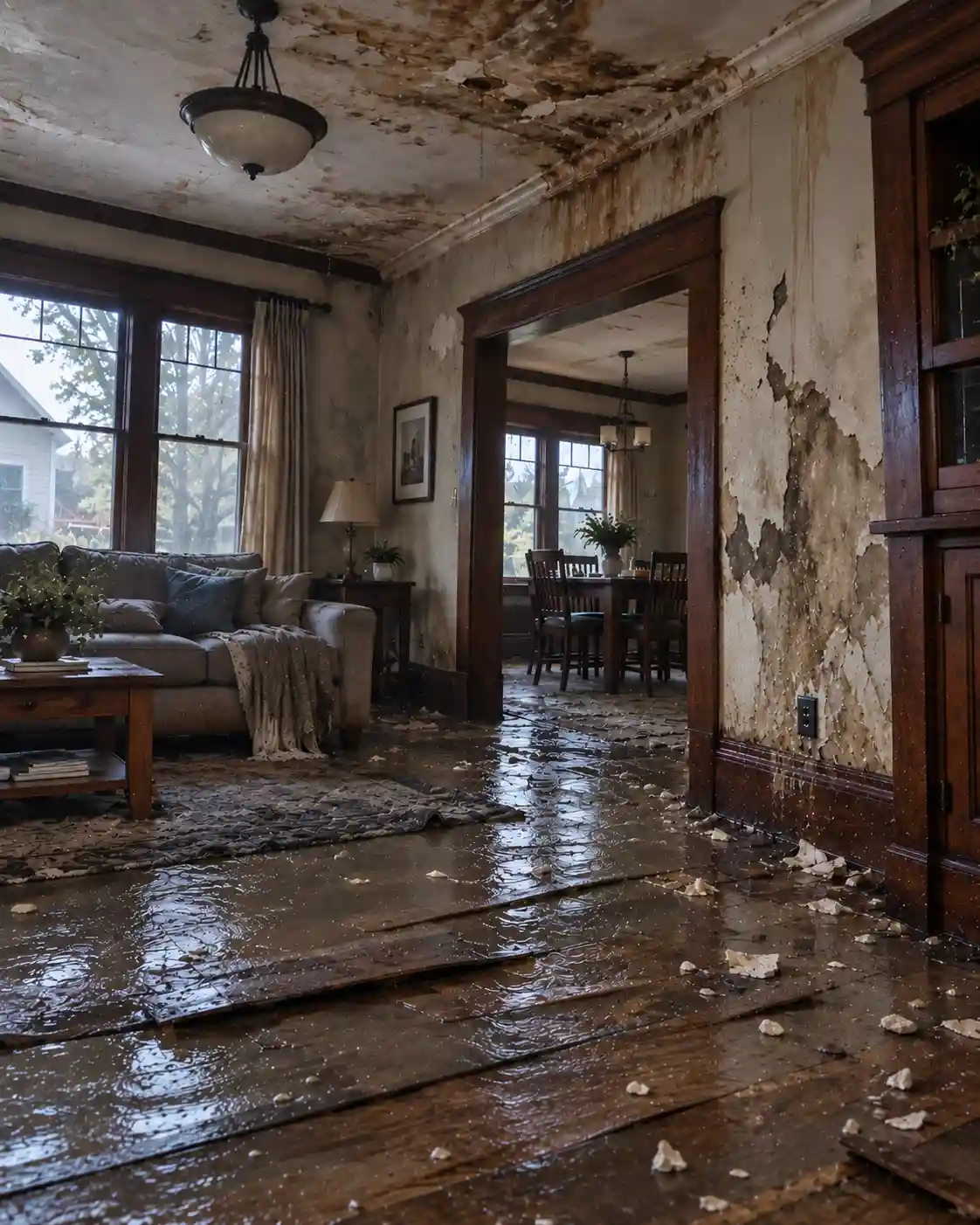
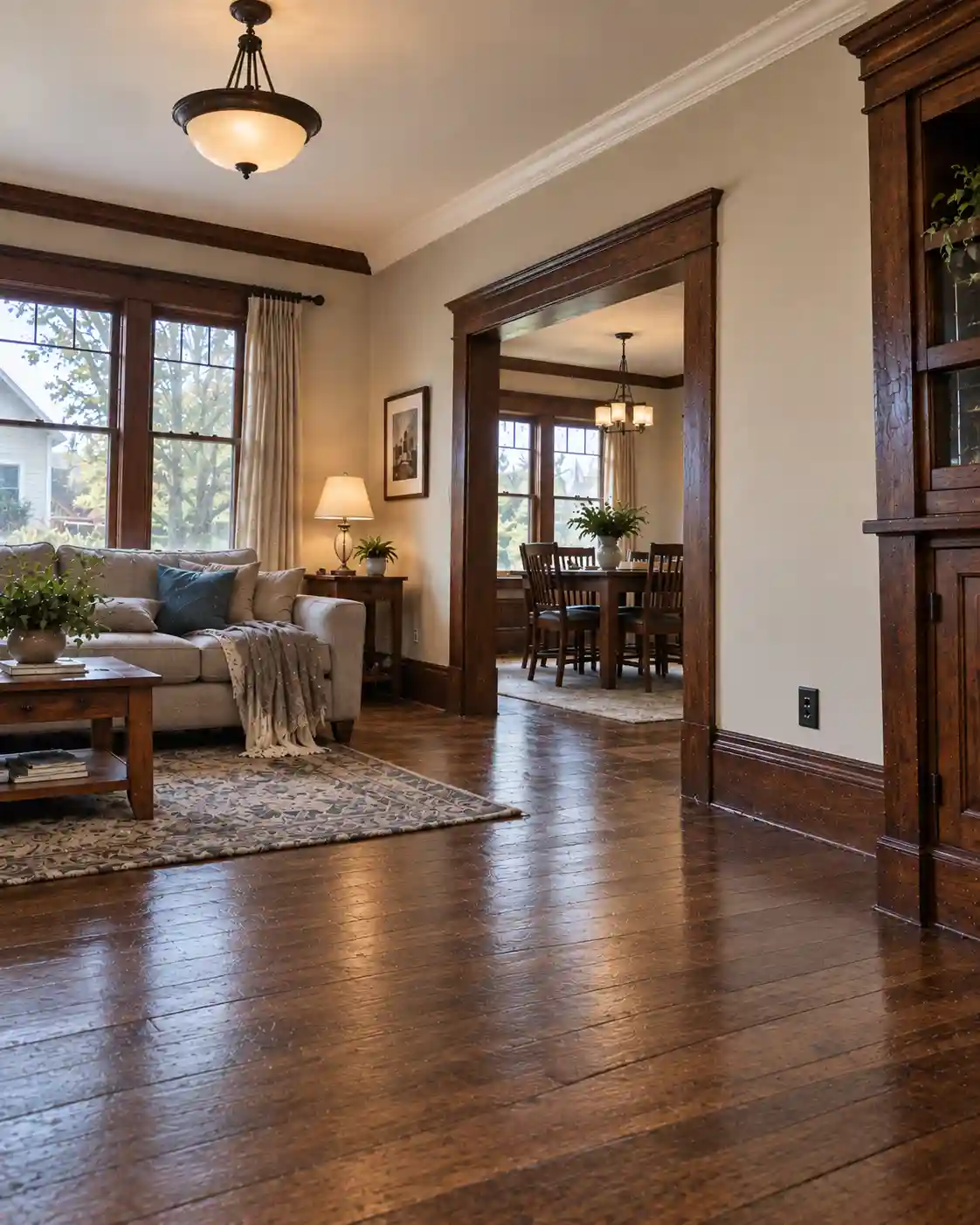
A fire is overwhelming — but you don't have to figure it all out before you call. Our IICRC-certified crews are standing by 24/7 with a guaranteed 30-minute response, free on-site inspection, board-up to full reconstruction, insurance advocacy, and direct billing. One team, from the first hour to the final nail.